The Seine at Vétheuil by Claude Monet
Claude Monet's 'The Seine at Vétheuil,' painted in 1880, captures a specific atmospheric moment near the village where the artist lived. This oil painting, now at a major museum, exemplifies his dedication to capturing the subtle variations of nature, especially light and reflection.
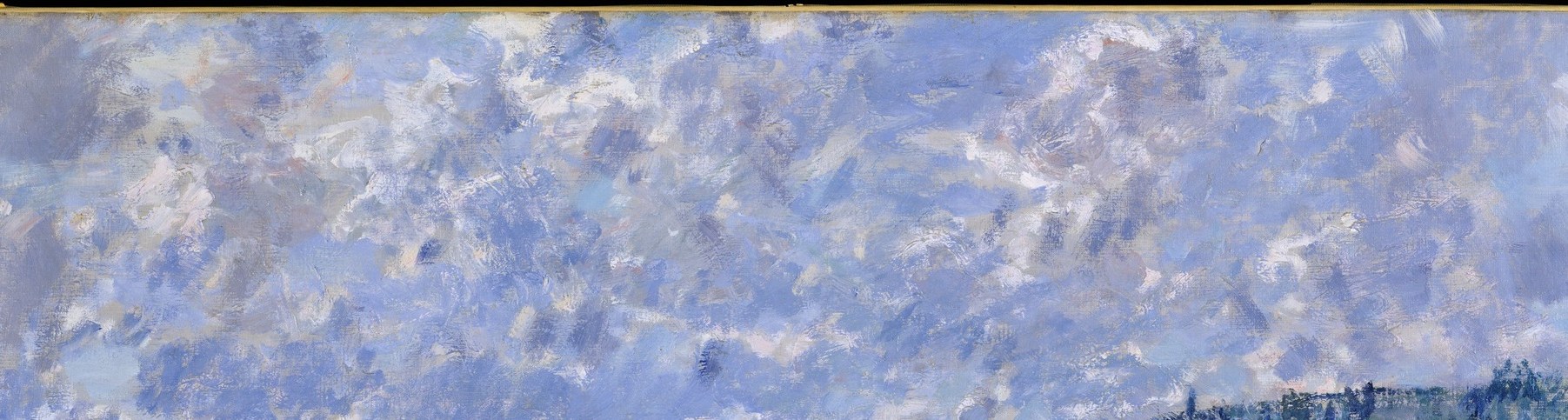
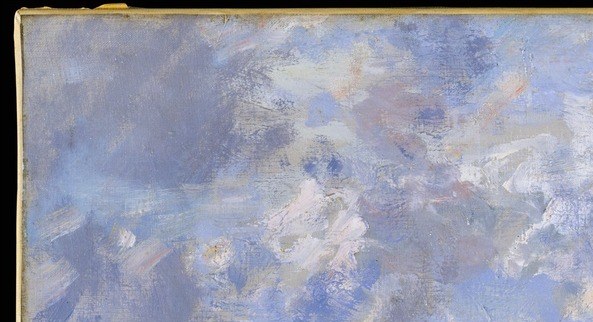
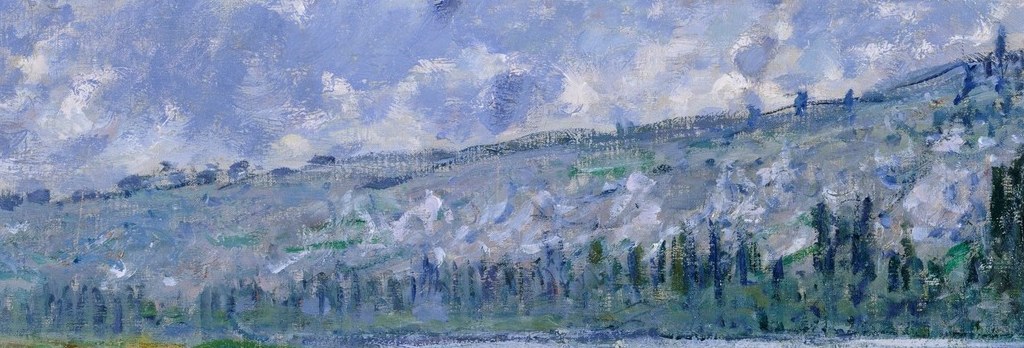
Notice the heavy overcast clouds that dominate the upper sky, creating the diffuse, shadowless light that Monet meticulously chased. His technique is evident in the thick, textured brushstrokes, particularly on the water's surface, where he decomposed shimmering light into dozens of distinct hues.
Monet resided in Vétheuil from 1878 to 1883, constantly returning to the Seine as a motif. This period was crucial for refining his Impressionist approach, focusing on how light behaves differently when reflected versus direct.
This painting isn't just a landscape; it's a scientific inquiry into light, demonstrating Monet's innovative vision.
Details


Transcript
Monet painted this landscape in 1880, at Vétheuil. He lived in this village and painted the Seine constantly. Notice how the clouds fill the sky, pressing down low. This creates the diffuse, shadowless light he sought. Look at the water, painted with thick, textured strokes. The heavy impasto captures light shimmering on slow water. It shows how he broke light into dozens of hues.