Portrait of a Lady by Maes, Nicolaes
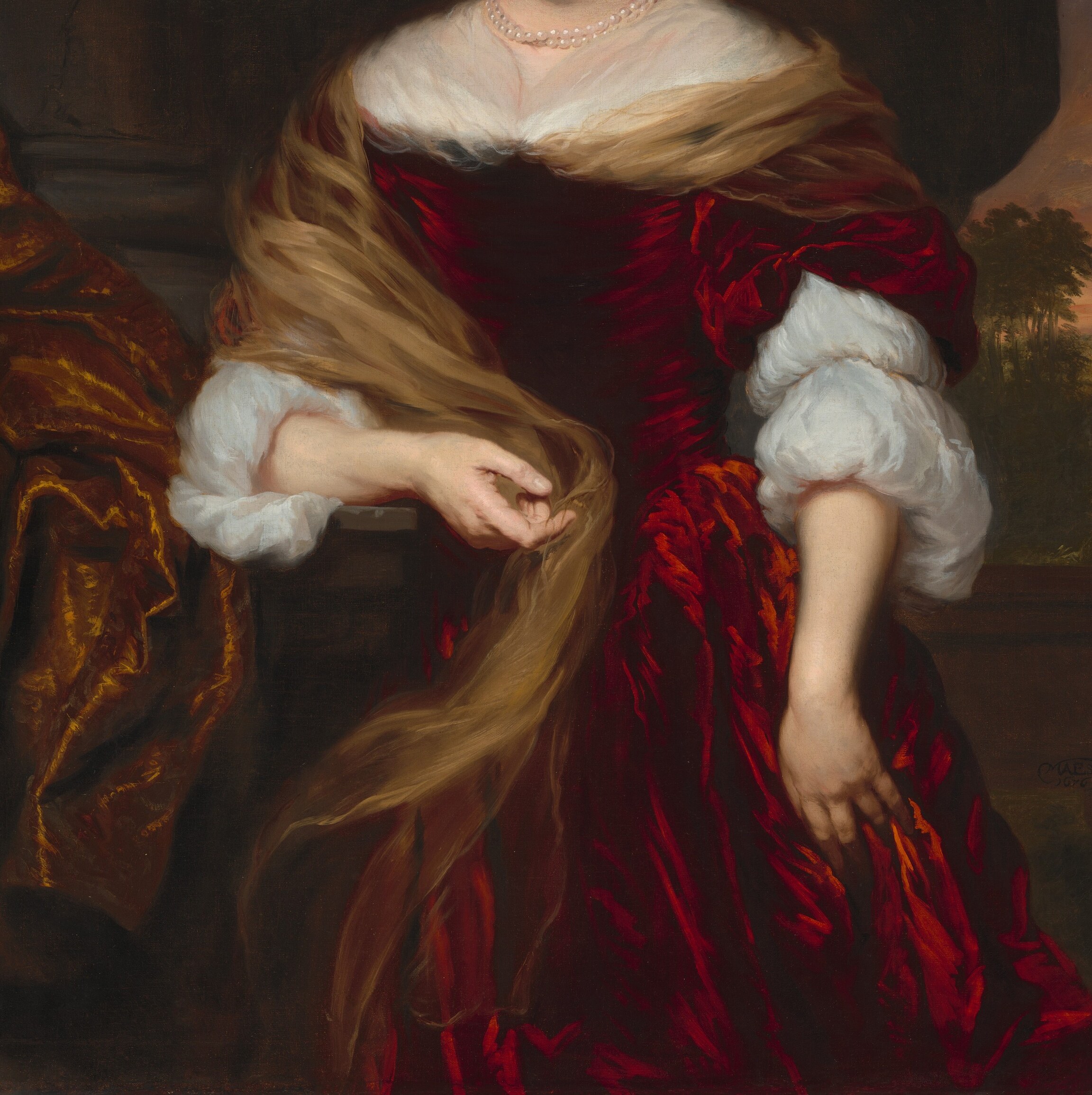
Nicolaes Maes's *Portrait of a Lady*, painted in 1676, is a superb example of Dutch Golden Age portraiture. Created in Amsterdam, where Maes, a pupil of Rembrandt, had become the leading portrait painter, it subtly communicates the sitter's wealth and status through carefully rendered details.
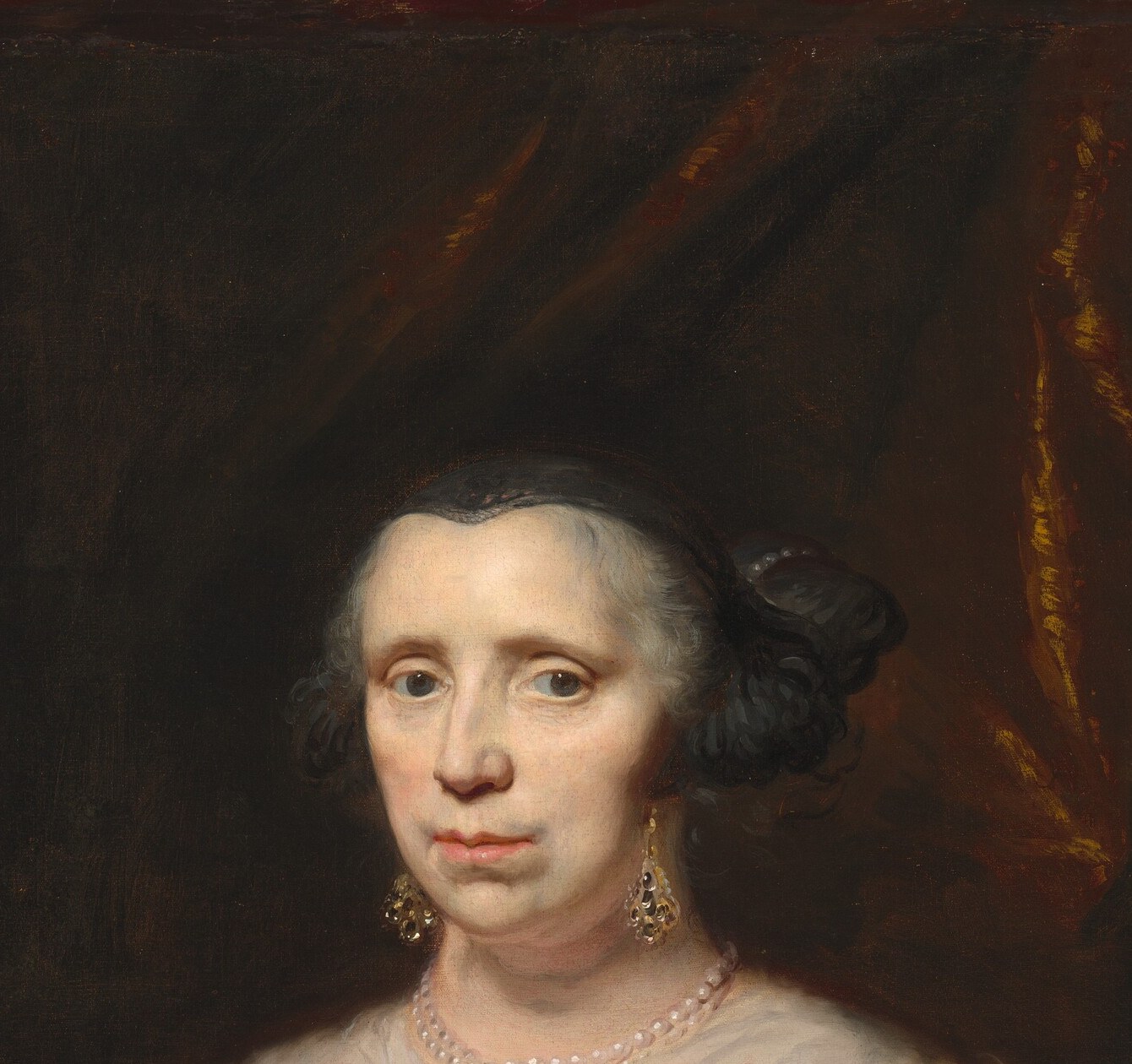
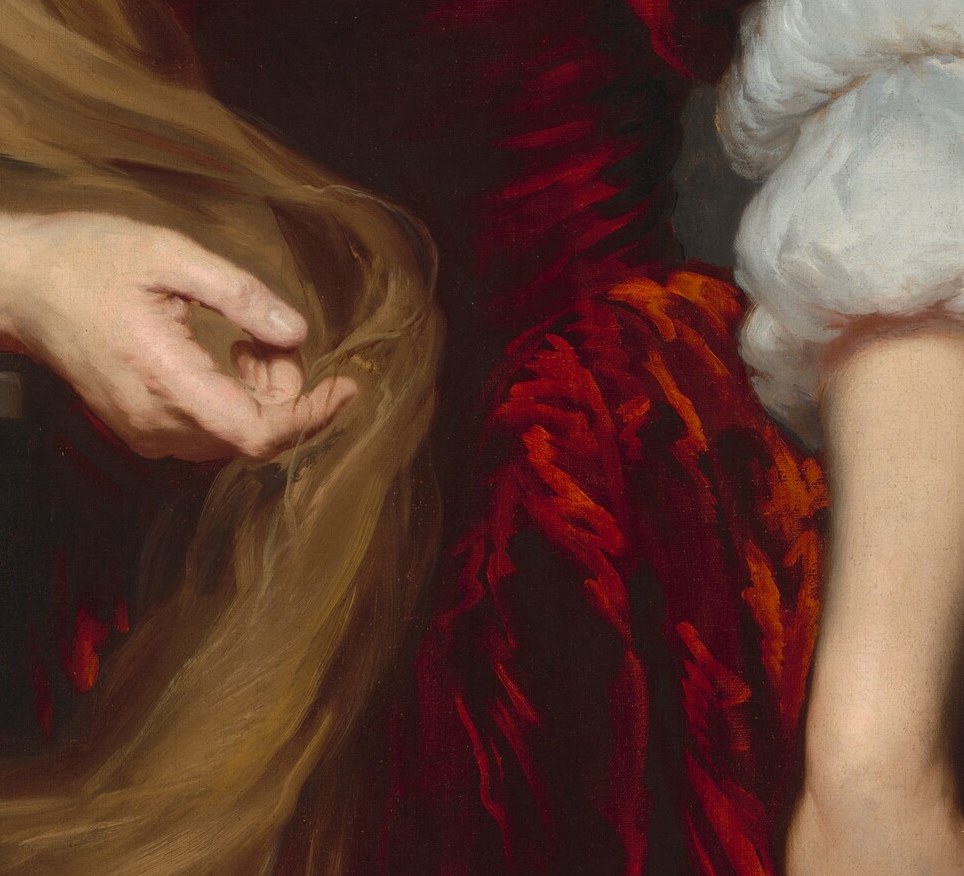
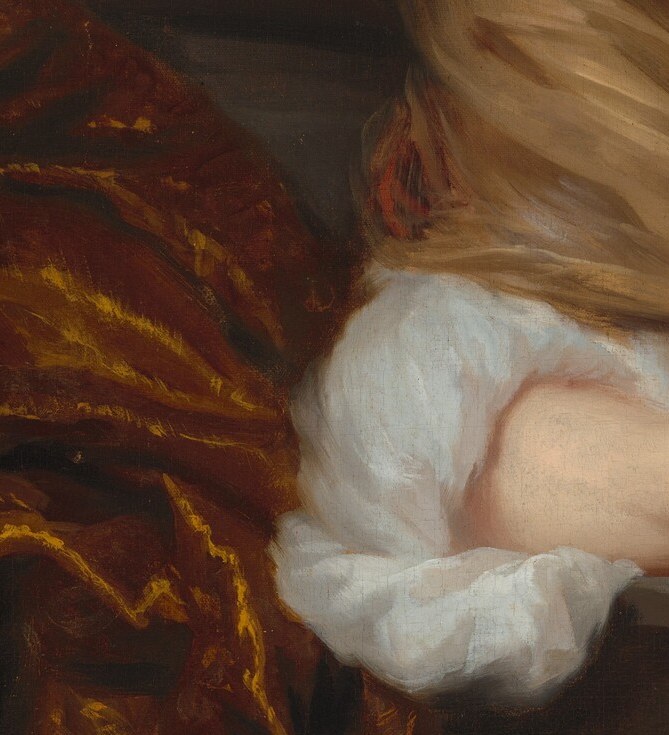
From the deep crimson velvet dress to the golden shawl, every element in the painting speaks to the sitter's affluent position. Even the small pearl earring was an exceptionally costly accessory in 17th-century Dutch society, reflecting the family's ability to commission such a prestigious work.
Maes's meticulous attention to texture, light, and individual character made him highly sought after. This portrait not only captures a likeness but also serves as a document of social standing, showcasing the painter's sophisticated technique and the sitter's refined taste.
What other hidden details do you notice that tell a story?
Details
Transcript
This woman's portrait, from 1676, cost a small fortune. Her deep crimson dress alone signalled immense wealth. The painter was Rembrandt’s pupil, and became Amsterdam's top portraitist. Her pearl earring was one of the costliest accessories of its time. These details declared the sitter's status and the painting's value. They are painted with exquisite skill, a sign of the artist’s mastery.