The Parable of Lazarus and the Rich Man by Italian 17th Century
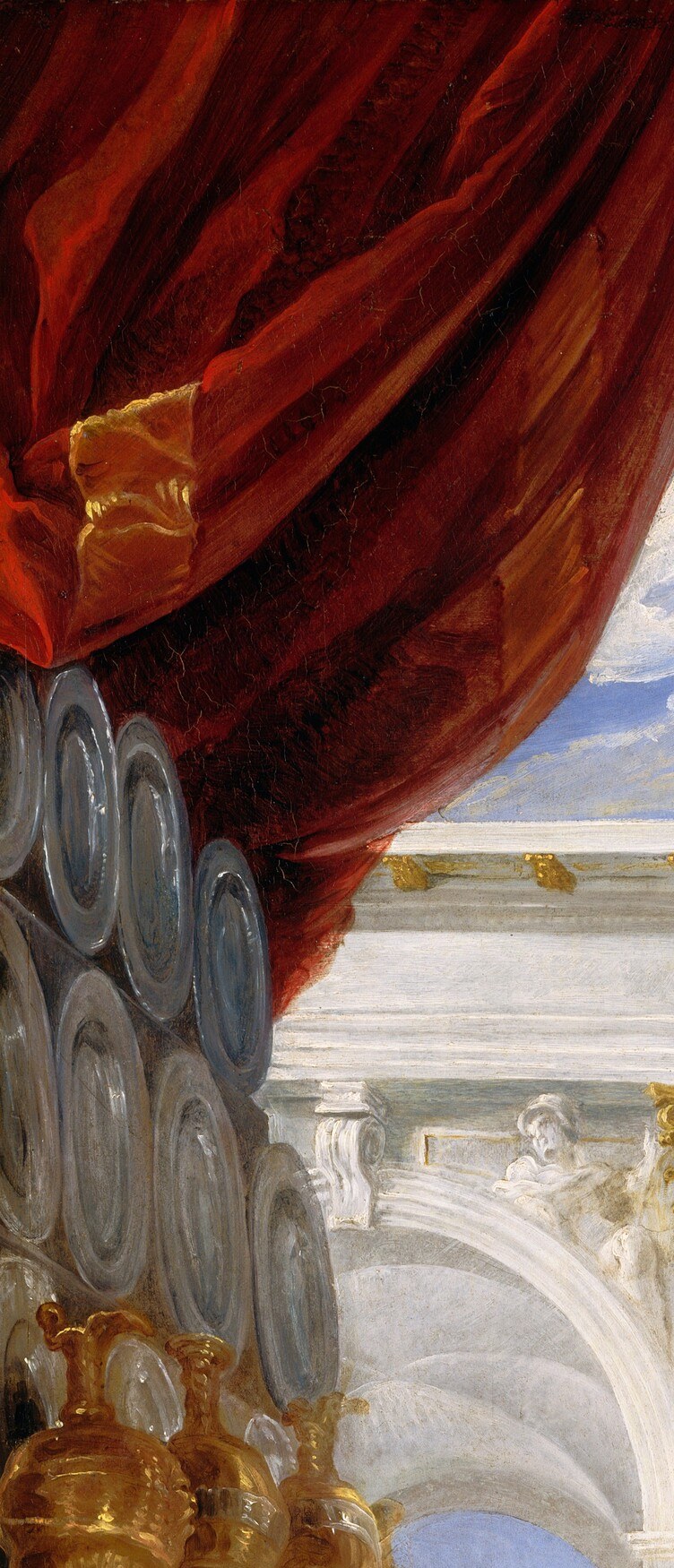
This powerful 17th-century oil painting, "The Parable of Lazarus and the Rich Man," created by an anonymous Italian artist between 1618 and 1628, uses dramatic contrasts of light and shadow, a technique known as chiaroscuro, to heighten its narrative tension. You can see this mastery at the Metropolitan Museum of Art.
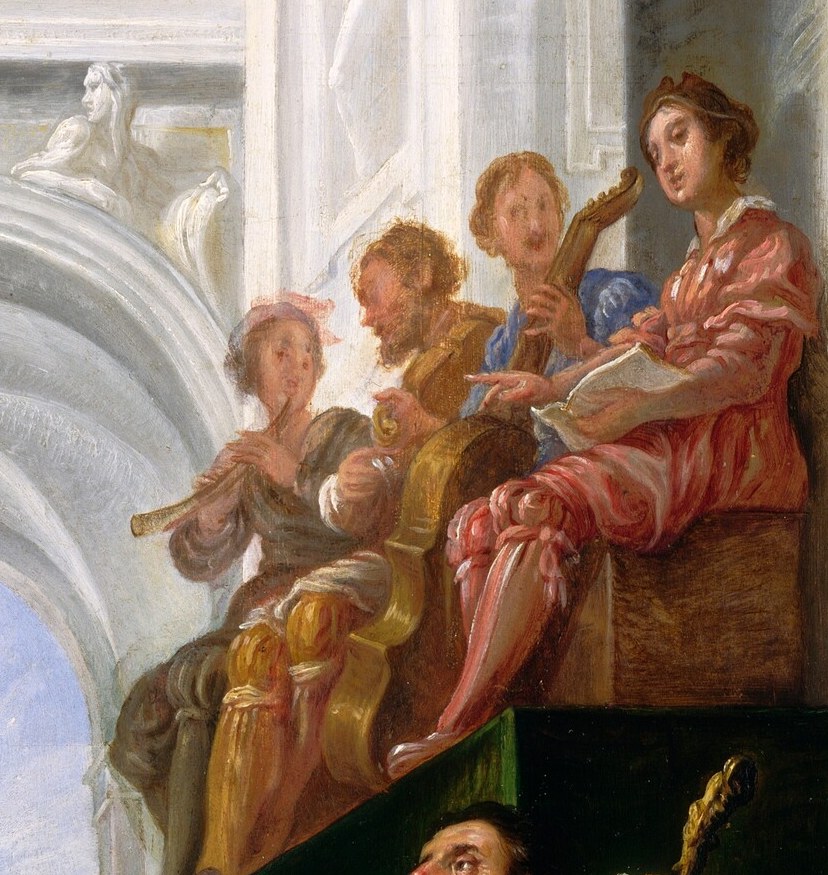
Notice how the artist directs your eye. Light illuminates key figures, like the woman in yellow and the rich man, making their faces glow. Other figures, like the musicians on the balcony, are almost lost in the deeper shadows.
This dramatic lighting technique was popular in the 17th century, enhancing the three-dimensionality of figures and allowing moral stories to resonate more deeply with audiences. The painting transforms a biblical allegory into a contemporary scene with fashionable attire and a festive atmosphere.
How does the interplay of light and shadow guide your interpretation of this ancient parable?
Details
Transcript
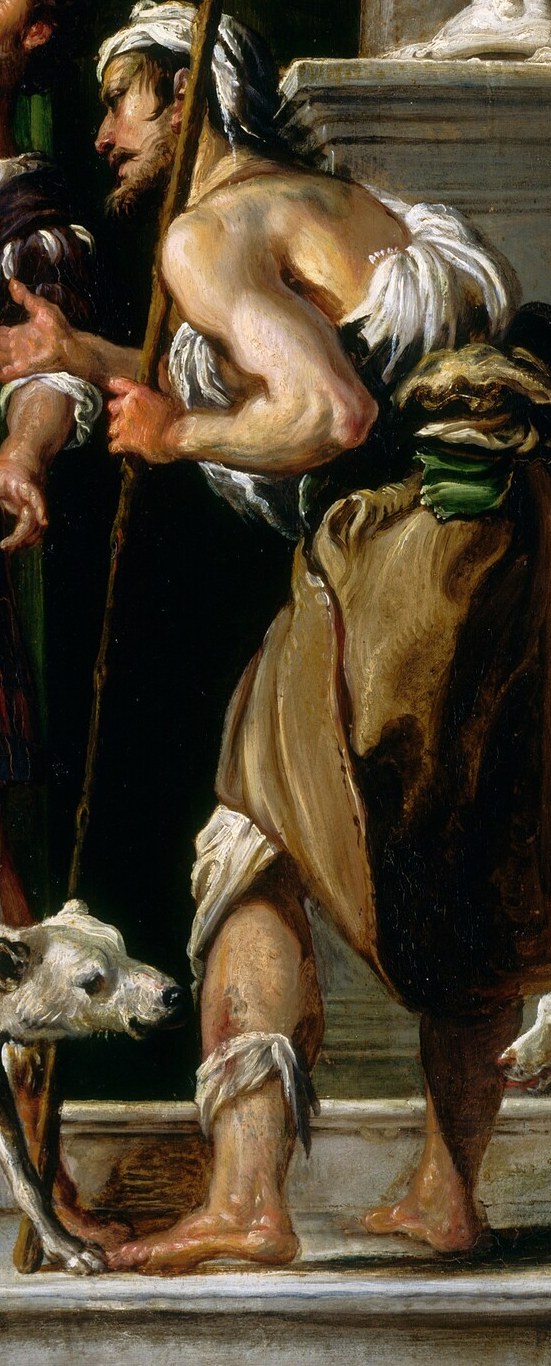
This 17th-century painter wanted to tell a story of contrast. He used light to create drama, a technique called chiaroscuro. See how light falls only on selected faces, making them luminous. Others recede into deep shadow, barely visible. The rich man's upturned face glows with an inner light. While the beggar in shadow reaches out for sustenance.