Portrait of Archduke Albert of Austria by Peter Paul Rubens
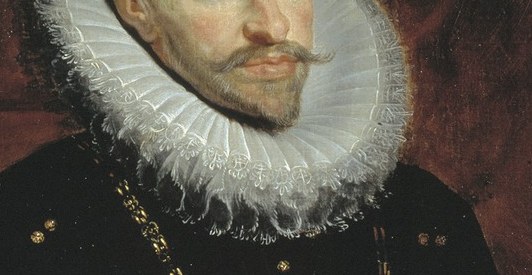
Peter Paul Rubens's "Portrait of Archduke Albert of Austria," painted in 1615, is a masterful depiction of power and status, now housed at the Museo del Prado.
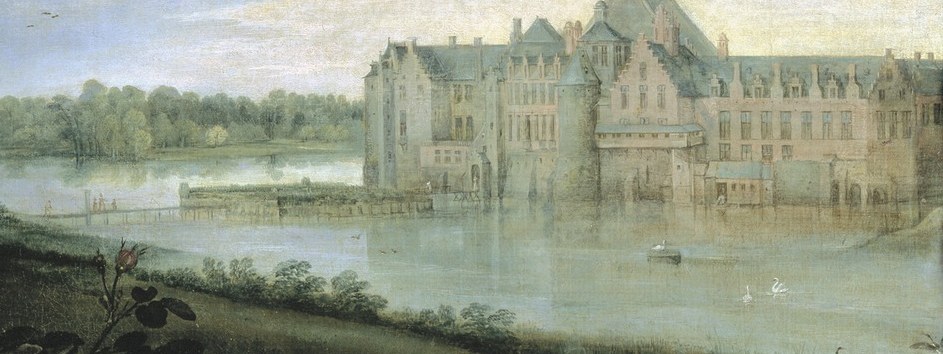
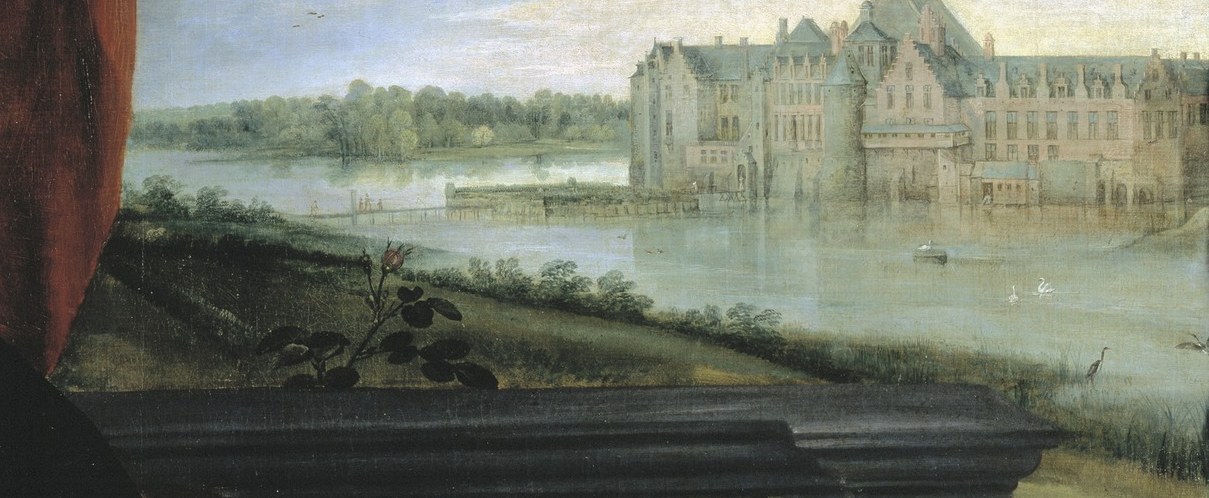
While the Archduke's formal attire, direct gaze, and the prestigious Golden Fleece insignia dominate the foreground, pay close attention to the background landscape. Rubens subtly includes elements of the natural world, from a serene lake and a distant palace to birds in the sky.
Most strikingly, a heron stands patiently on the shore, a small yet significant detail that offers a glimpse into the natural world beyond the courtly setting. This detail hints at a personal connection to nature, even for a figure of such high standing.
Rubens, a Flemish artist and diplomat, was known for his dramatic compositions and rich colors. This portrait, created during his diplomatic missions, effectively conveys authority while allowing for a quiet touch of realism. What details do you notice in the background?
Details
Transcript
This is Archduke Albert of Austria, painted by Rubens in 1615. His stern gaze and elaborate ruff show his power and status. He wears the insignia of the Golden Fleece, a prestigious order. But look at the quiet background, behind the grandeur. A serene lake, a distant palace, and birds in the sky. And a heron stands patiently on the shore. A subtle touch of the natural world, for a powerful ruler.