Sermon of Saint Albertus Magnus by Friedrich Walther
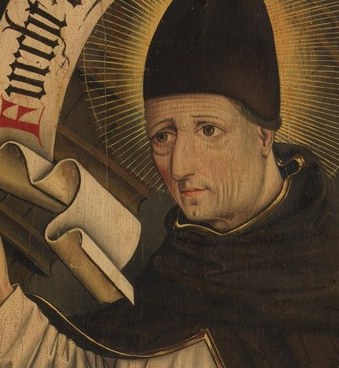
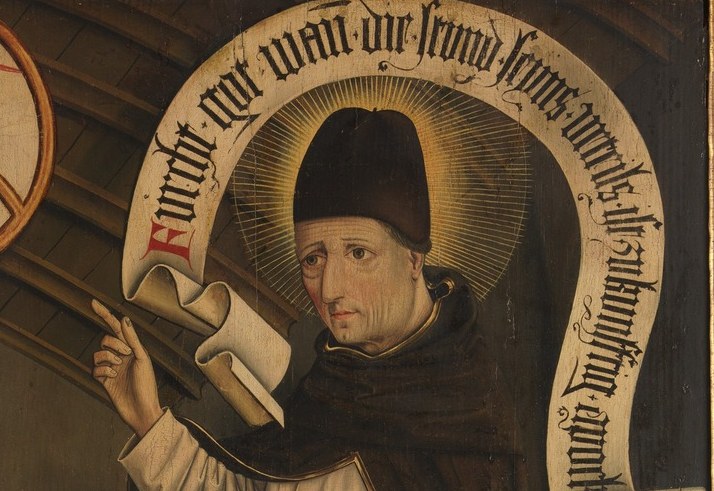
Friedrich Walther's Sermon of Saint Albertus Magnus, created circa 1430 and housed at The Metropolitan Museum of Art, stirred considerable controversy upon its debut. This panel painting depicts Saint Albertus Magnus delivering a sermon to a congregation, capturing a moment of intense spiritual engagement.
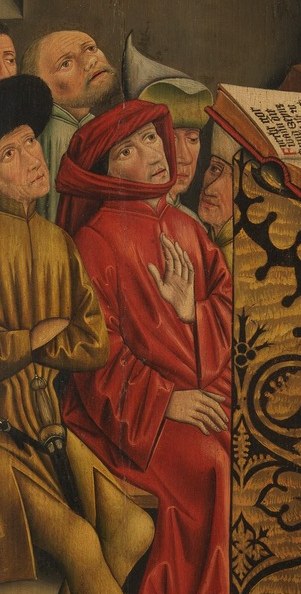
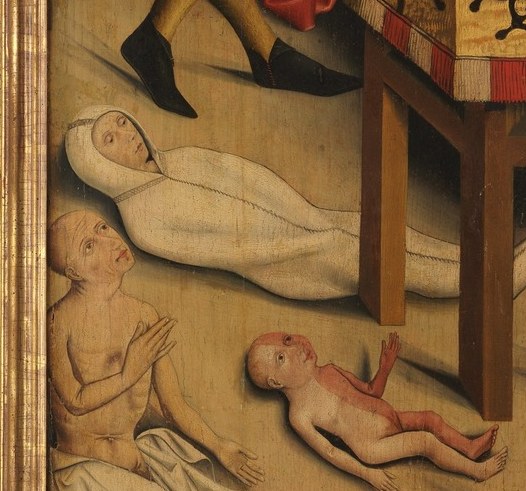
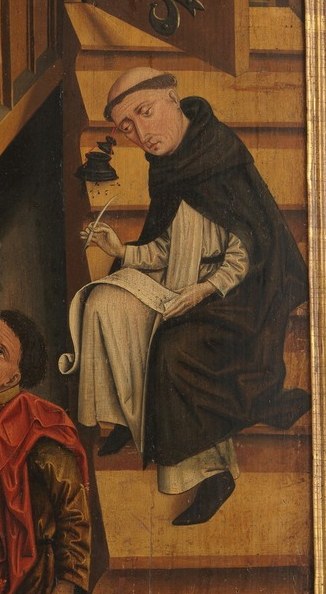
Observe the saint's authoritative yet compassionate demeanor, contrasted with the varied reactions of those around him. Note the figures representing sickness and devotion, and the monk diligently recording the sermon, all illuminated by dramatic chiaroscuro.
Despite its religious subject, the painting's realism and depiction of suffering generated outrage, leading to its rejection from a prominent exhibition. This controversy speaks to the era's sensitivities and the power of art to provoke strong reactions.
The painting remains a compelling testament to both spiritual fervor and the challenges artists faced.
Details
Transcript
He preaches from a carved wooden pulpit. Look at his calm, focused expression. Latin inscription above identifies the saint. A man in red listens with clasped hands. A figure in a shroud suggests illness or death. A monk diligently transcribes the sermon. This painting caused outrage at its debut. Friedrich Walther painted this in 1430.