The Adoration of the Child by Lippi, Filippino
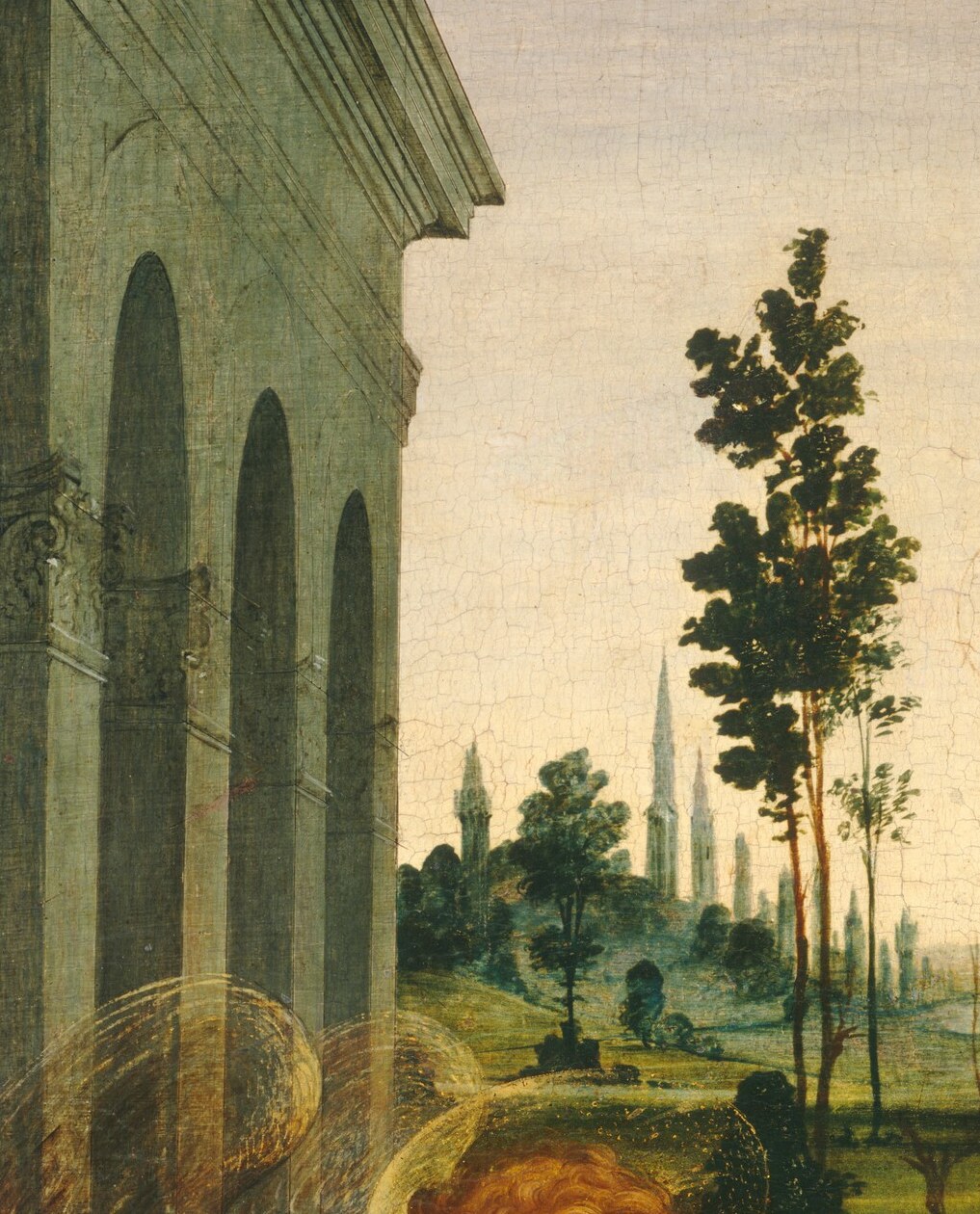
Filippino Lippi's *The Adoration of the Child*, painted around 1478, captures a profound moment of devotion. This oil on poplar panel, now in a private collection, showcases the Florentine artist's early mastery of religious narrative.
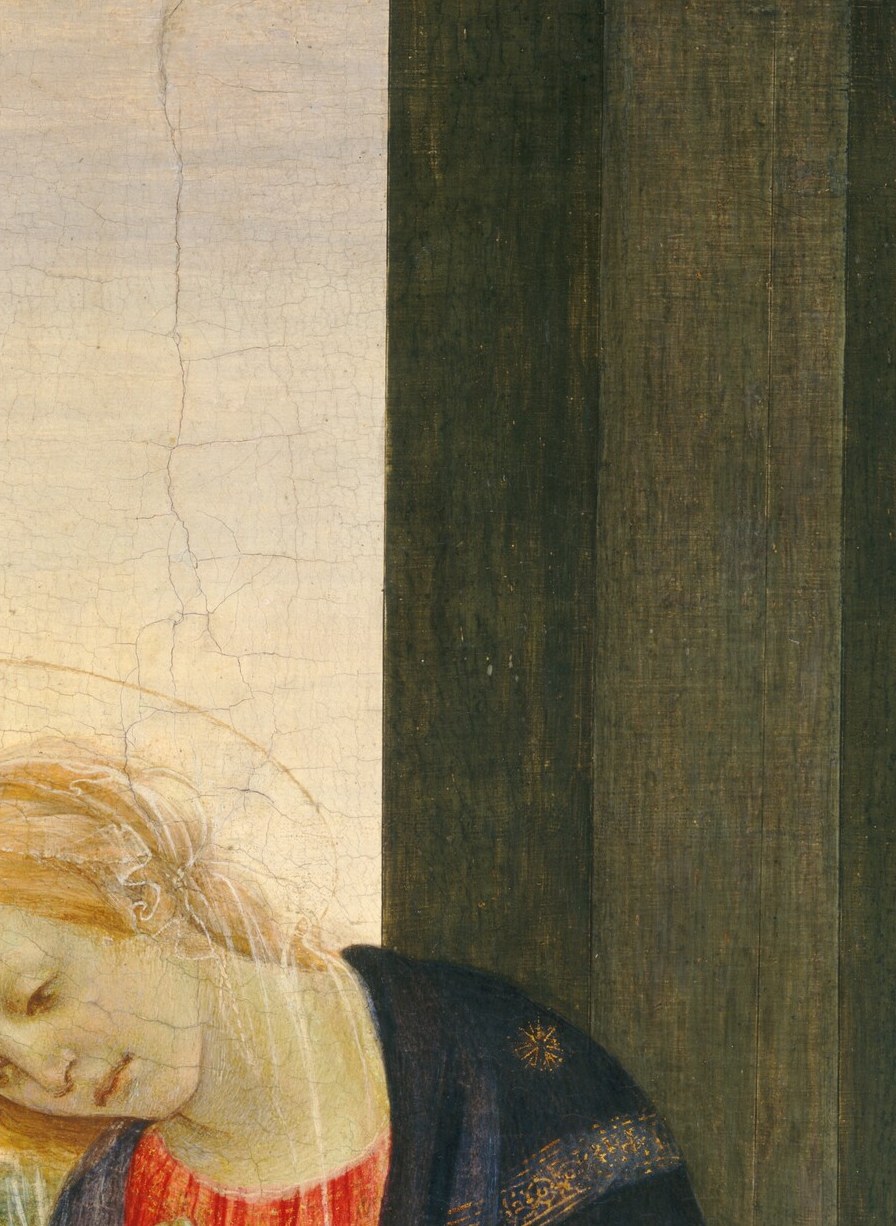
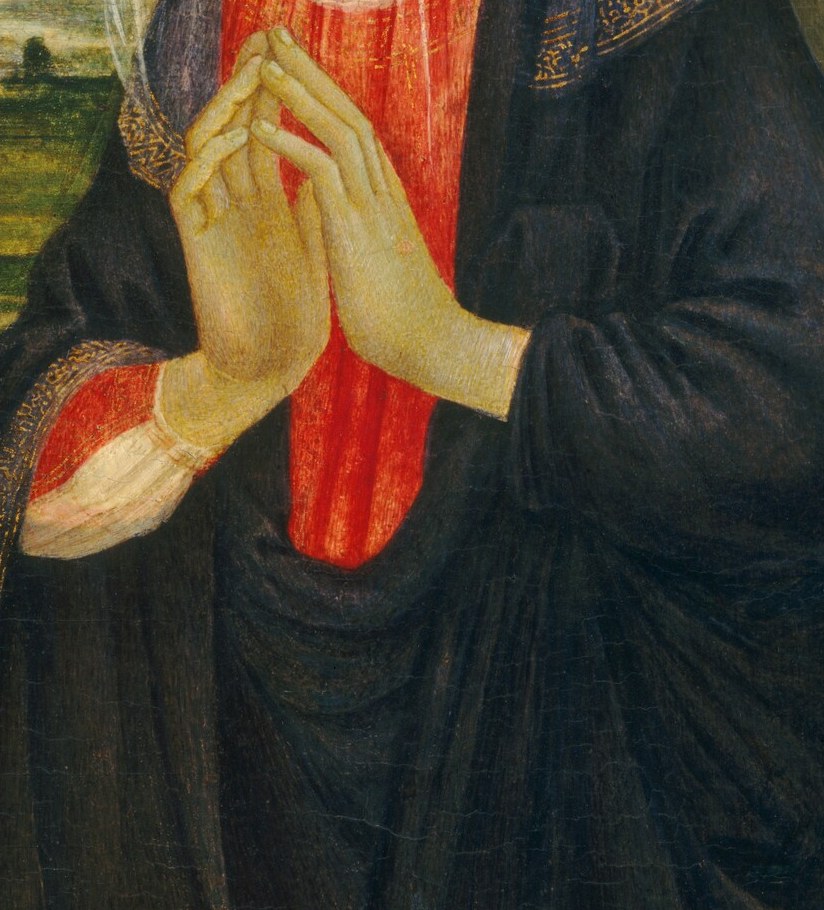
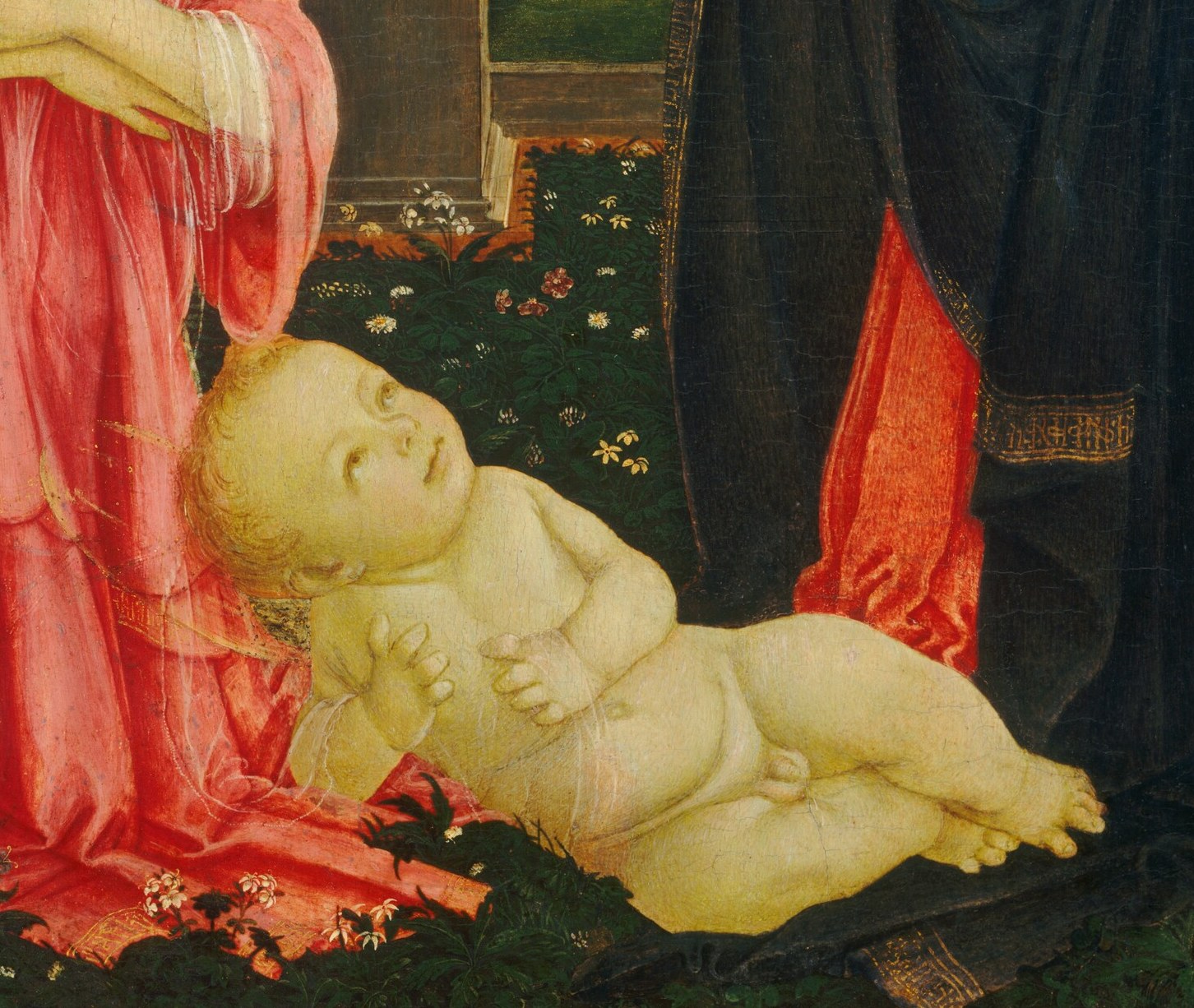
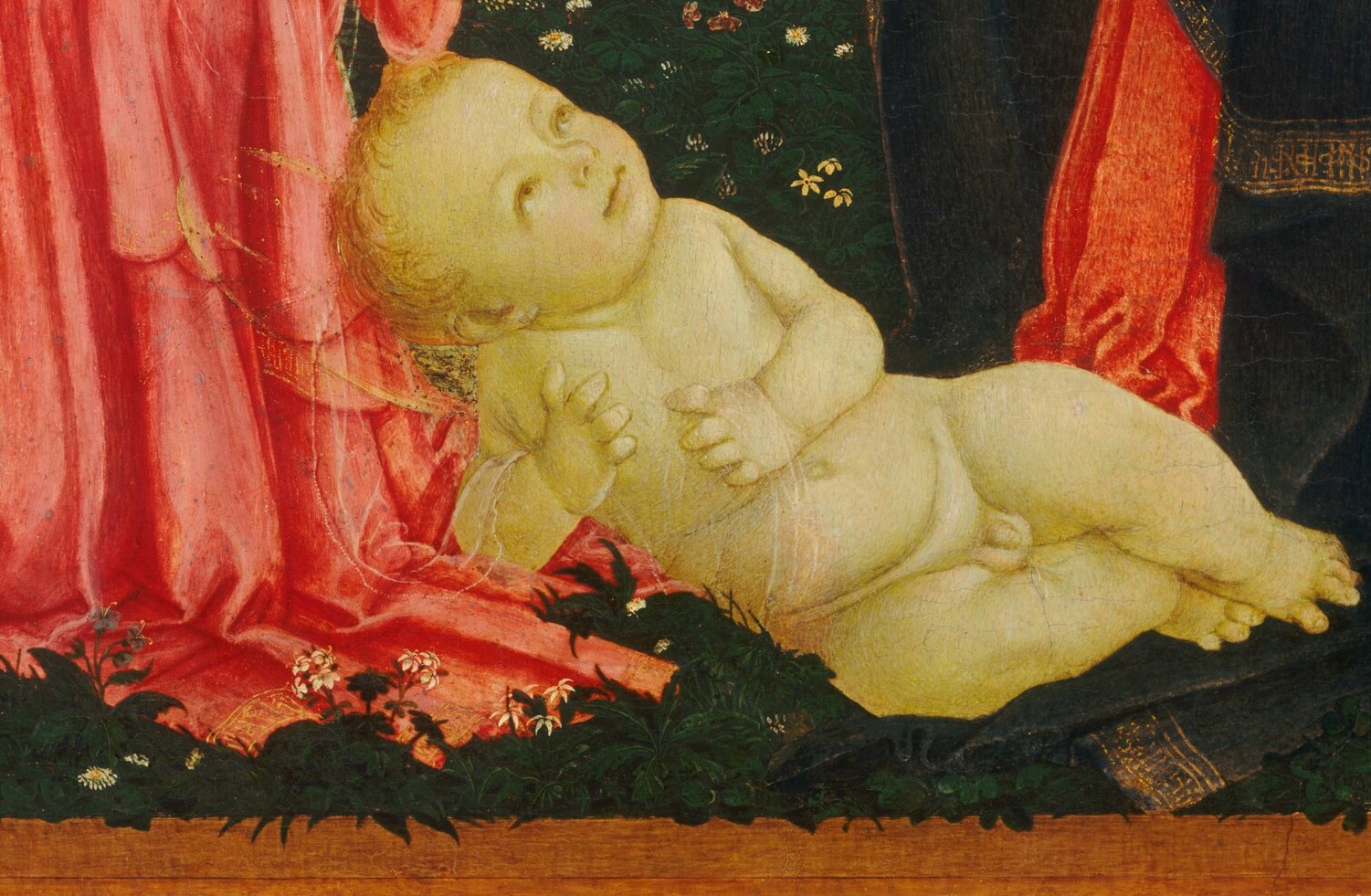
Observe the tender expressions: the angel's youthful wonder, Mary's introspective gaze, and the innocent repose of the Christ Child. Each figure is a study in emotion, drawing the viewer into this intimate scene.
Lippi, son of the renowned painter Fra Filippo Lippi, crafted this work during his formative years in Florence. The painting's serene atmosphere and symbolic details, like the infant resting on bare earth, reflect the artistic and theological currents of the Early Renaissance. It's a testament to his sensitive portrayal of sacred subjects.
How do these varied expressions draw you into the painting's quiet narrative?
Details
Transcript
Born around 1457, this painter was a son of Florence. He became one of the Early Renaissance's most devotional artists. Here, an angel looks on the Christ Child with youthful wonder. His mother, Mary, withdraws into dark contemplation. Her clasped hands hover, a gesture of suspended adoration. The newborn Christ Child rests on bare earth, not a manger. This subtle detail hints at both birth and future sacrifice.