Madonna and Child by Zoppo, Marco
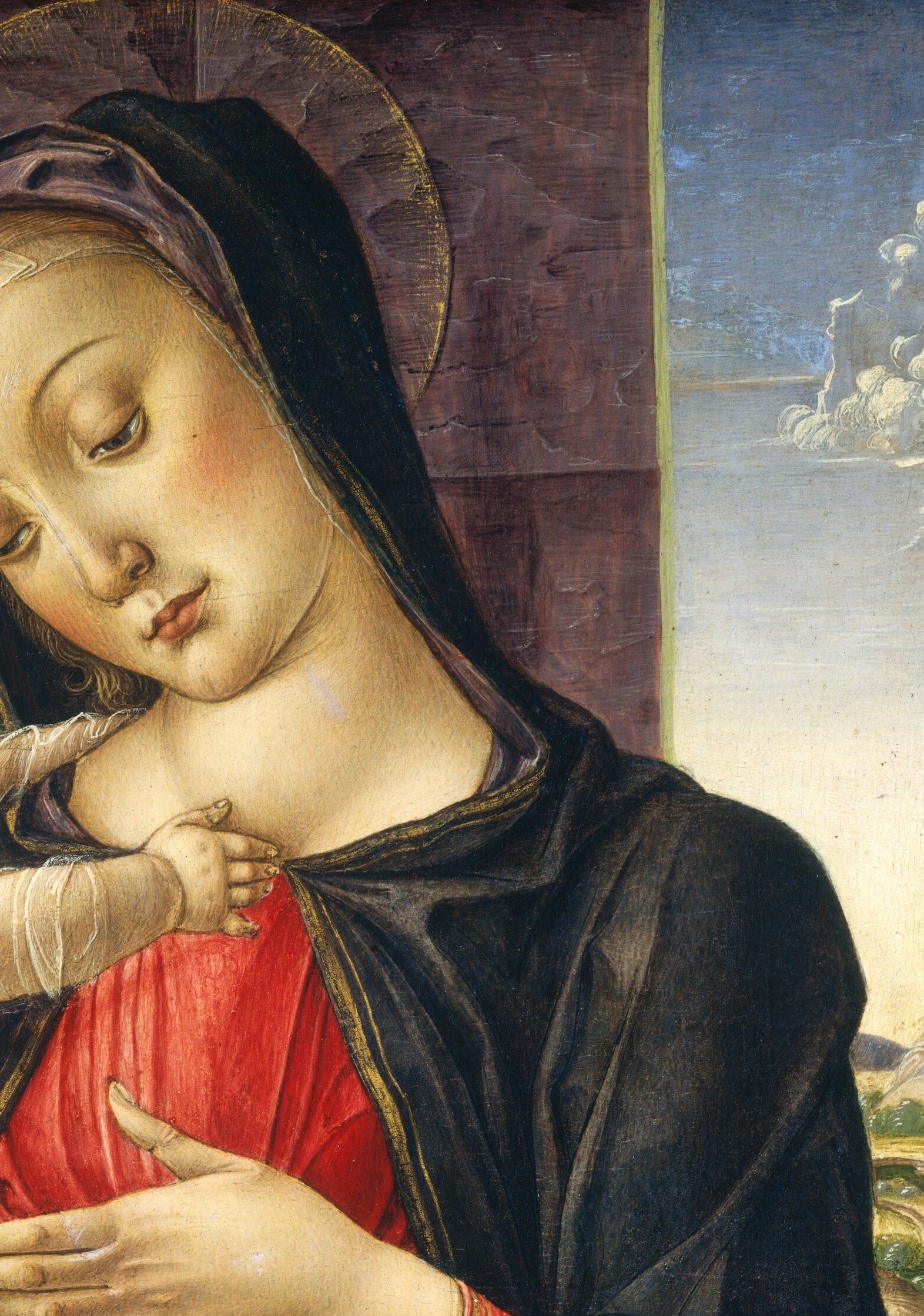
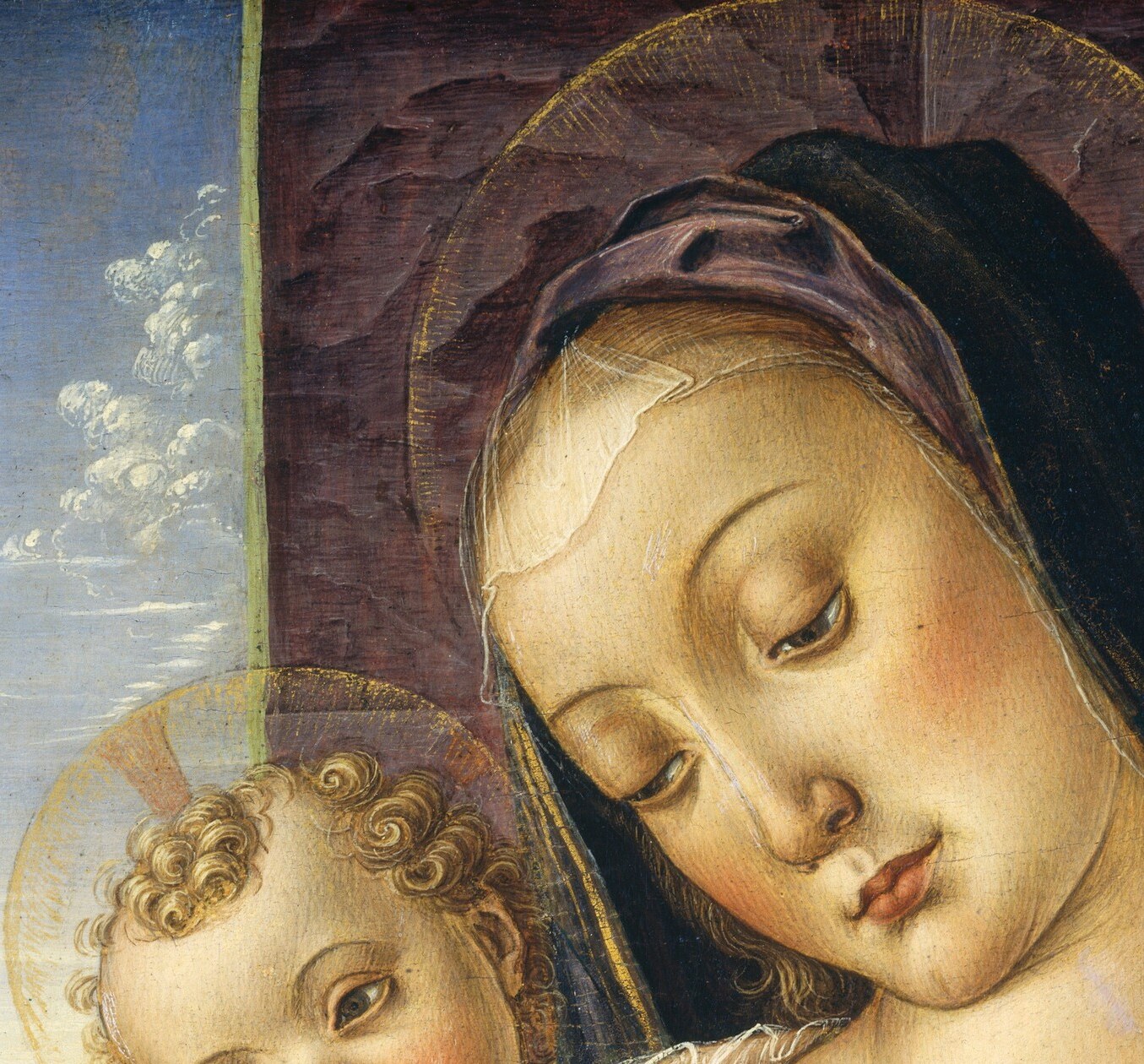
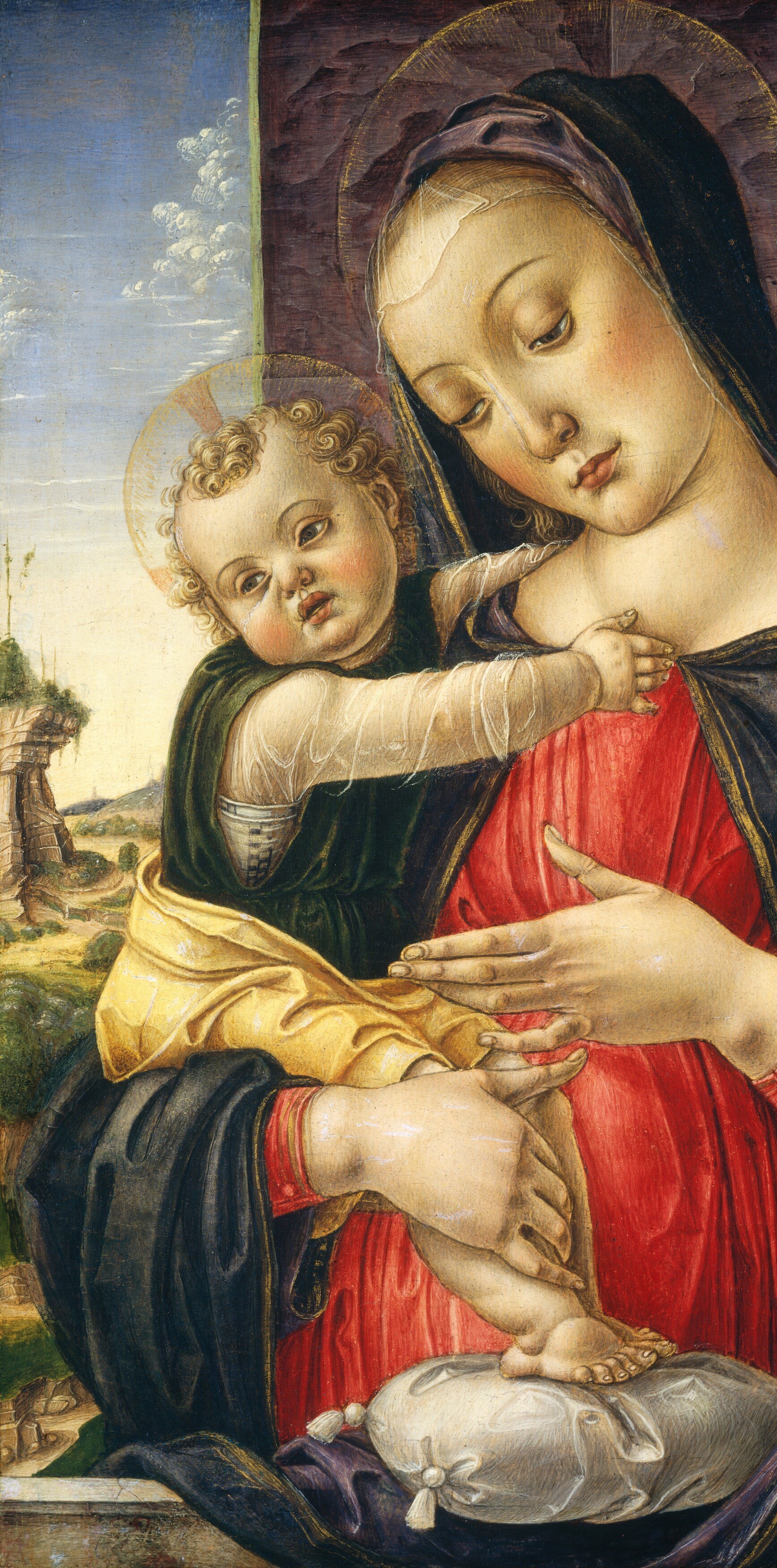
Marco Zoppo’s Madonna and Child (c. 1467/1468), housed in a private collection, showcases the artist’s remarkable skill in handling tempera paint to create lifelike flesh tones.
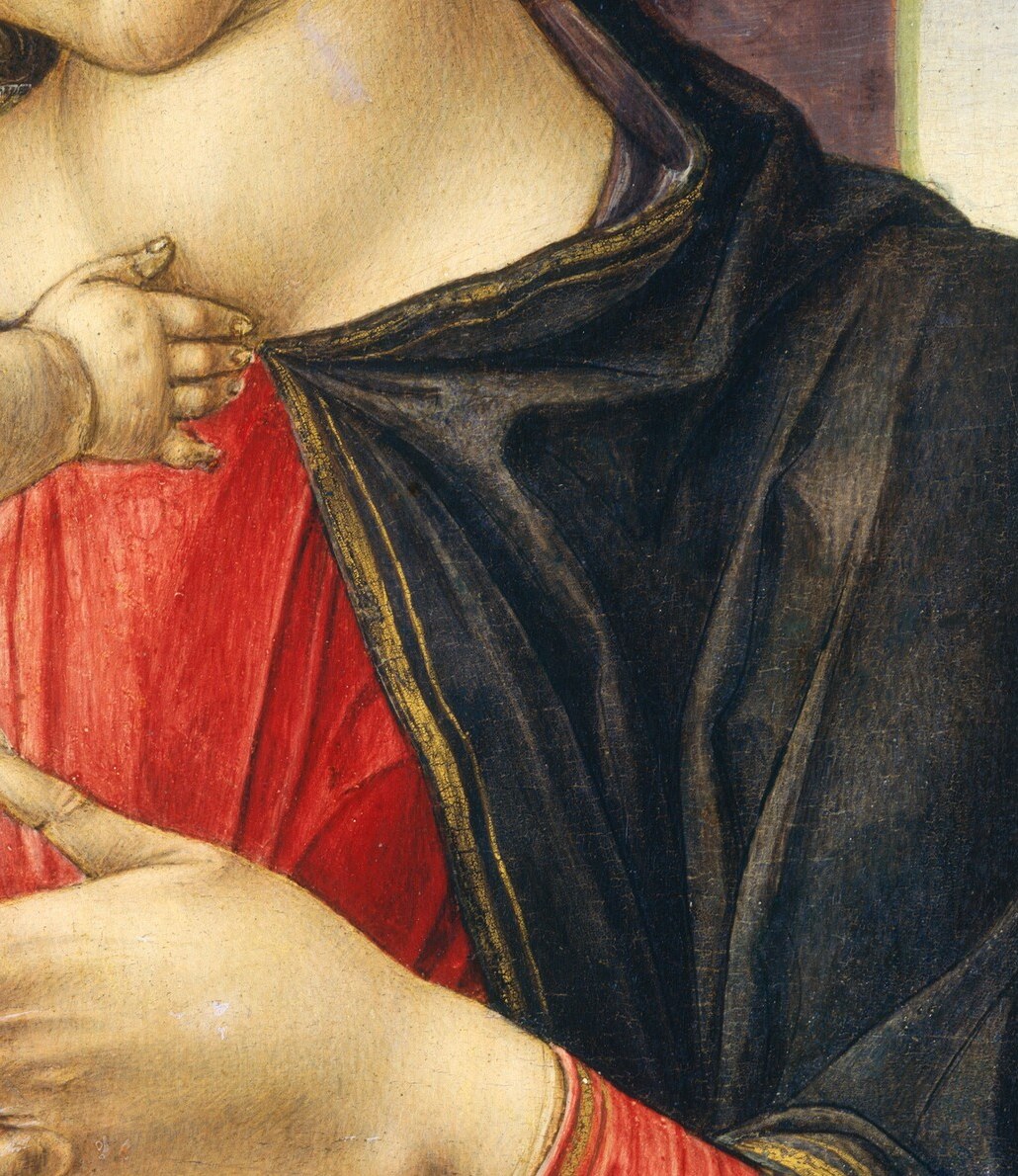
Observe the Christ Child’s body: the subtle modeling of his limbs, the soft creases, and the gentle highlights. These details demonstrate a naturalism that was challenging to achieve with tempera, a fast-drying medium that typically makes blending difficult.
Zoppo, an Italian Renaissance painter active primarily in Bologna, trained under Lippo Dalmasio and Francesco Squarcione. This painting exemplifies his ability to imbue religious subjects with a tender humanity, pushing the boundaries of anatomical observation within the tempera tradition. It reflects the artistic innovations emerging during the mid-15th century, moving towards greater realism.
What other subtle details do you notice in his technique?
Details
Transcript
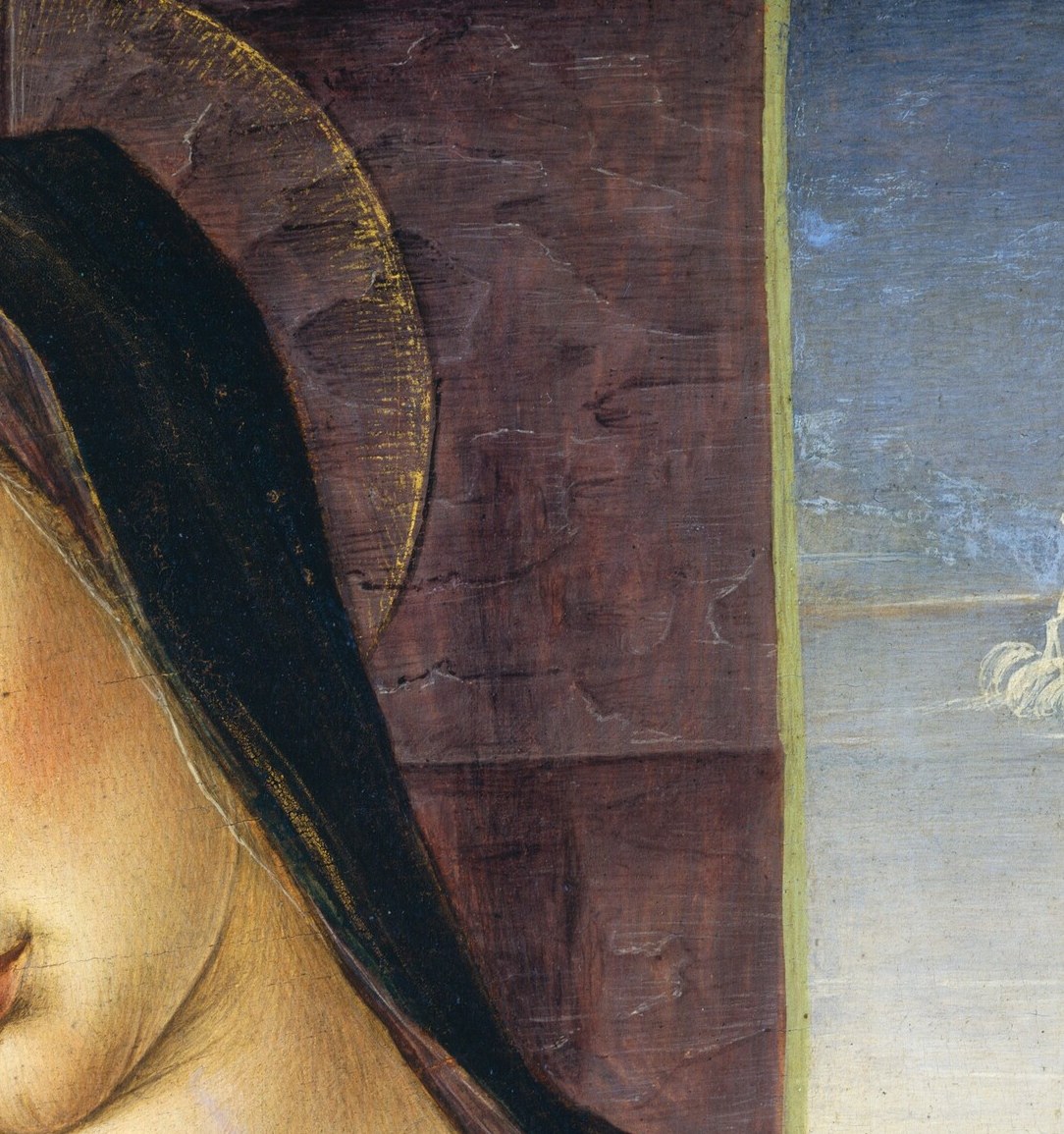
Tempera paint dries fast. Blending colors is hard. Yet this painter made the Christ Child’s skin look soft. See the subtle shadows and highlights on his belly. He achieved this with tiny, precise strokes of paint. This naturalism was unusual for tempera painting of the time. It shows his advanced skill with a difficult medium.