Carrying of the Cross by Titian
Titian's "Carrying of the Cross," painted in 1565, captures a profoundly moving moment of suffering and shared burden. Now held at the State Hermitage Museum, it showcases the Renaissance master's late-period style and emotional depth.
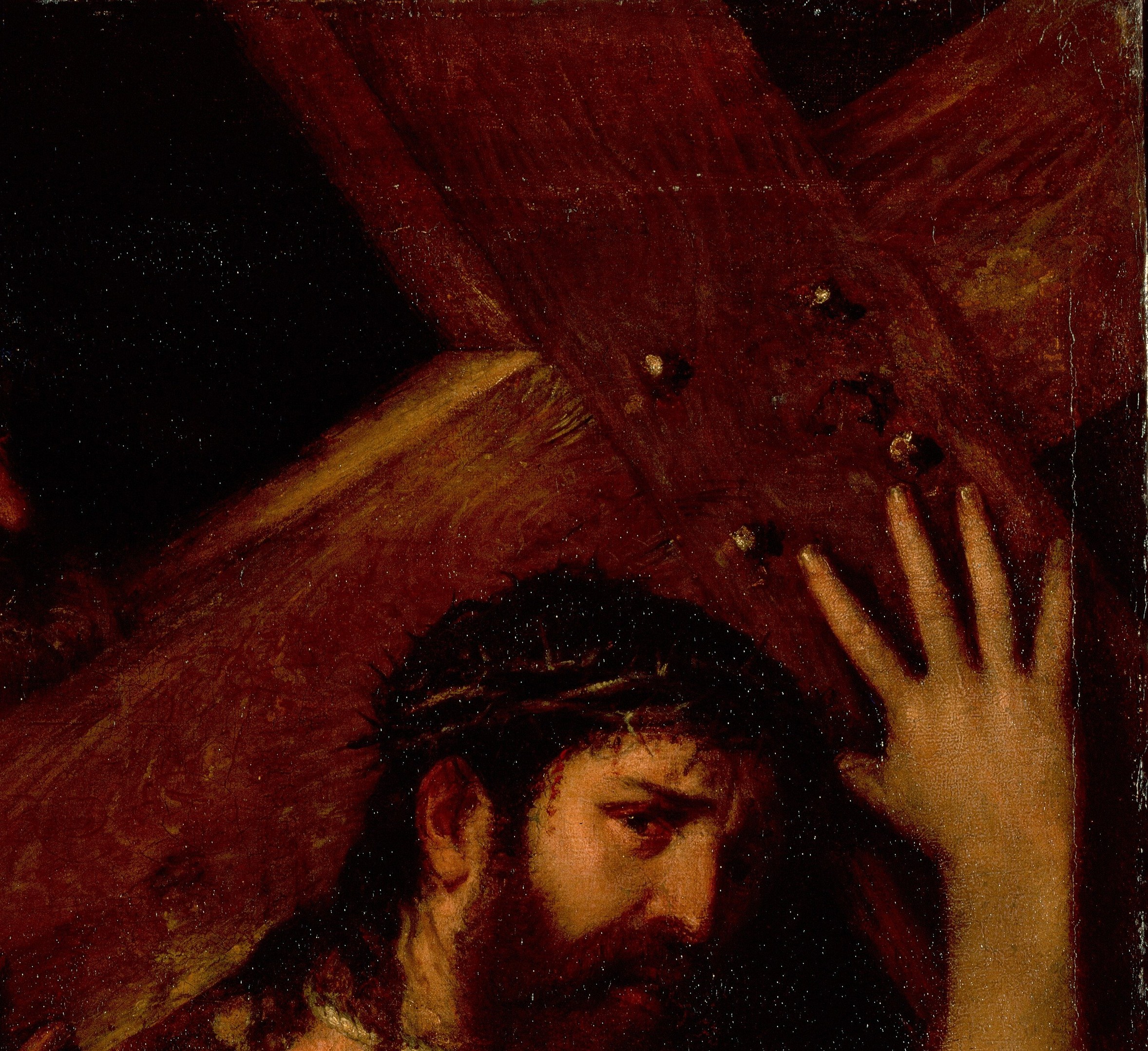
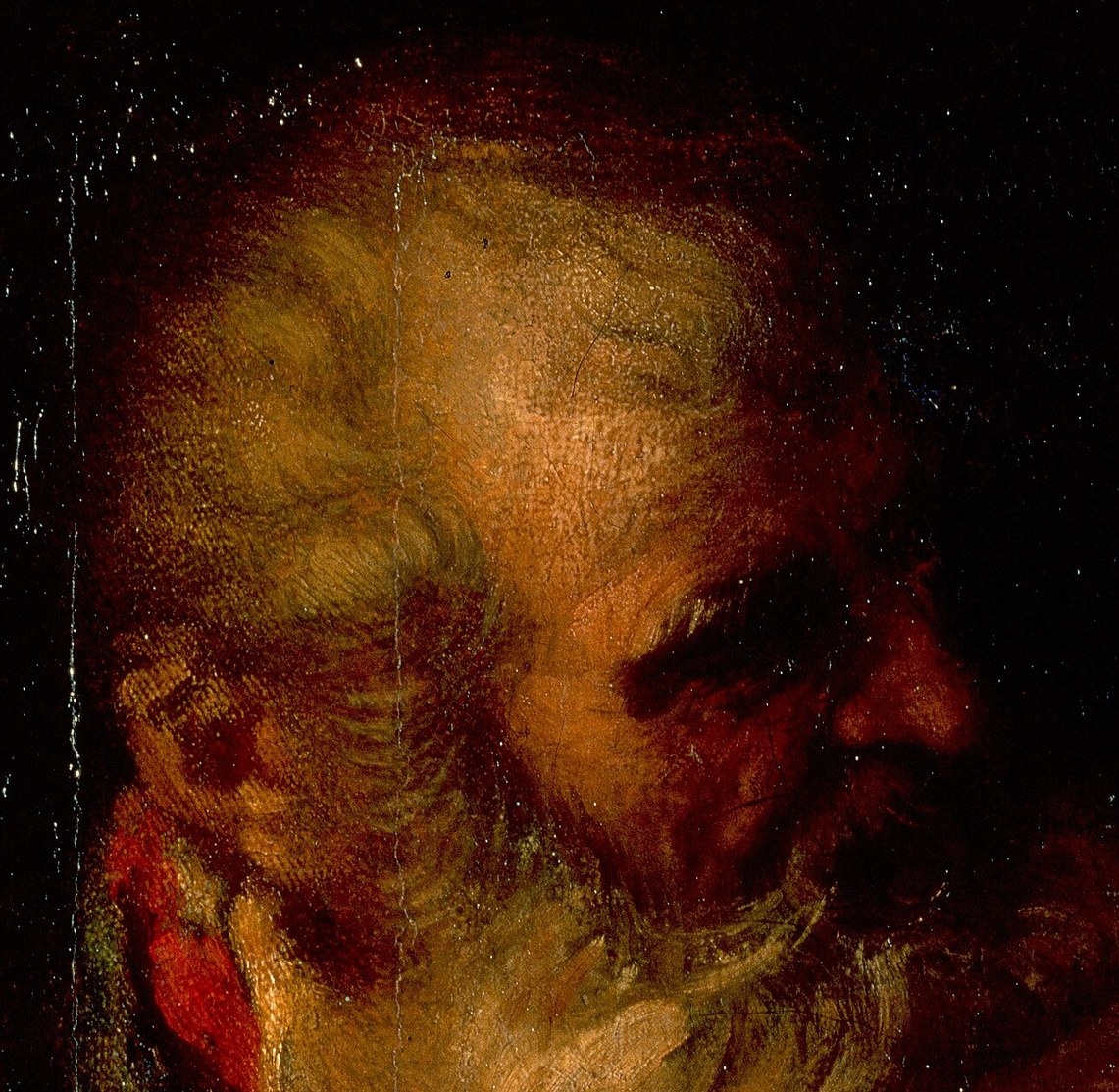
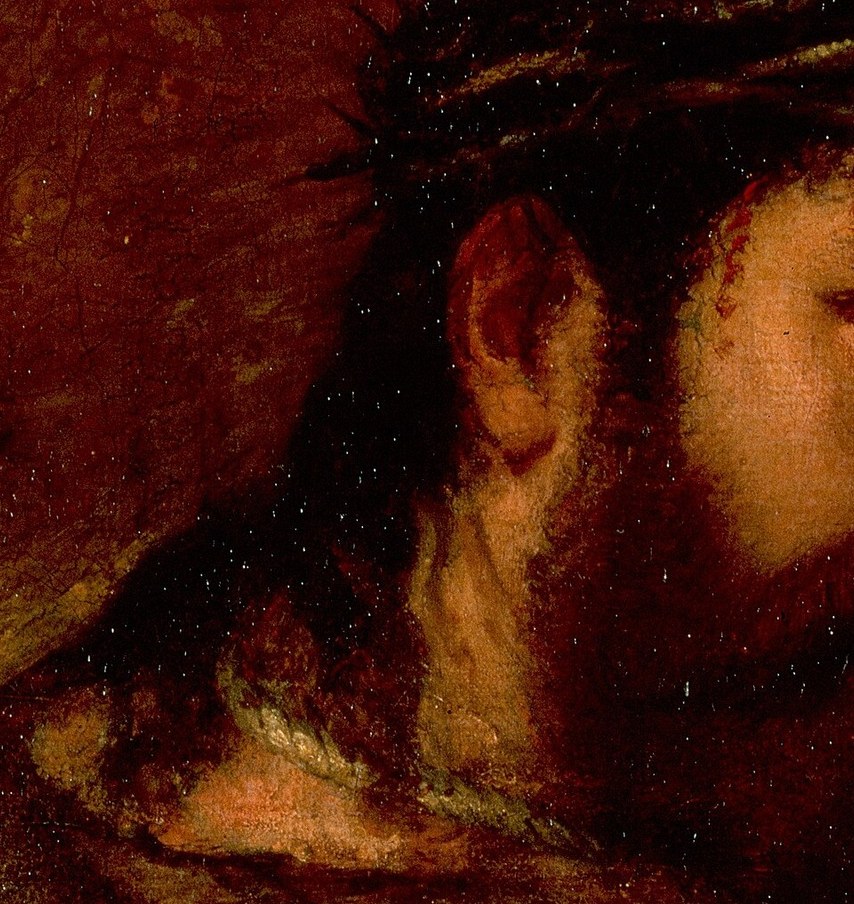
Look closely at the figures: Christ's face, wreathed in thorns, conveys an intense, almost resigned pain, while Simon of Cyrene's expression shows the sheer physical effort of assistance. The contrast and connection between their expressions draw the viewer into the scene's emotional core.
Created when Titian was around 75, this oil painting reflects his mastery in conveying drama and human emotion through broad brushstrokes and stark chiaroscuro. It is a powerful example of his influence on later artists through his innovative use of color and dramatic composition.
What do you notice first in their faces, the suffering or the strength?
Details
Transcript
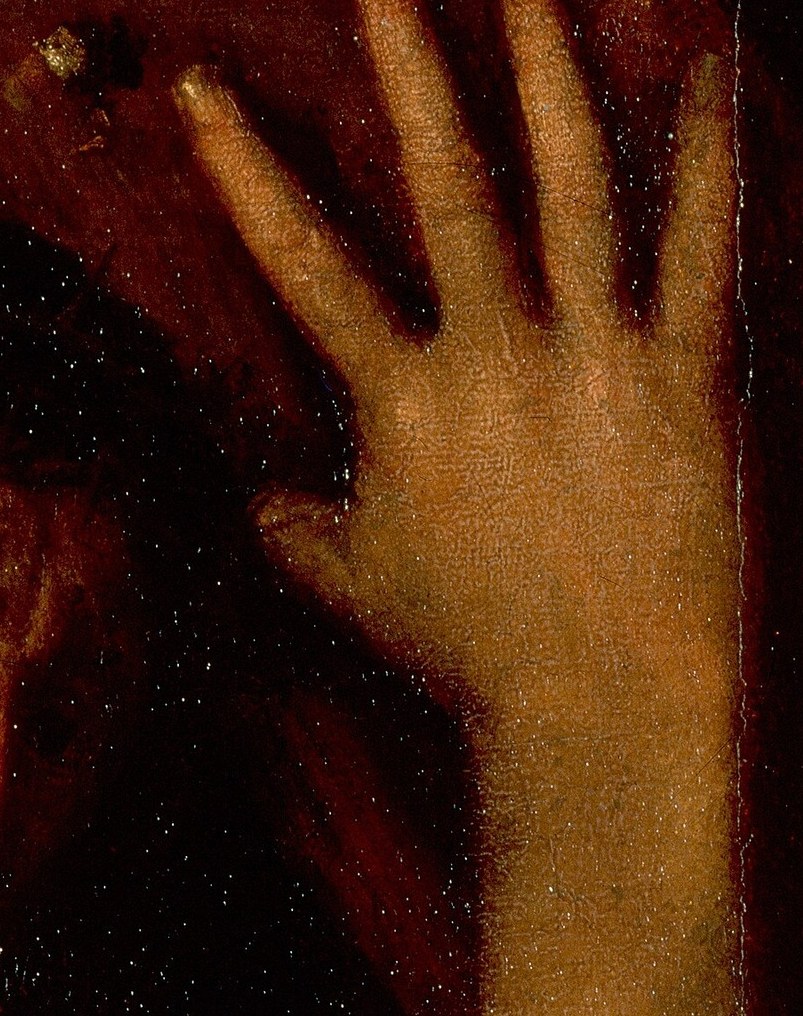
This painter was 75 when he made this, still at his peak. His brushstrokes were now broad, almost rough. Look at the man helping Christ carry the cross, Simon of Cyrene. His face shows the heavy effort, perhaps reluctant duty. But Christ's face is pure suffering, almost beyond pain. The thorns dig into his brow, a visceral detail. His grip on the cross, the determination to finish his path. A shared burden, divine and human, captured in one moment.