Flowers in a Classical Vase by French 17th Century
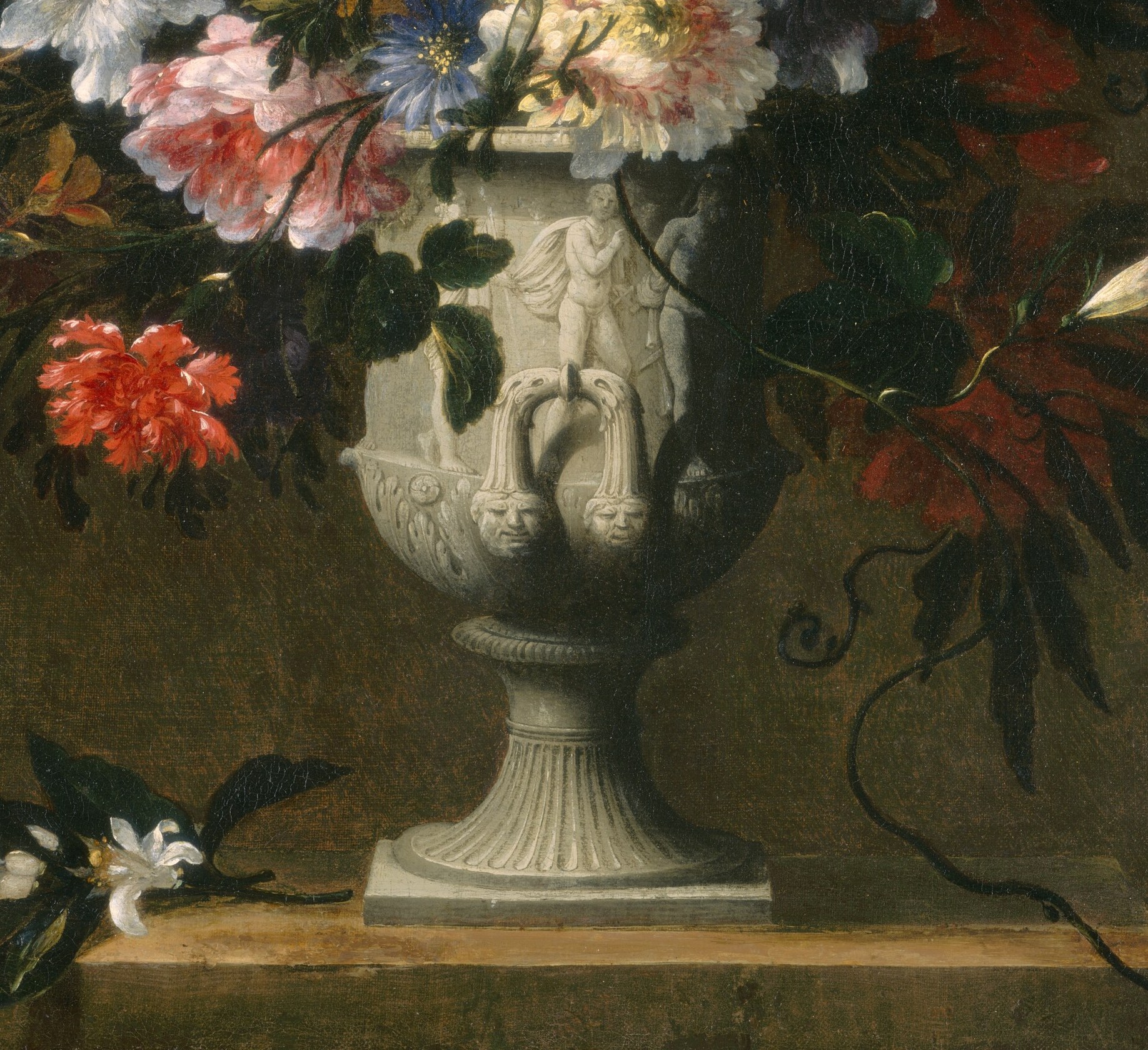
This exquisite oil on canvas, "Flowers in a Classical Vase" by a French 17th-century artist, is a masterful example of still life, currently housed in a private collection. It invites a contemplative gaze into the intricate beauty of nature, captured at its peak.
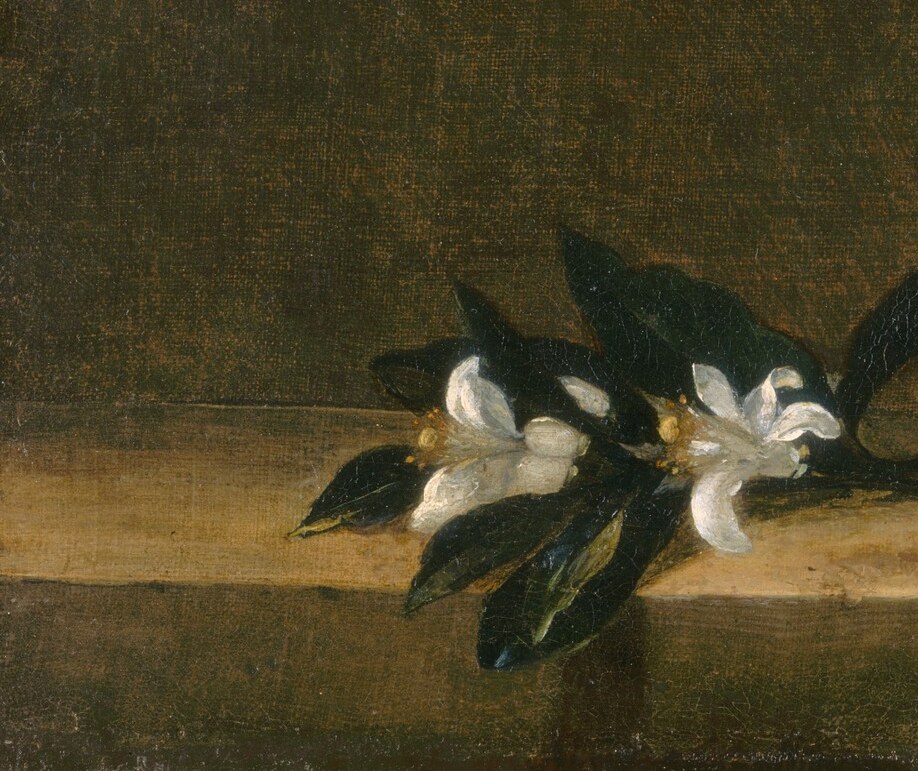
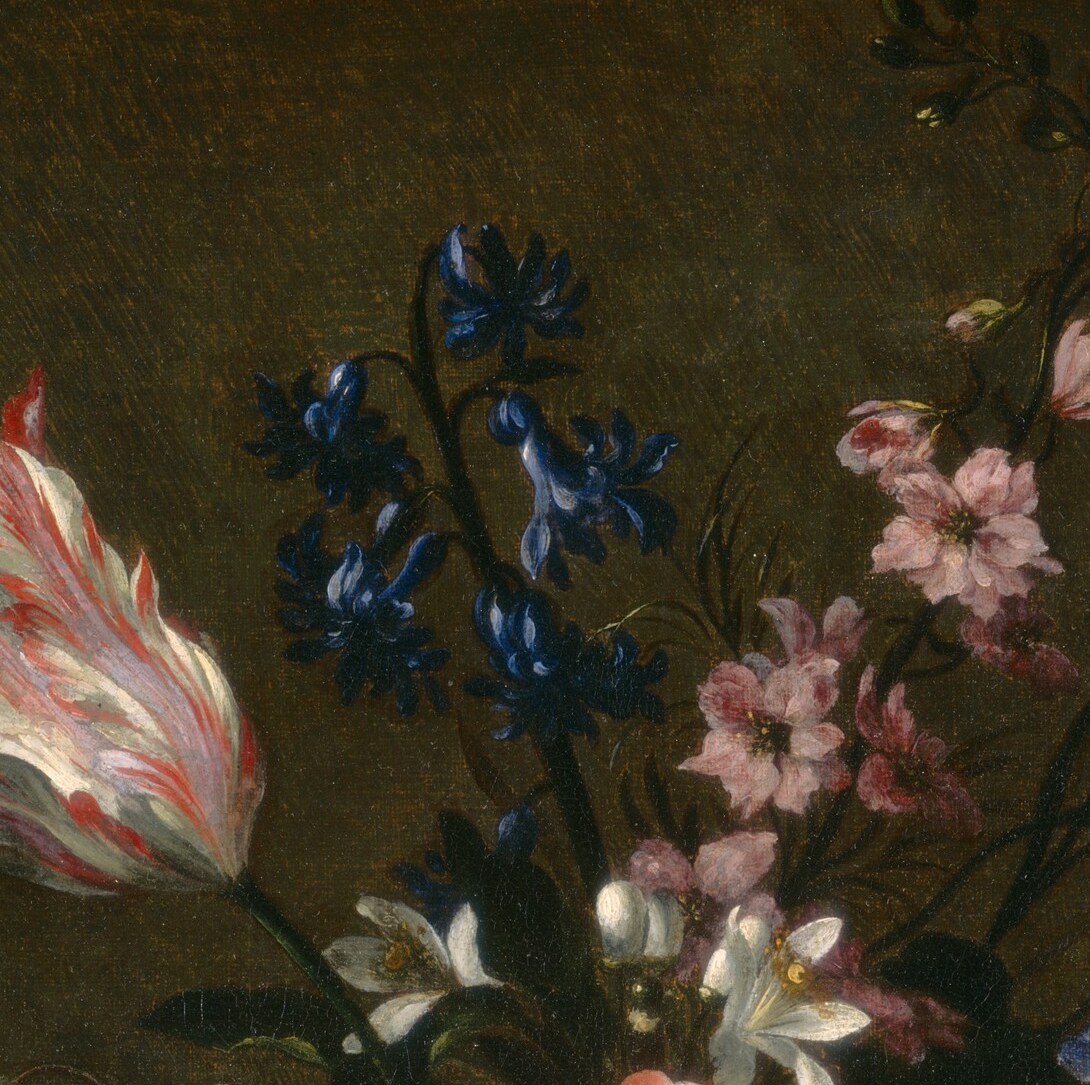
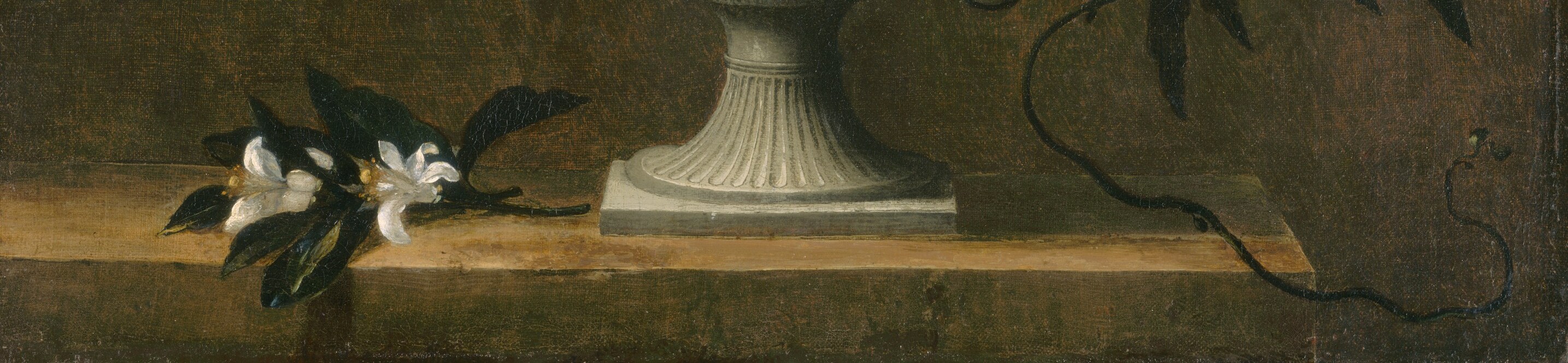
Notice the meticulous rendering of each bloom, from the soft blush of the peonies to the deep crimson of the carnation. The striped tulips, then a rare and highly prized status symbol, reveal a fascinating detail: their striking patterns were actually the result of a mosaic virus, a 'break' in their genetic code. The artist's attention to detail even includes a single fallen blossom on the stone ledge, a classic memento mori.
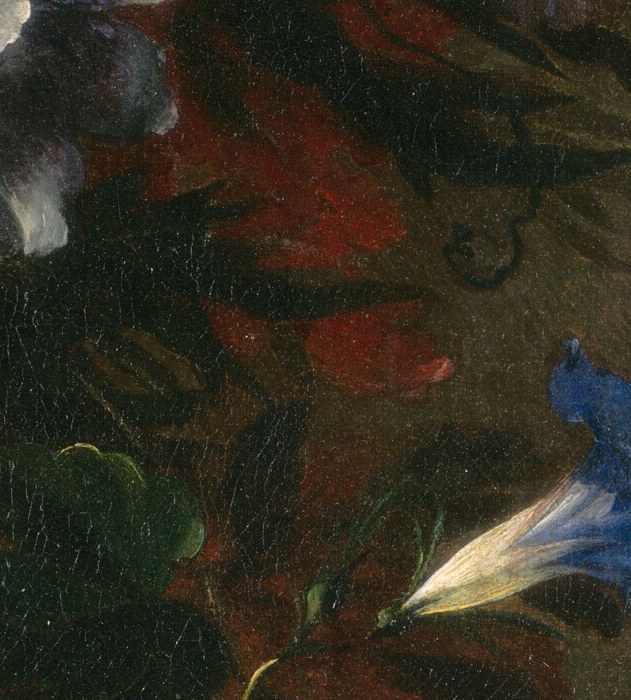
The artwork serves as a reminder of life's fleeting beauty and the transient nature of all things, a common theme in 17th-century still life. The inclusion of a tiny butterfly, almost hidden, further emphasizes this message of ephemeral existence within the seemingly ordered composition.
What other small details do you notice in this painting that speak to the passage of time?
Details
Transcript
Look closely at this lush bouquet. Each bloom shows remarkable detail, even a fallen petal. This painter celebrated life's fleeting beauty. These striped tulips were a rare status symbol. Their 'broken' patterns were caused by a virus. Look, a tiny blue butterfly has landed. It reminds us that all beauty is transient.