Portrait of a Man by Abraham de Vries
This striking "Portrait of a Man," painted by Abraham de Vries in 1643, is a masterclass in 17th-century Dutch portraiture. Now held at The Metropolitan Museum of Art, it captures a distinguished gentleman with a remarkable sense of presence.
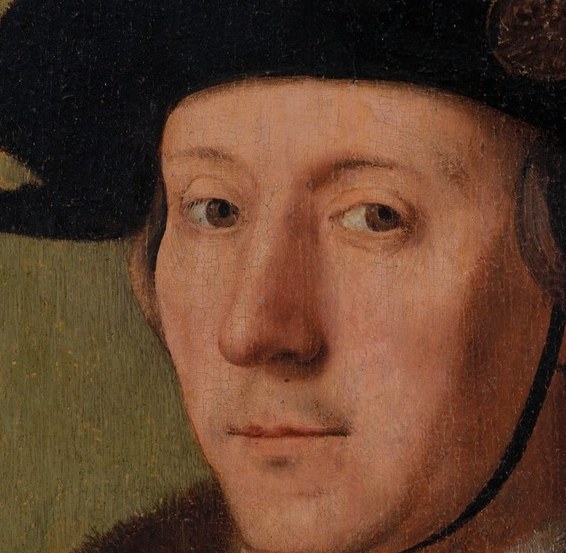
De Vries, a prominent artist of the Dutch Golden Age, uses subtle techniques to bring his sitter to life. Observe the gentle illumination on his cheekbone and the slightly parted lips, suggesting an imminent remark or a moment of deep thought. The direct gaze from his eyes draws you into a silent conversation, making the portrait feel incredibly immediate.
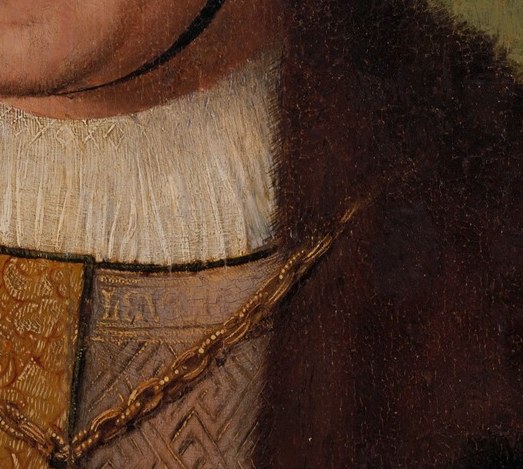
The dark background is not merely a void, but a deliberate choice by de Vries to emphasize the sitter's form and the meticulous details of his attire, like the crisp white collar and the hint of lace at his cuff. It's a testament to the artist's skill in capturing individual likenesses and personality.
What do you imagine this man might be about to say?
Details
Transcript
This 1643 portrait shows a distinguished Dutch gentleman. The painter, Abraham de Vries, was a leading portraitist. Notice the subtle light on his cheek, giving him dimension. His mouth is slightly open, as if he is about to speak. This direct gaze and posture invite a conversation. The dark background emphasizes his presence and detail.