清 徐祥 小鳥水仙 扇面|Birds and Narcissus by Xu Xiang
Birds and Narcissus, painted by Xu Xiang in 1883, is a beautiful example of a folding fan painting from the Qing dynasty. This ink and color on alum paper piece, now an album leaf at the Metropolitan Museum of Art, subtly combines natural beauty with deep cultural symbolism.
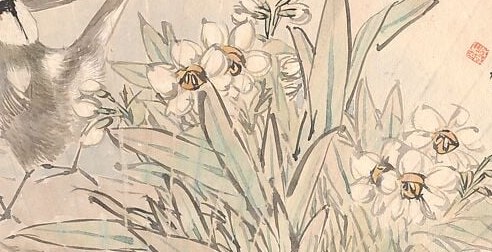
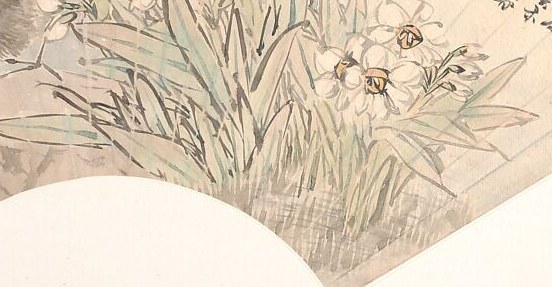
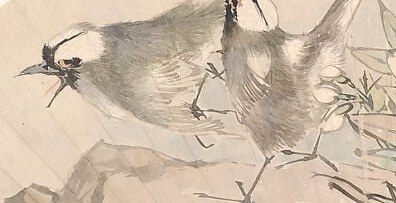
Observe the delicate narcissus blossoms, traditionally associated with good fortune and frequently exchanged during New Year festivities in China. The two alert birds perched on the rock add to the scene's vitality, rendered with Xu Xiang's refined brushwork and soft, pale washes that create an ethereal atmosphere.
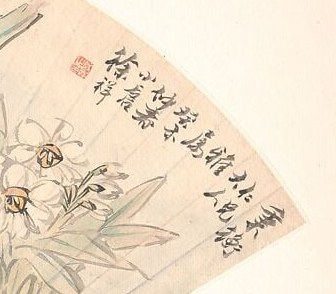
Xu Xiang (1850-1893) was known for his harmonious balance between naturalistic detail and decorative elegance in bird-and-flower painting. This work, originally for personal use or social exchange, showcases the intimate scale and refined taste of the late 19th century. The calligraphy and artist's seals further embed the piece within its rich historical and literary context.
What other hidden meanings might these quiet details suggest?
Details
Transcript
This fan painting, from 1883, features auspicious Chinese symbols. Narcissus flowers, like these, traditionally symbolize good fortune. They were often exchanged as gifts during New Year celebrations. This painter used delicate brushwork and soft washes on alum paper. His elegant script adds a literary dimension to the natural scene. A small seal here marks it as his work, completing the composition.