Virgin and Child by Gaudenzio Ferrari
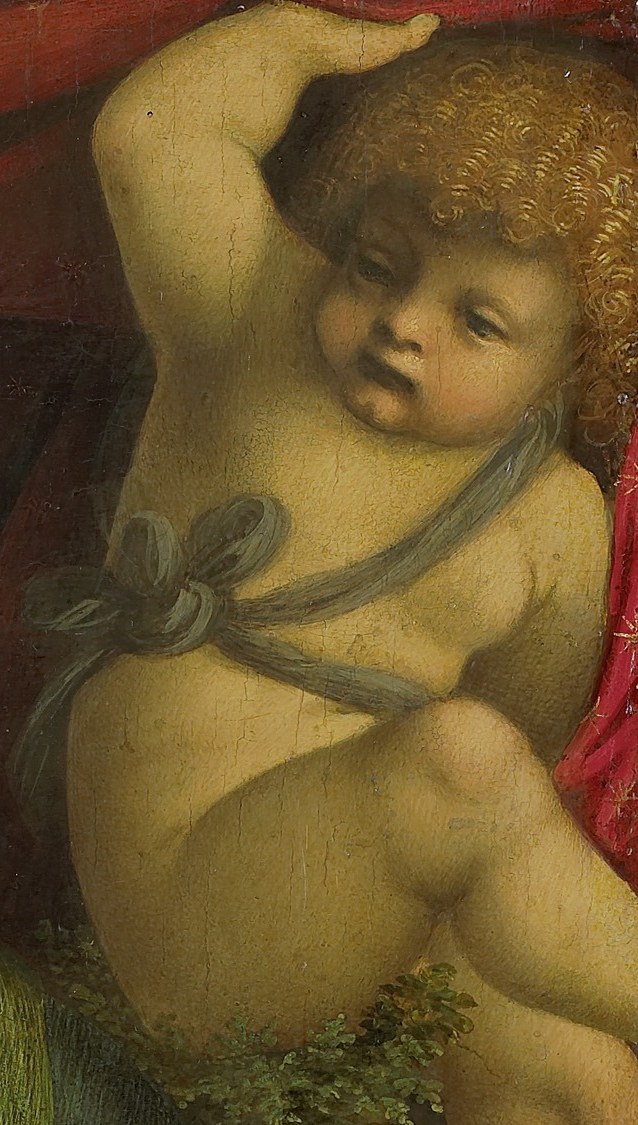
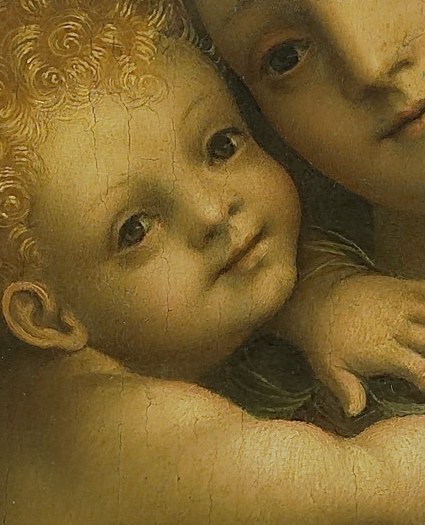
This painting, Virgin and Child by Gaudenzio Ferrari (c. 1550), is a masterpiece of devotion, but it holds a secret criminal history. One of the cherubic putti is not what it seems; it is a clever forgery, part of a daring theft.
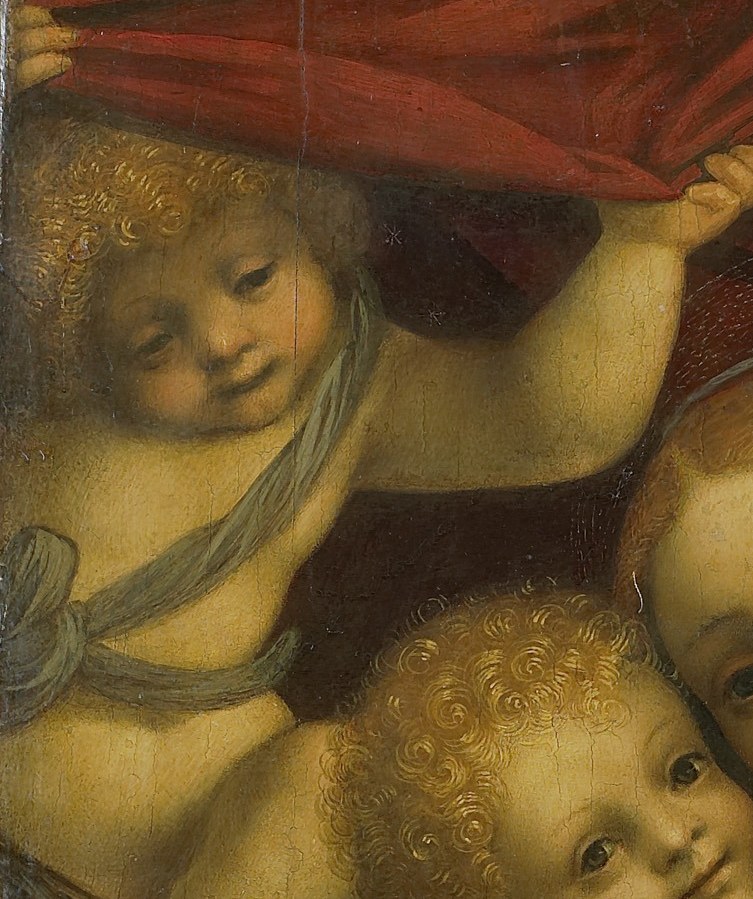
Look closely at the four putti surrounding the Virgin and Child. They appear divine and playful, pulling drapery or reaching upwards. However, the putto reaching on the top right is an imposter.
In 1868, thieves targeted this painting, stealing the original panel. To make the theft less obvious and to sell it on, they created a meticulous forgery of the putto and painted it over the empty space. The original artwork was never recovered.
This crime highlights how even sacred art can become a target for illicit trade.
Details
Transcript
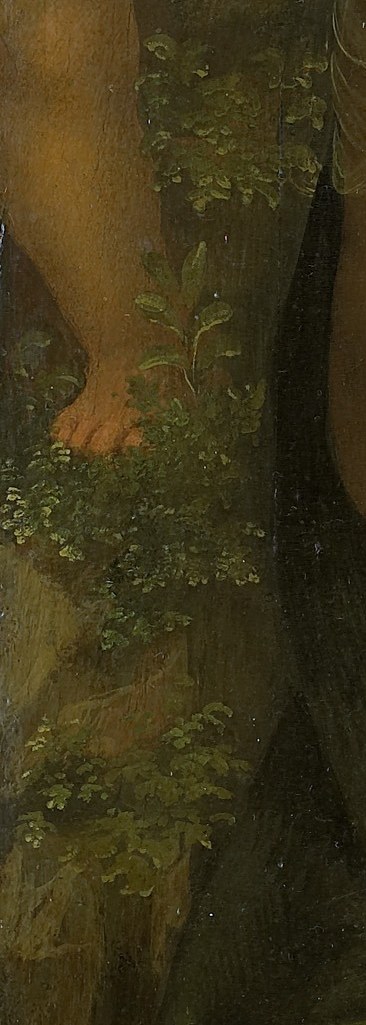
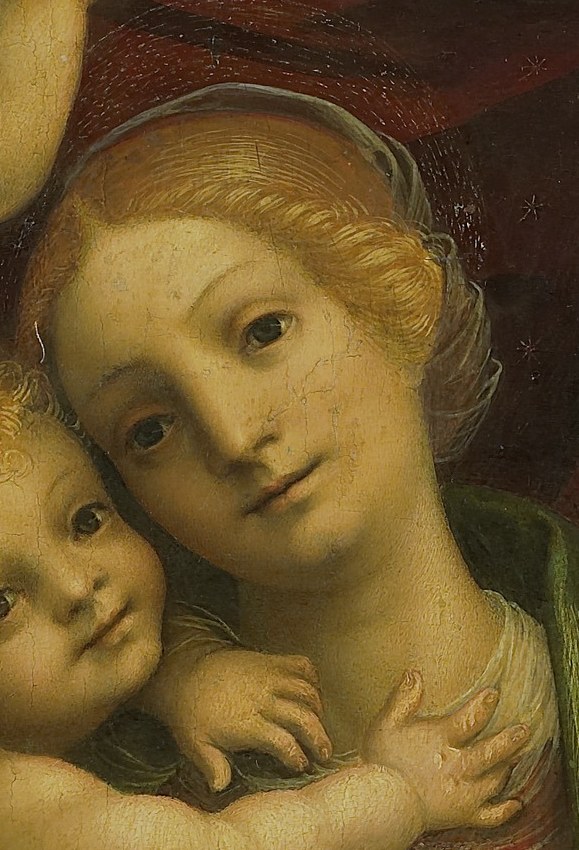
A tender moment between mother and child. But who are these celestial attendants? Four putti seem to descend from heaven. They appear playful, divine, and otherworldly. However, one putto is a master forgery. Art thieves stole the original in 1868. This putto was painted over the original.