Still Life with Crab, Rummer and Grape by Pieter Claesz
Pieter Claesz's Still Life with Crab, Rummer and Grape (1644) is a masterful breakfast piece from the Dutch Golden Age, now at the State Hermitage Museum. Its real power lies not just in depicting a lavish meal, but in hinting at vanitas, the fleeting nature of life and pleasure.
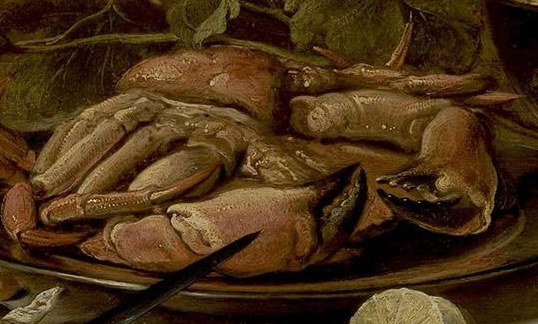
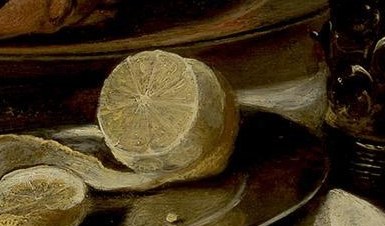
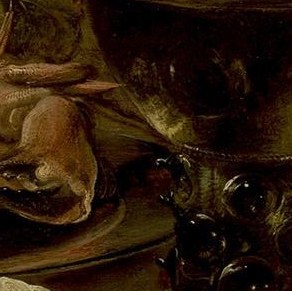
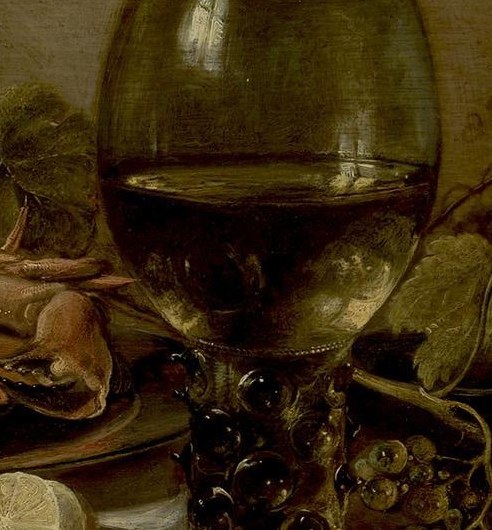
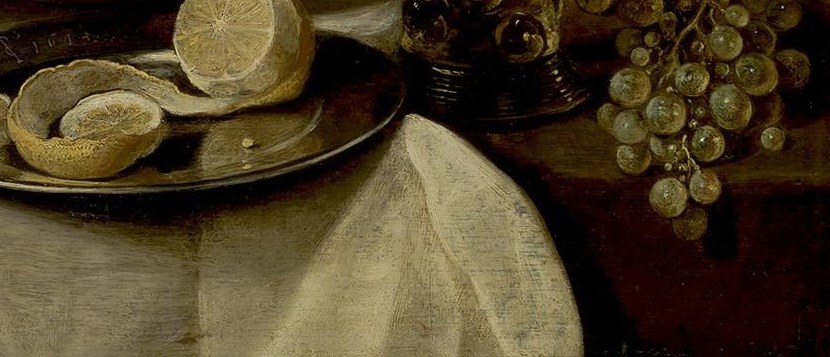
Observe the vibrant, almost tactile rendering of the crab and the glistening lemon slice. Then, let your eye fall on the shattered rummer glass, a stark symbol of fragility amidst plenty. The details, from the textured bread to the reflective wine glass, invite close study.
Claesz created this work in 1644, a period of great prosperity in the Netherlands. Such still lifes, called 'ontbijtjes' or breakfast pieces, were popular among wealthy merchants. They celebrated earthly abundance while subtly reminding viewers of life's transience.
This painting shows us that even in moments of perceived richness, there are quiet reminders of impermanence.
Details
Transcript
This meal is more than it appears. Look at the abundance of the crab. The lemon offers a sharp contrast. But the rummer glass is broken. These elements remind us life is brief. The artist painted this in 1644.