Filippo Cattaneo by Dyck, Anthony van, Sir
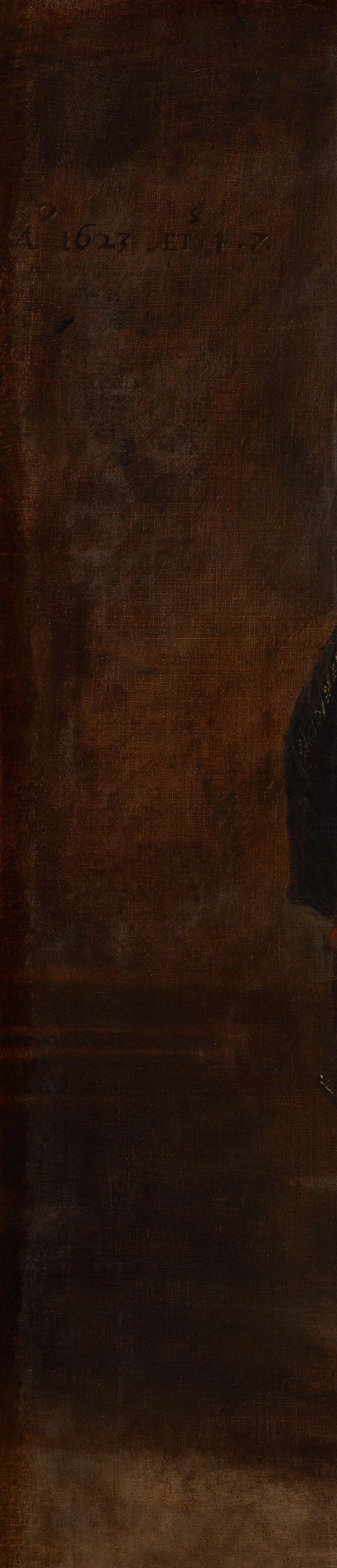
Anthony van Dyck painted "Filippo Cattaneo" in 1623, when he was just 24 years old, showcasing his early mastery of portraiture. This oil on canvas is held at a museum (specific museum not provided in dossier).
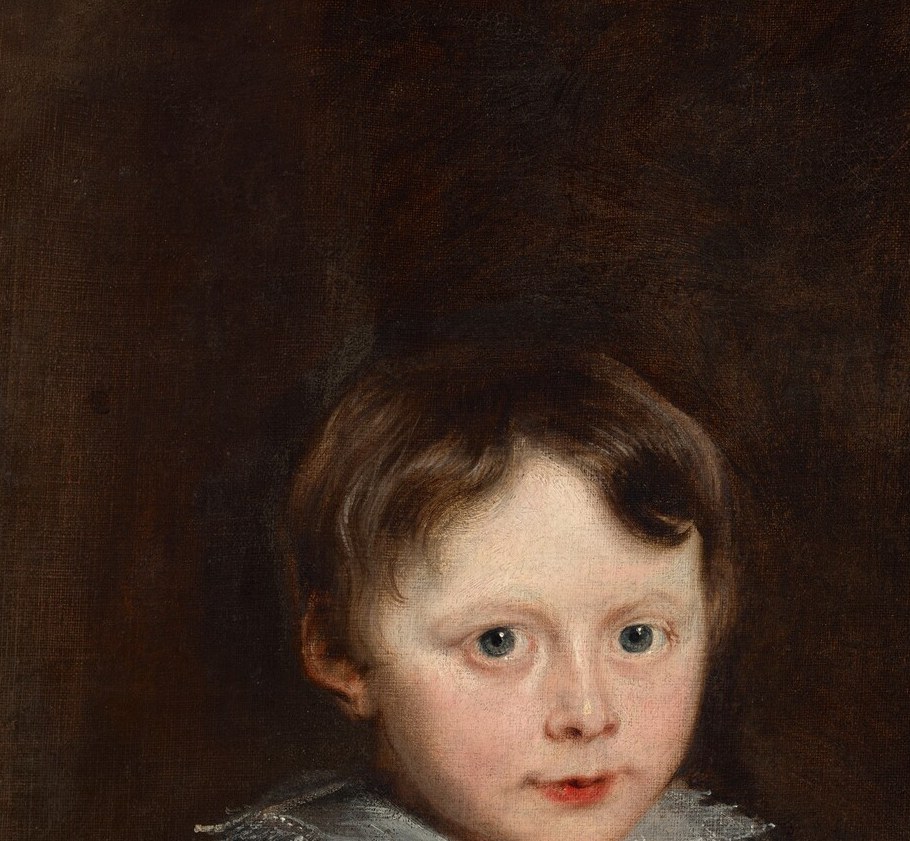
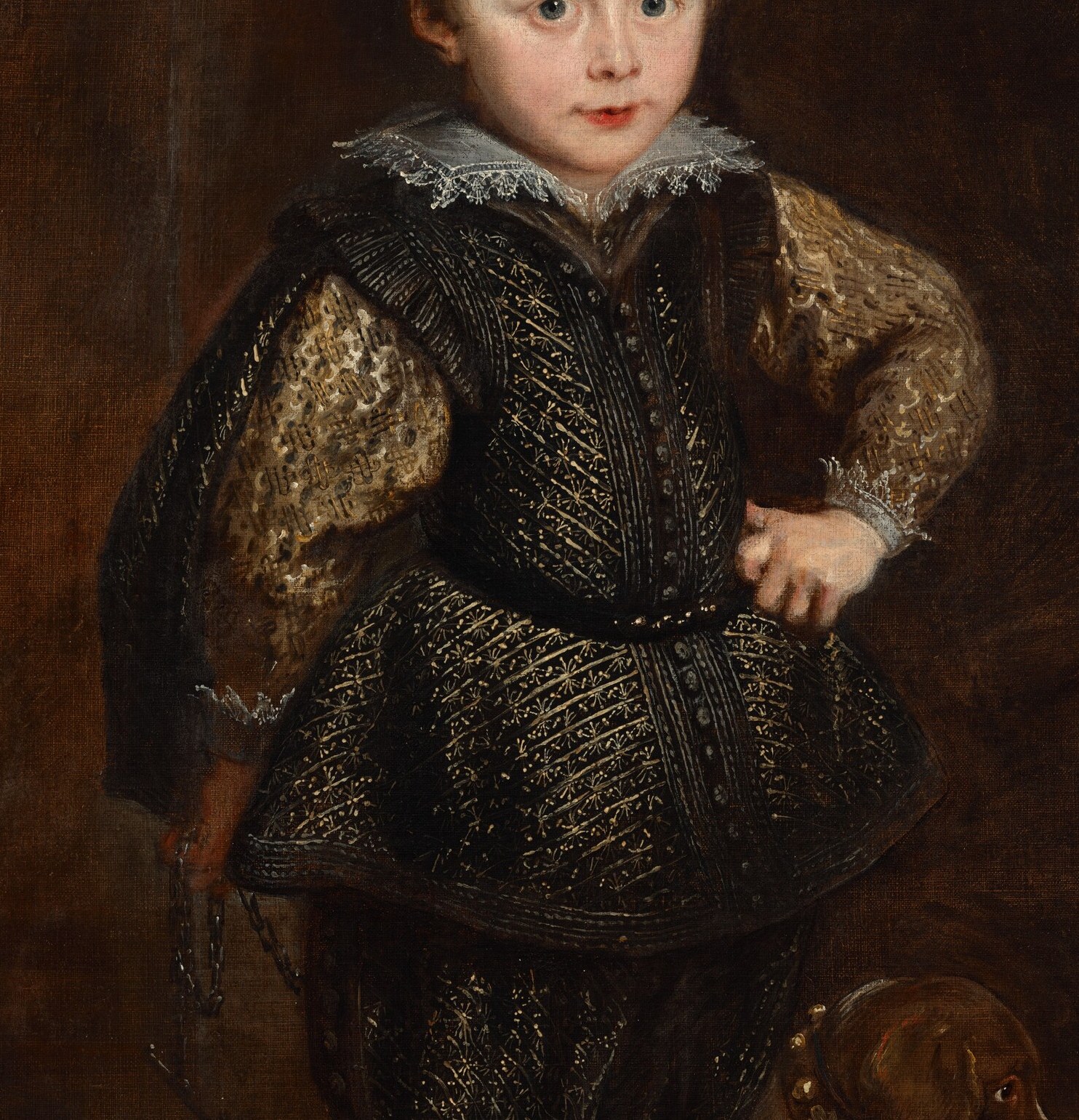
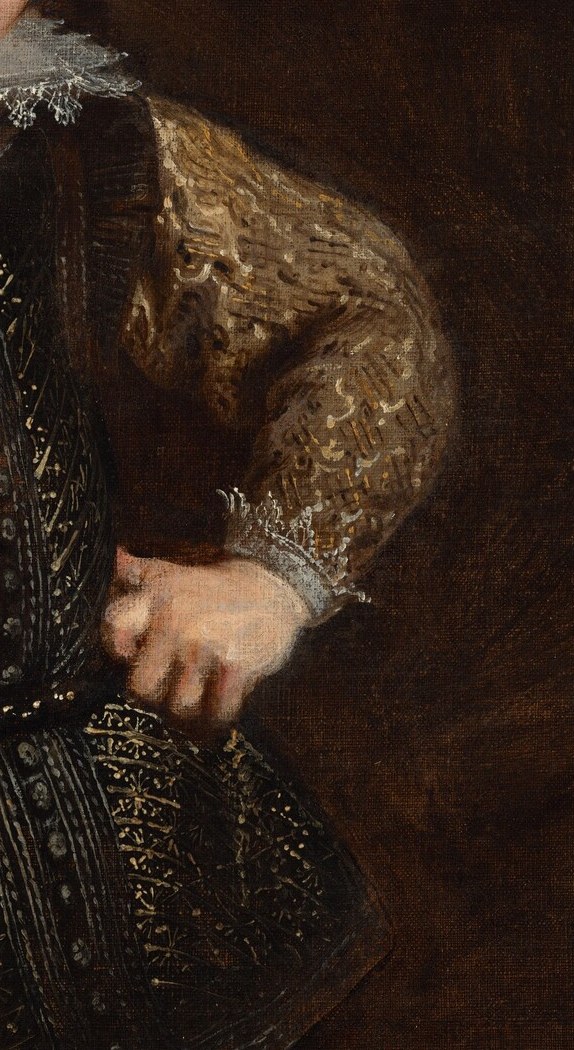
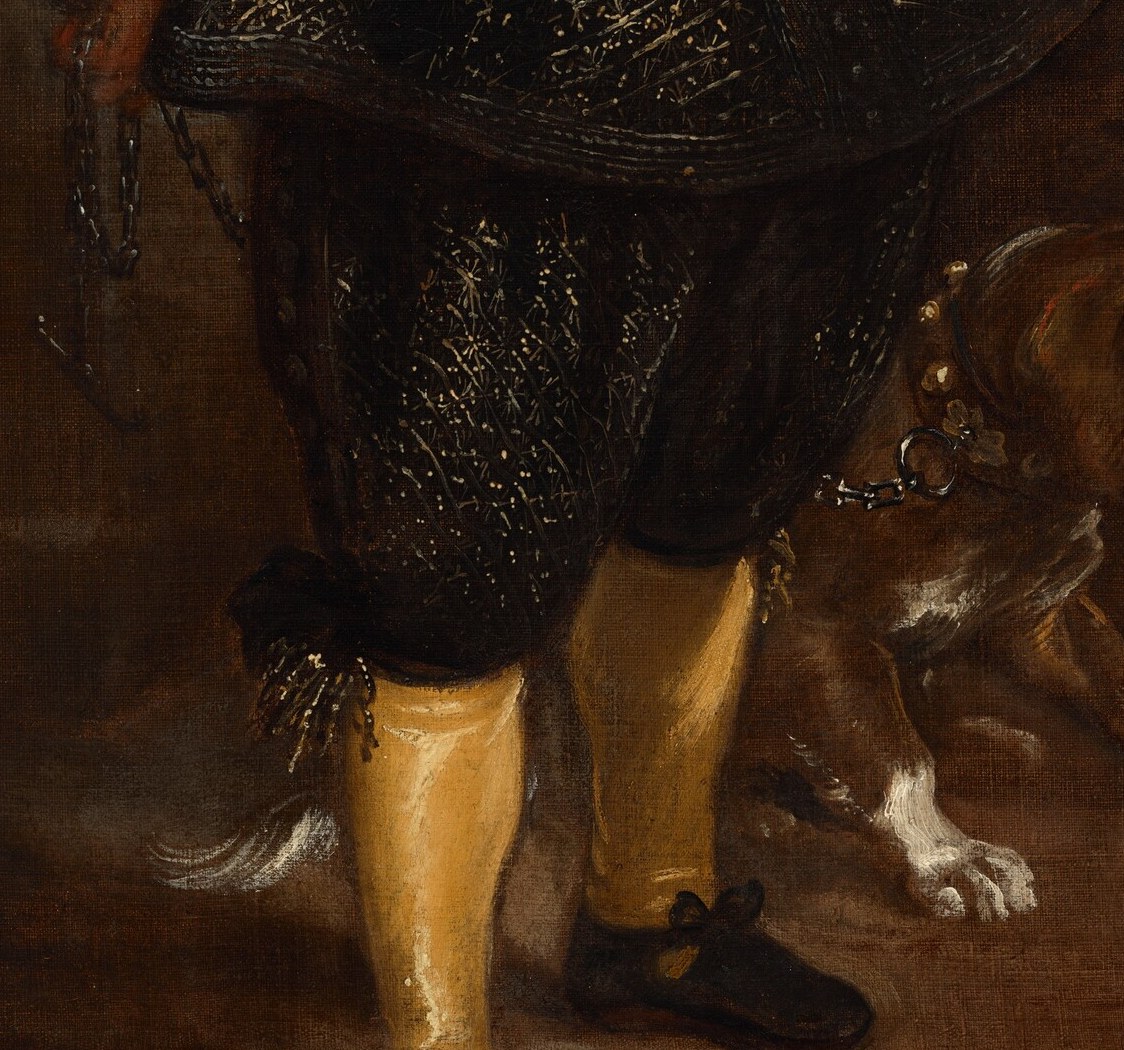
Notice how Van Dyck uses a deep, almost entirely featureless dark background to make the young boy and his elaborate clothing seem to emerge into light. The contrast emphasizes the delicate textures and the sitter's serene expression, drawing your eye directly to the details that catch the light.
Van Dyck, born in Antwerp, had a brief stay in England before spending six formative years in Italy, where Titian's colorism profoundly influenced his style. This early work hints at the genius that would later define British portraiture during his time as Charles I's Principal Painter in Ordinary.
The technique of making figures appear from darkness creates a captivating presence. What details stand out most to you?
Details
Transcript
Van Dyck painted this when he was just 24 years old. He was already a master of making figures emerge from darkness. His dark background is almost entirely featureless. This forces your eye to his luminous face and clothing. See how the subtle fabric details catch the light. Even the softest edges appear crisp against the void. It's all about contrast, making the boy glow.