The Artist's Son, Paul by Cezanne, Paul
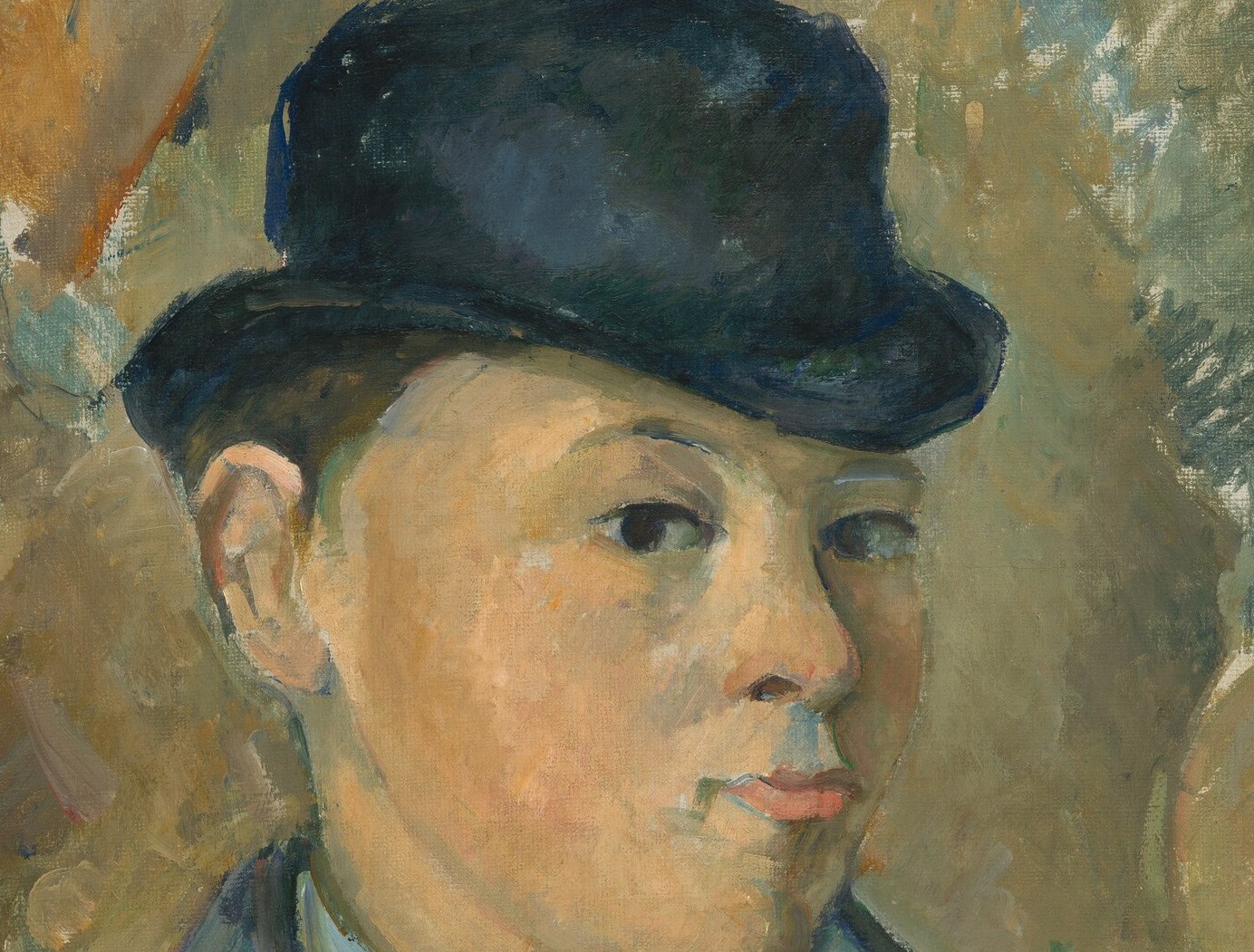
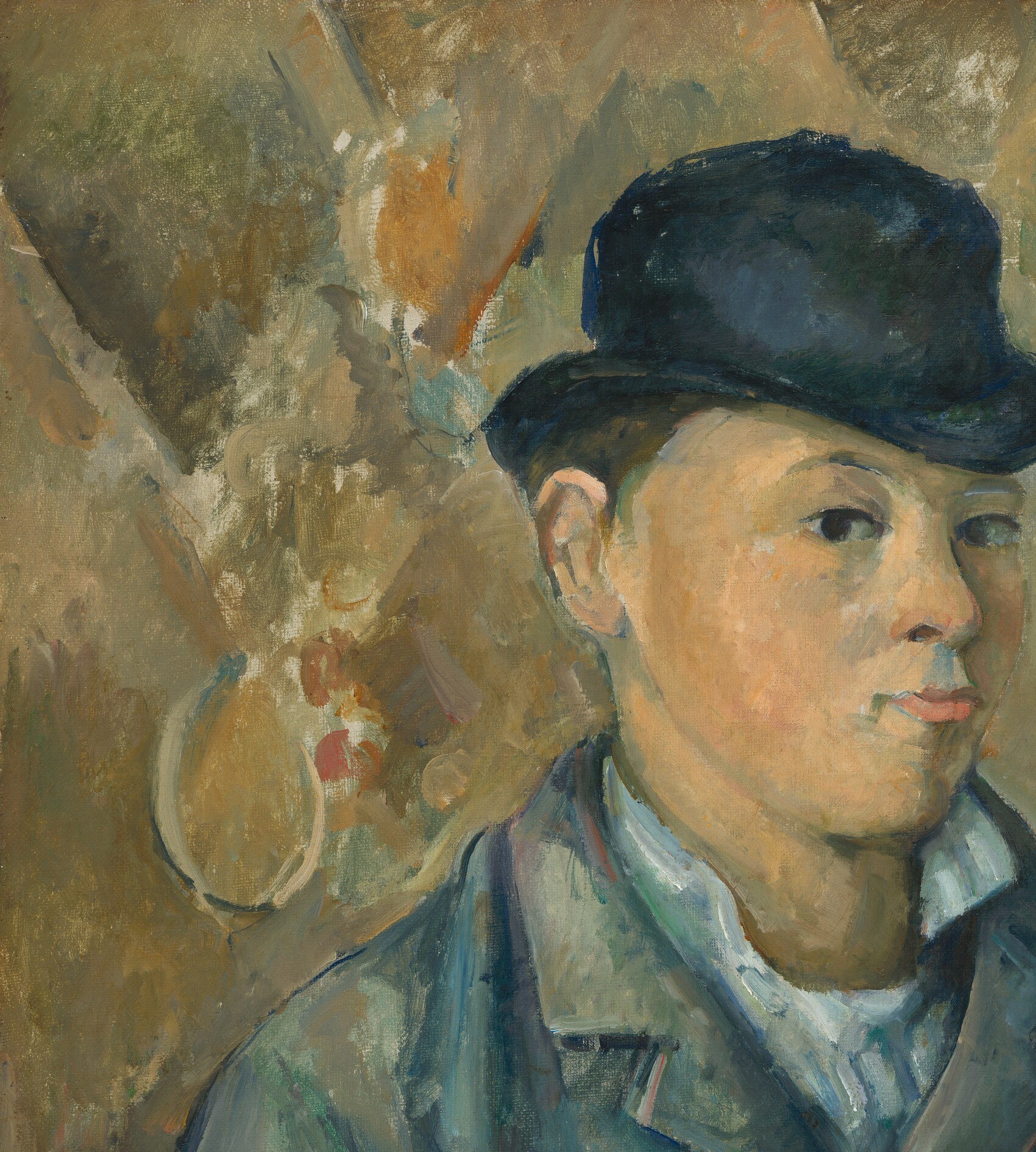
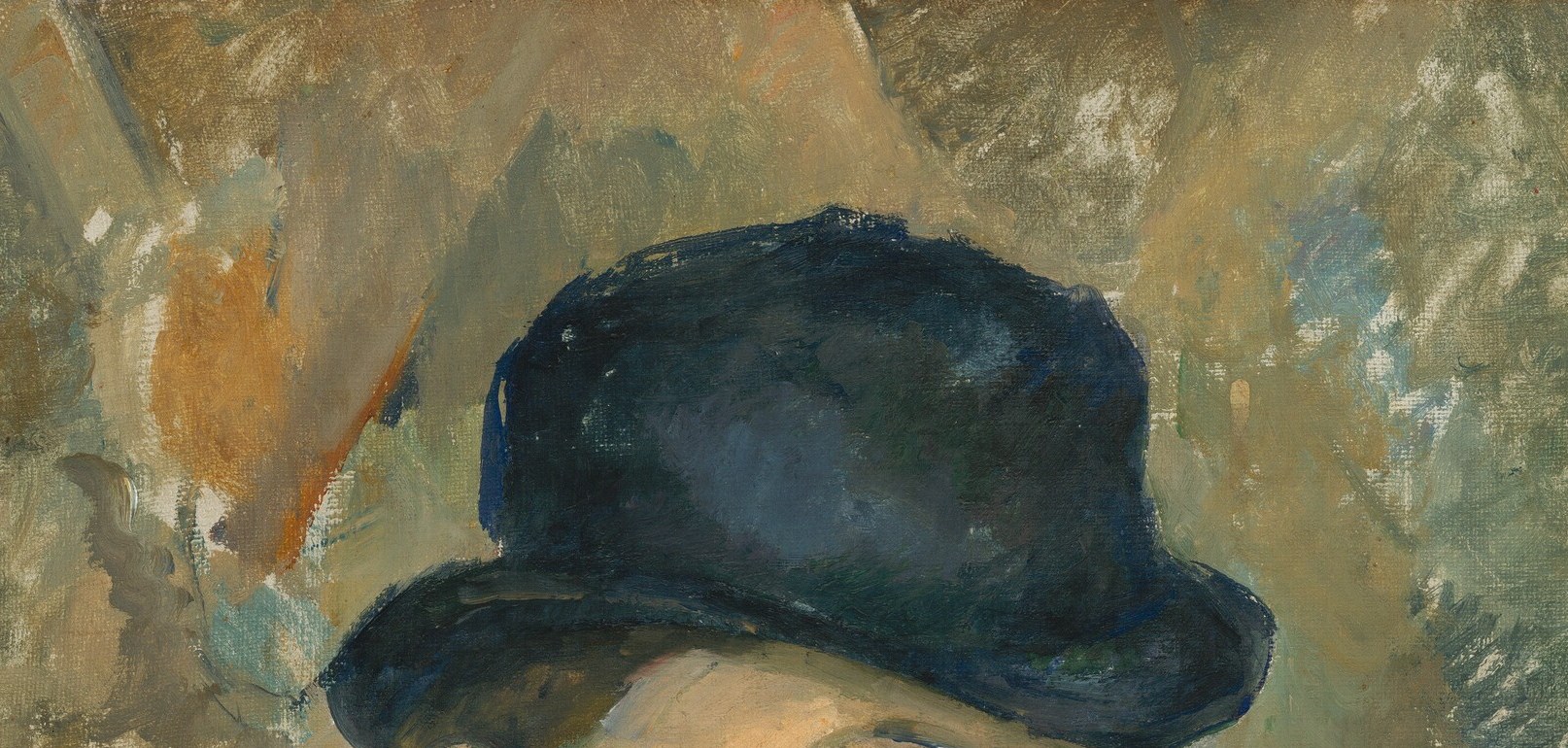
This is 'The Artist's Son, Paul,' painted by Paul Cézanne around 1886. It is not a commissioned portrait, but a deeply private image of the person who knew the artist best: his own child. The boy, also named Paul, sits with the patient, composed expression of someone who has been a studio fixture since birth.
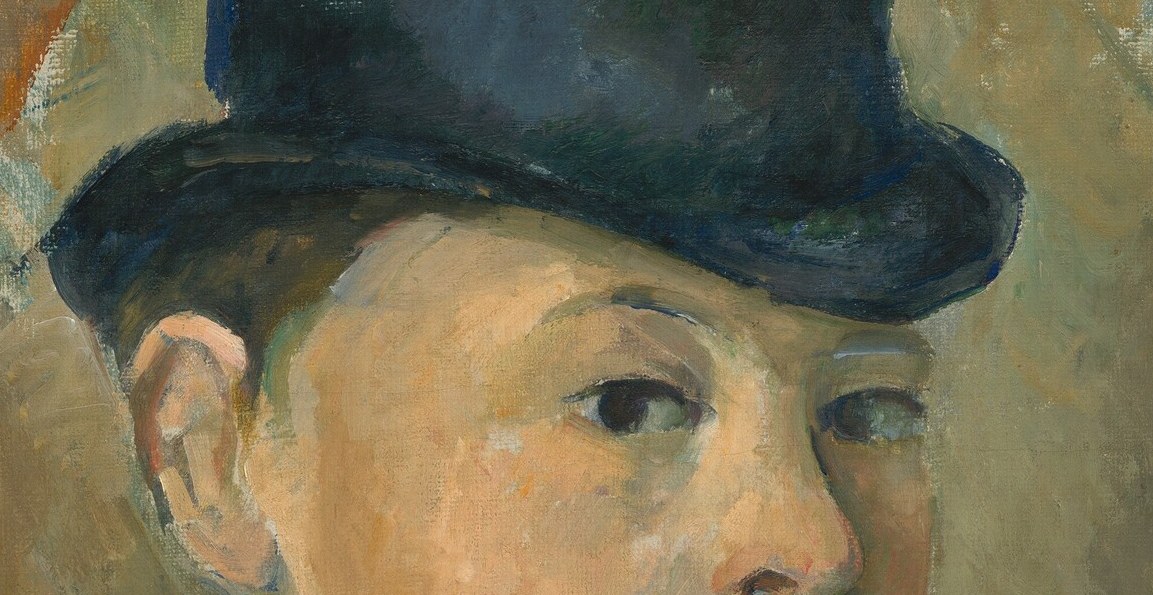
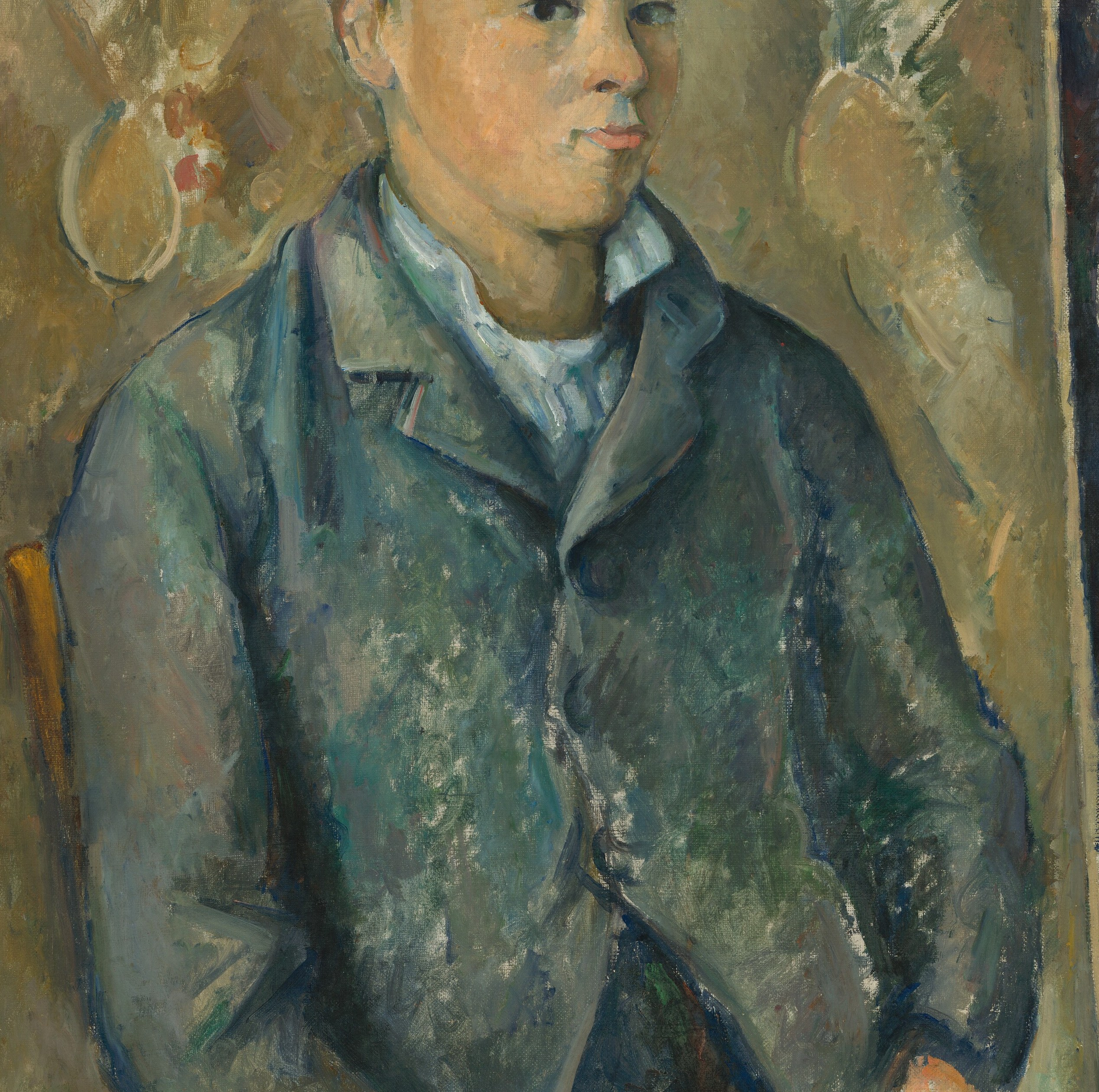
Cézanne builds his son not with soft sentiment, but with the same constructive method he applied to mountains and apples. The blue-grey jacket is a mosaic of flat, directional planes that create volume through color alone. No traditional shading. Above the boy's brow, the shadow of his bowler hat is rendered in cool blue-grey pigment rather than darkened flesh, a quiet refusal of conventional chiaroscuro. The warm, unresolved background hums with energy, perhaps showing the edges of other canvases in the studio.
In 1886, the year this was painted, Émile Zola published L'Oeuvre, a novel whose tormented, failing artist protagonist seemed a cruel caricature of Cézanne. Their lifelong friendship ended in silence. Retreating to Aix-en-Provence, the artist painted his son repeatedly, a familiar face in a year of public humiliation. This portrait is one of several studies Cézanne made of Paul, who became his most reliable and intimate model.
What do you think a child learns about patience, sitting for a father who needed hundreds of sessions to finish a single still life?
Details
Transcript
He is not a regular child in a Sunday suit. He is the painter's son, and he has done this a hundred times. Paul sits for his father Paul, in a quiet room in Provence, 1886. Cézanne was a recluse by then. His oldest friend had just betrayed him in a novel. So he turned inward, to the one face that would never leave. Look at how the jacket is made. No soft shading, just flat planes of blue and grey. This brutal, architectural way of building form would seed Cubism.