Head of a Young Boy by Jean-Baptiste Greuze
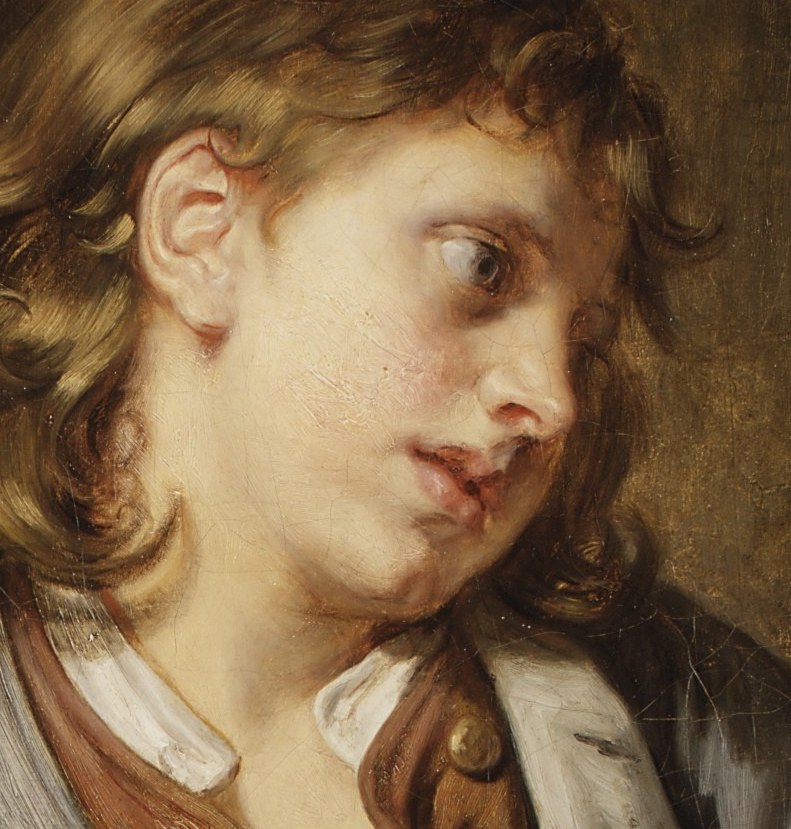
Jean-Baptiste Greuze's "Head of a Young Boy," painted in 1763, showcases the Rococo artist's exceptional ability to render lifelike textures using oil paint. This portrait, held at The Metropolitan Museum of Art, captures a young boy with an arresting gaze that feels remarkably present.
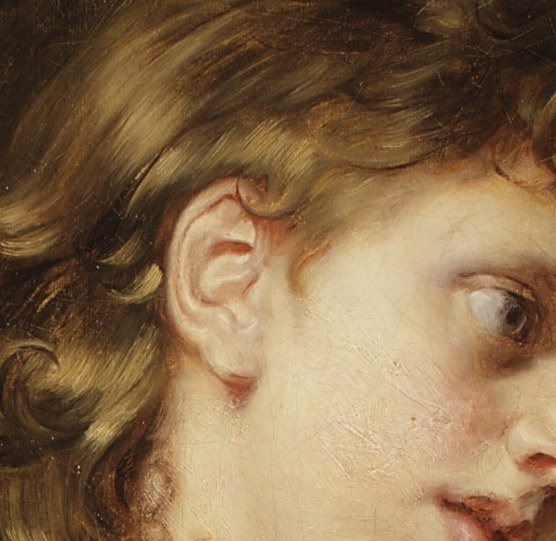
Observe the subtle blush on his cheek, which Greuze achieved through thin, delicate layers of color. This technique brings a soft, living quality to the skin, making it appear almost translucent. The same mastery is evident in the boy's curly hair, which seems to possess movement and natural flow.
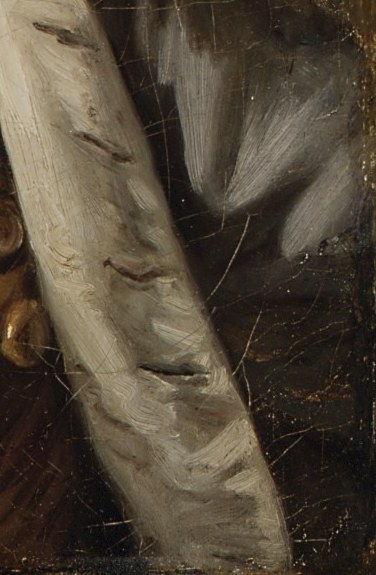
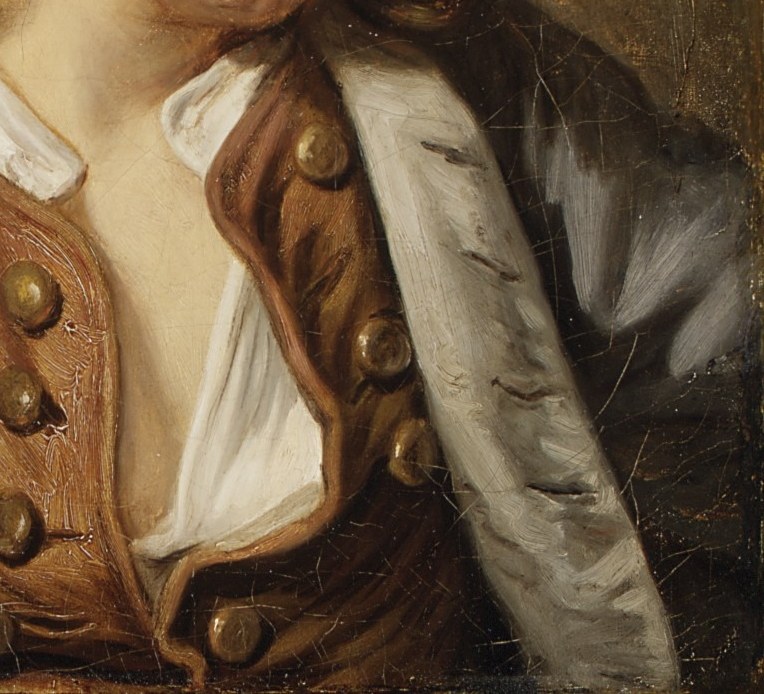
Greuze was highly regarded for his skill in rendering various textures, from soft skin to the weave of fabric. His approach to painting the boy's jacket, with visible brushstrokes creating depth and texture, further demonstrates this talent. The way light plays across the gold buttons adds a final touch of realistic detail, making the painted surfaces almost tangible.
How do you think he managed to make simple paint look so soft and real?
Details
Transcript
This young boy's gaze feels utterly alive. Look closely at his cheek, the blush is just paint. The painter built up layers of color, thinly applied. This method gives his skin a soft, living quality. Even his curly hair seems to move and flow. Greuze was known for his astonishing textures in paint. His jacket’s texture is also just painted strokes. The light catches these gold buttons, a final flourish.