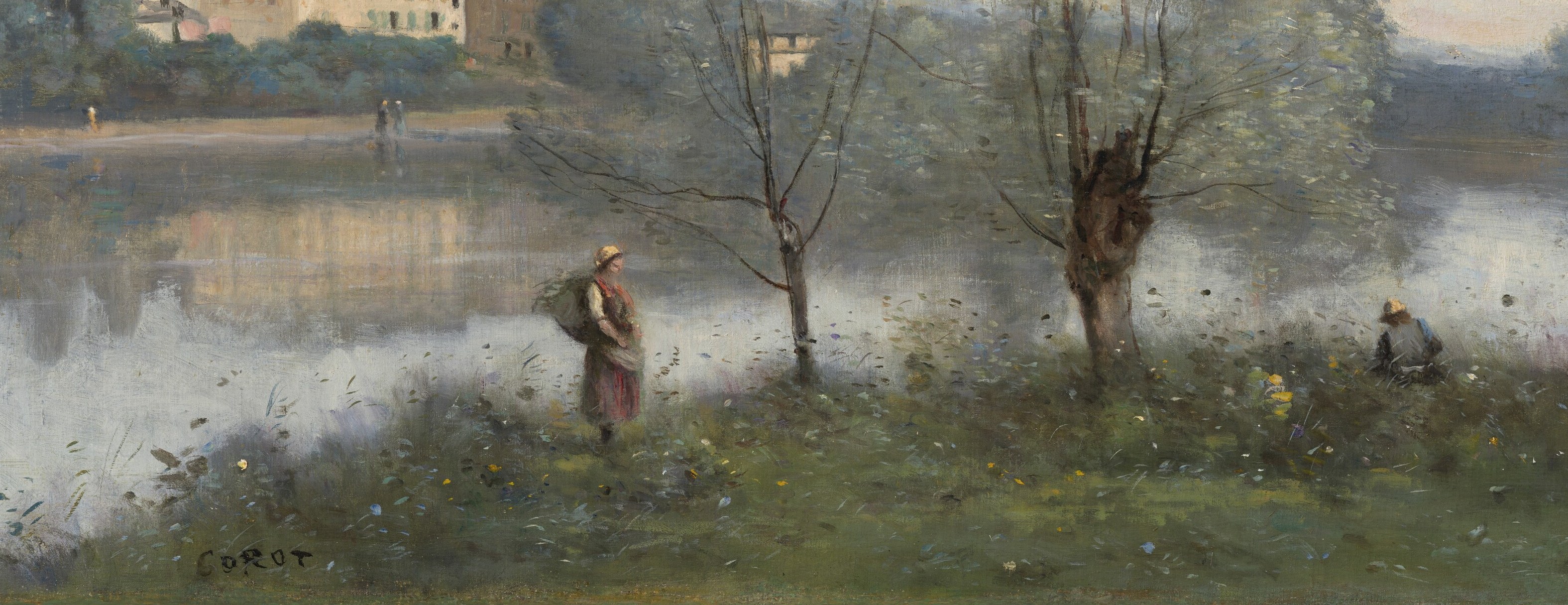
Ville-d'Avray by Corot, Jean-Baptiste-Camille
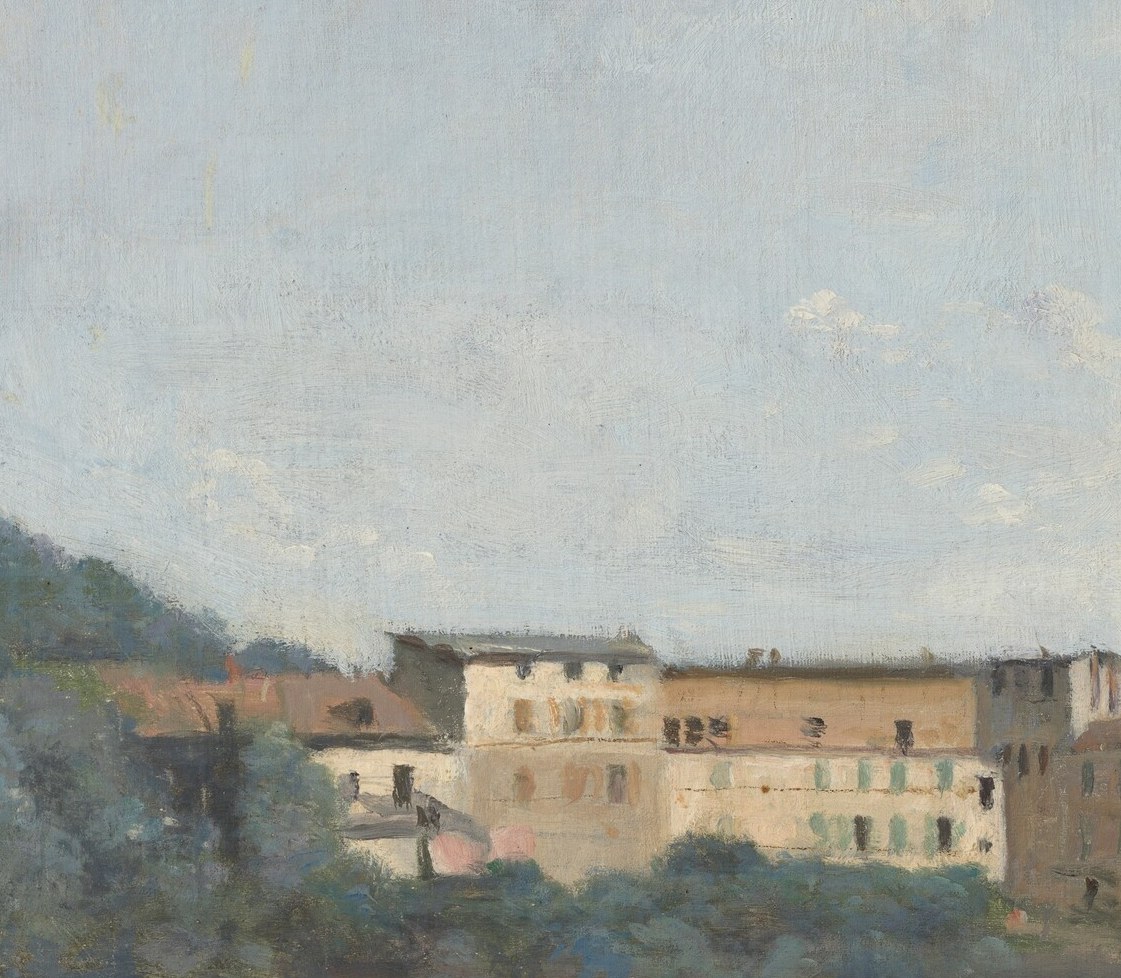
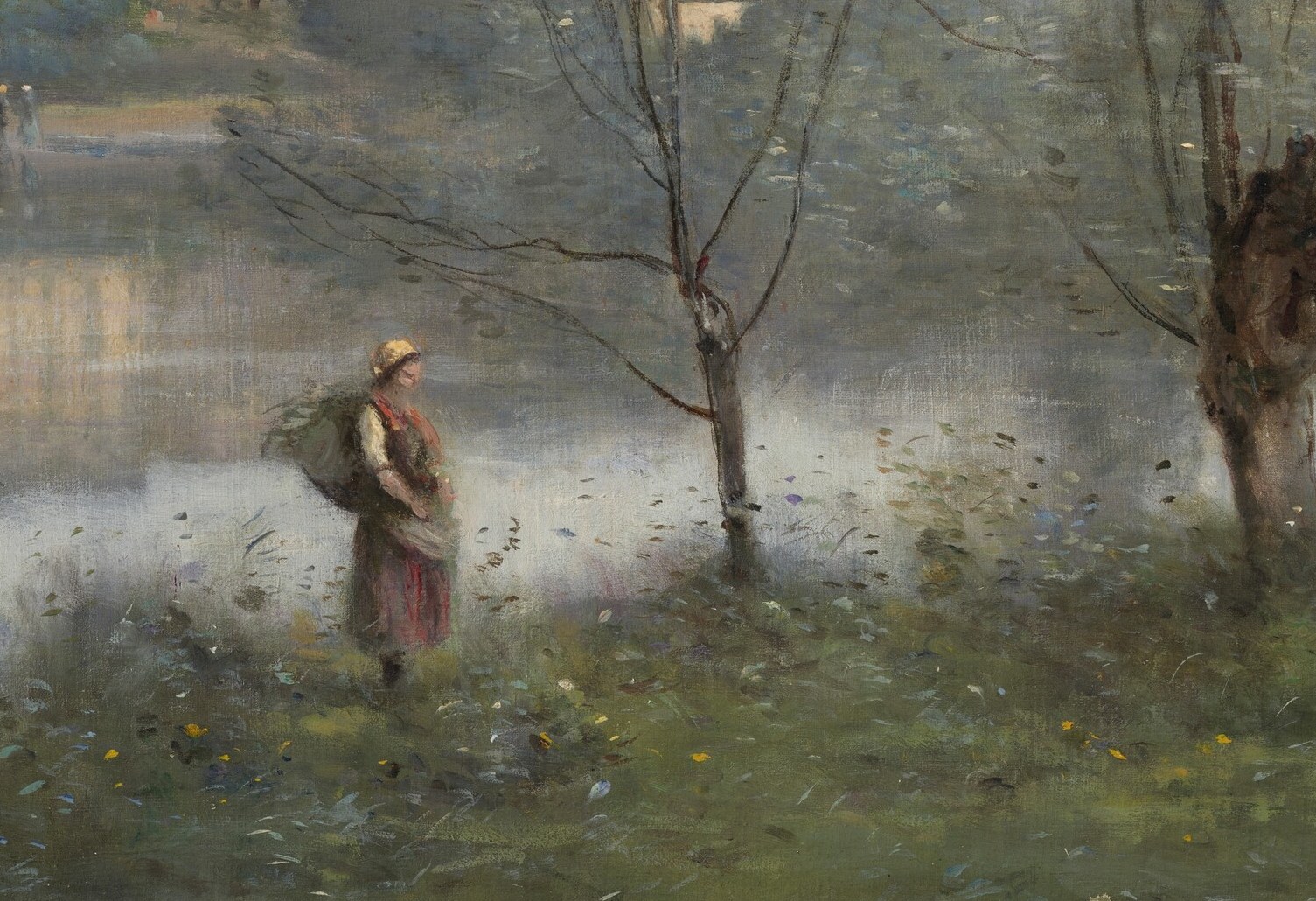
At first glance, this is a landscape of pure tranquility. Corot's 'Ville-d'Avray,' painted around 1865 and now in the National Gallery of Art, shows the village where the artist kept a studio and escaped the pressures of Paris.
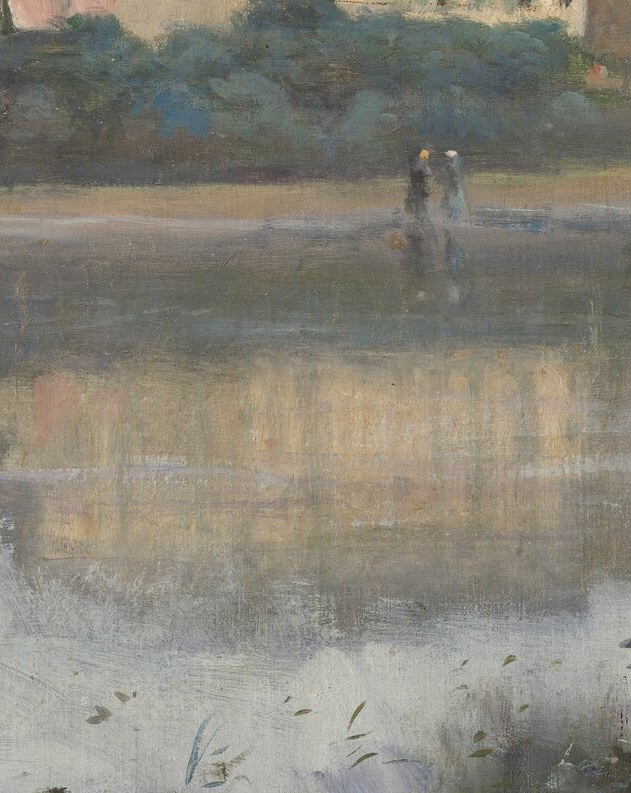
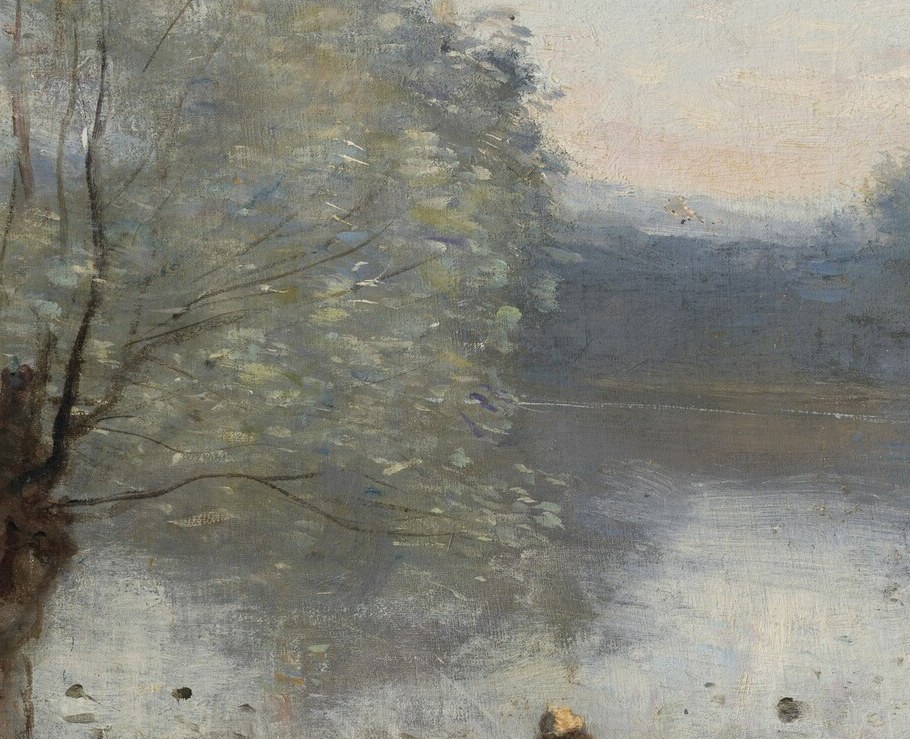
Corot renders the scene with a proto-Impressionist eye. See how the reflections of the trees in the still pond are painted softer and slightly warmer than the real trees above. This was not guesswork; it was a careful observation that reflected light loses information and shifts in temperature. The dappled light catching the upper canopy is one of the few warm notes, pulling the eye across the silver-green composition.
But this gentle place held a bitter secret. When Corot died in 1875, the Paris art establishment awarded him a posthumous gold medal. His close friend and fellow painter Charles Daubigny, who had defended the Impressionists and changed the course of French painting, waited for the same honor. The jury, stacked with conservatives who resented Daubigny's progressive stance, denied him. The snub was so public and so cruel that it clouded the memorial ceremonies of the nation's most beloved painter.
A landscape built on stillness and unity masks the real ugliness that can unfold in the art world, even at the feet of a master.
Details
Transcript
It looks like a perfect, peaceful refuge. The artist built his studio behind that pale villa. His name was Corot. He was France's most beloved painter. Look at the tree reflections on the water. He painted them softer than the trees above. When Corot died, the city of Paris honored him with a gold medal. His closest friend, Charles Daubigny, waited to receive one too. He got nothing. The jury snubbed him completely.