Still Life by Christopher Paudiß
Christopher Paudiß, a student of Rembrandt, painted this "Still Life" in 1660. Now held at the State Hermitage Museum, it's a quiet testament to the Dutch Golden Age tradition.
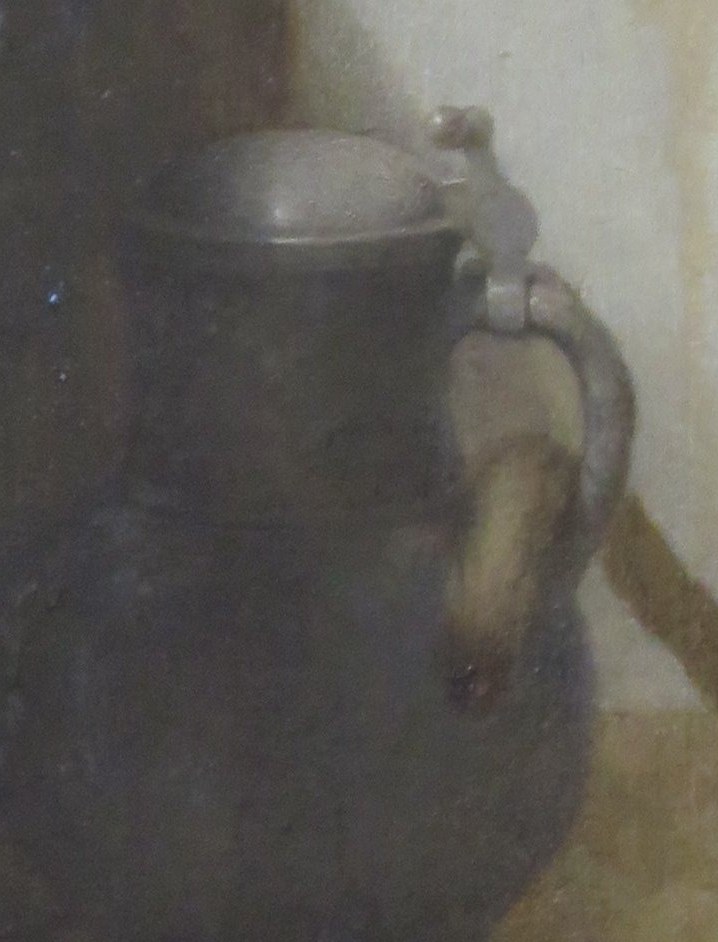
At first glance, it's a simple arrangement of everyday objects: hanging onions, a dark pitcher, and a smoking pipe. But like many works of its time, it rewards a closer look.
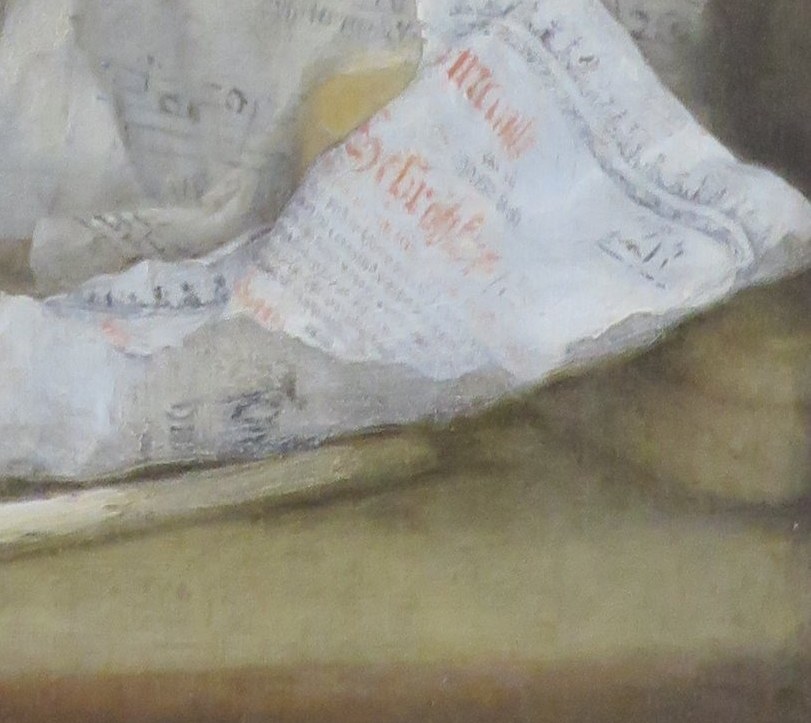
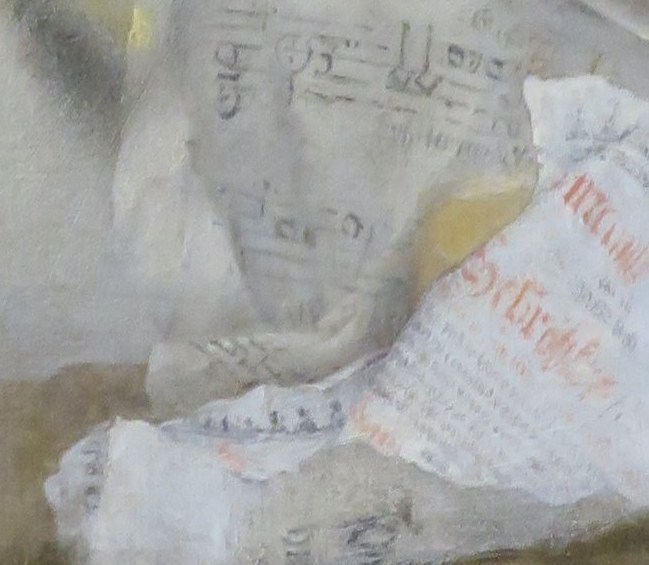
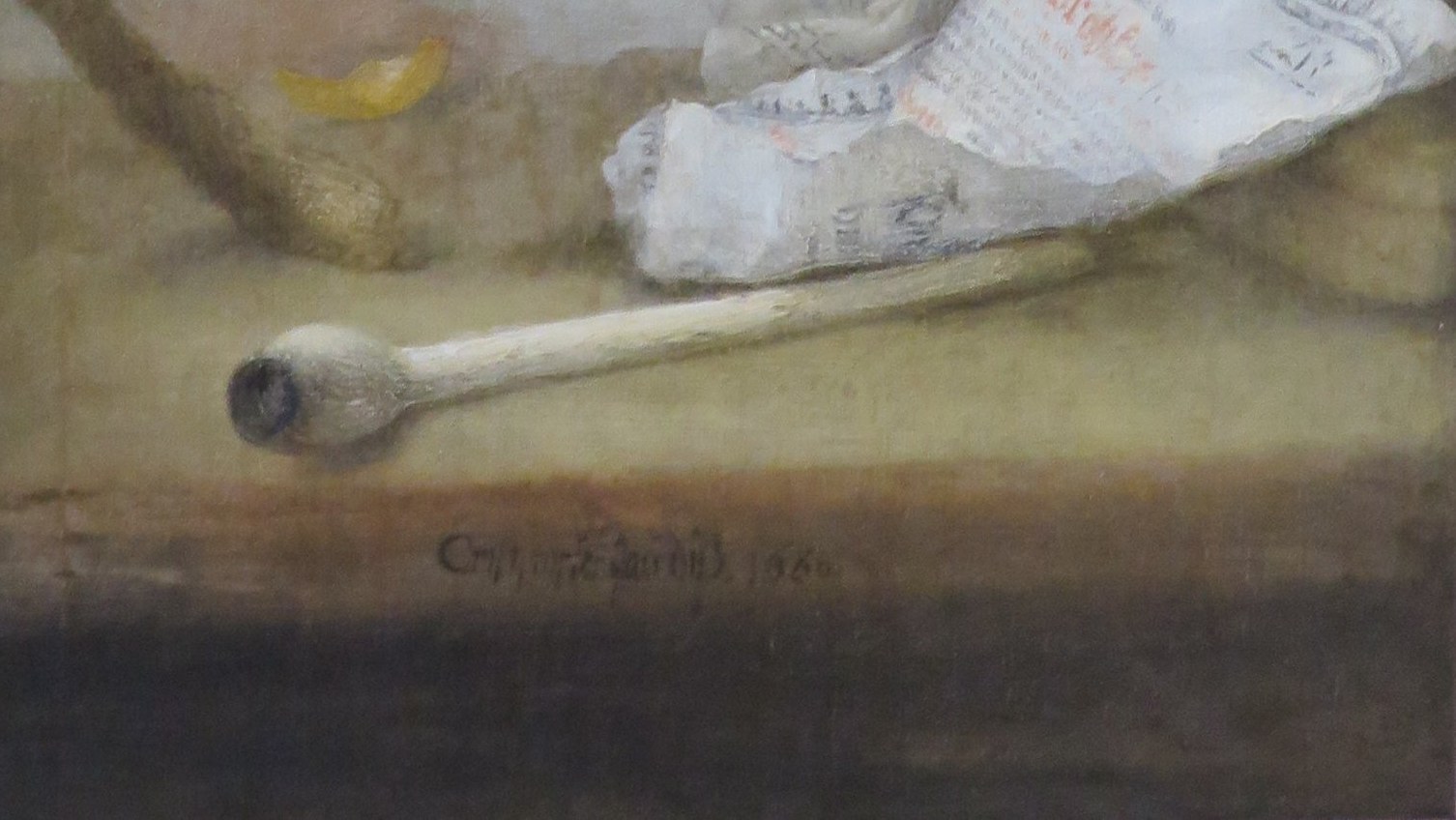
Paudiß subtly integrated his signature and the date, 'C. Paudiß 1660', into the muted background. Even more intriguing is the crumpled paper on the wooden tabletop, which reveals a piece of musical score upon inspection. This detail adds a layer of cultural depth to an otherwise humble scene.
What hidden details do you think often go unnoticed in paintings?
Details
Transcript
This quiet still life hides a secret in plain sight. It was painted by Christopher Paudiß, a student of Rembrandt. He dated his work, faintly, in the upper right corner. Now look closely at the crumpled paper on the table. It contains a piece of musical score.