Daniel Webster by Lambdin, James Reid
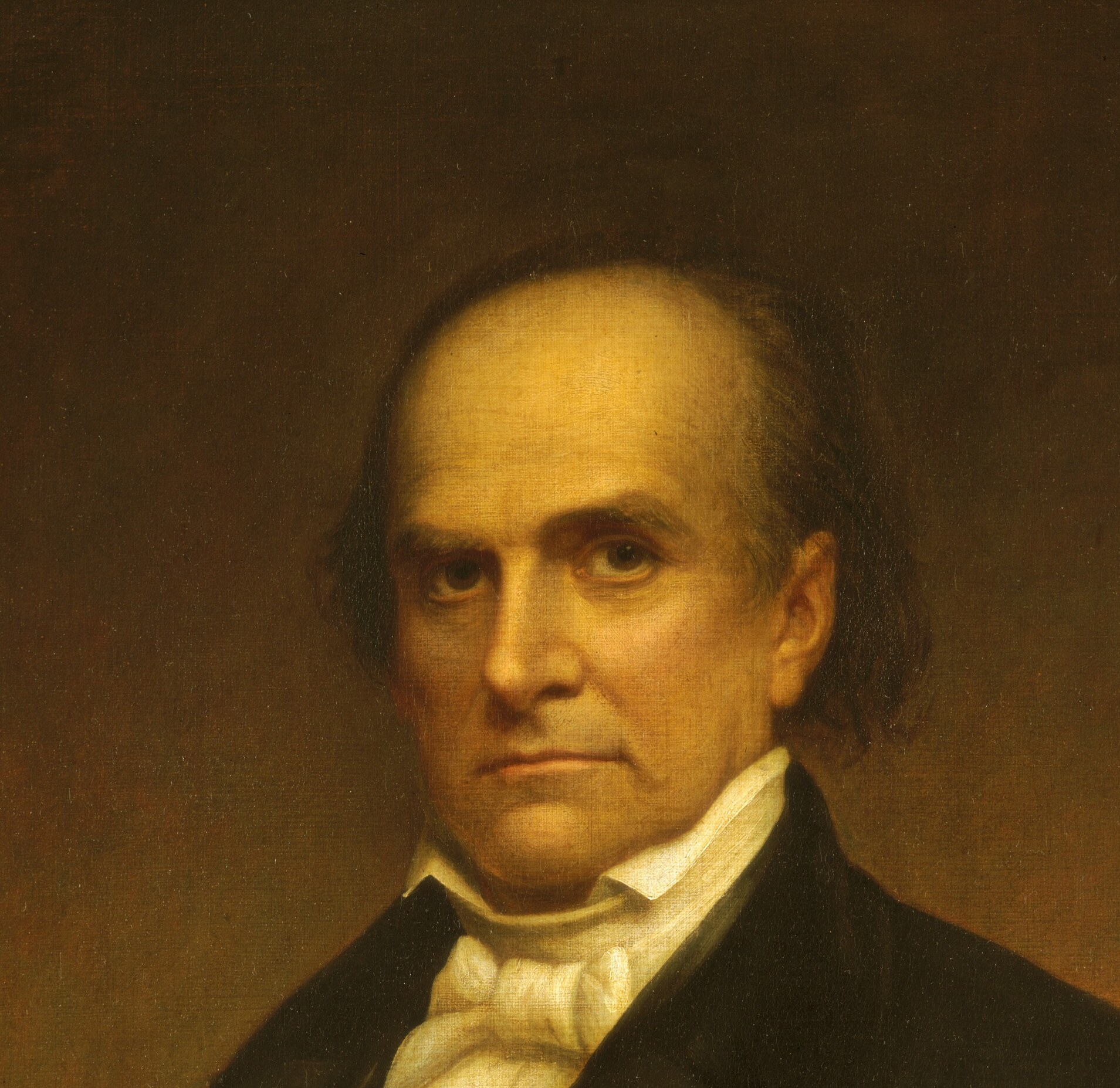
This is James Reid Lambdin's portrait of Daniel Webster, painted around 1850. It belongs to a strange American tradition: the reputation-repair portrait. By the time Webster sat for this, he had just thrown his support behind the Fugitive Slave Act of 1850, a law that compelled Northern citizens to assist in the capture of escaped enslaved people. Boston, his home base, was furious. Webster was branded a traitor to New England and to conscience. His final grasp at the presidency evaporated.
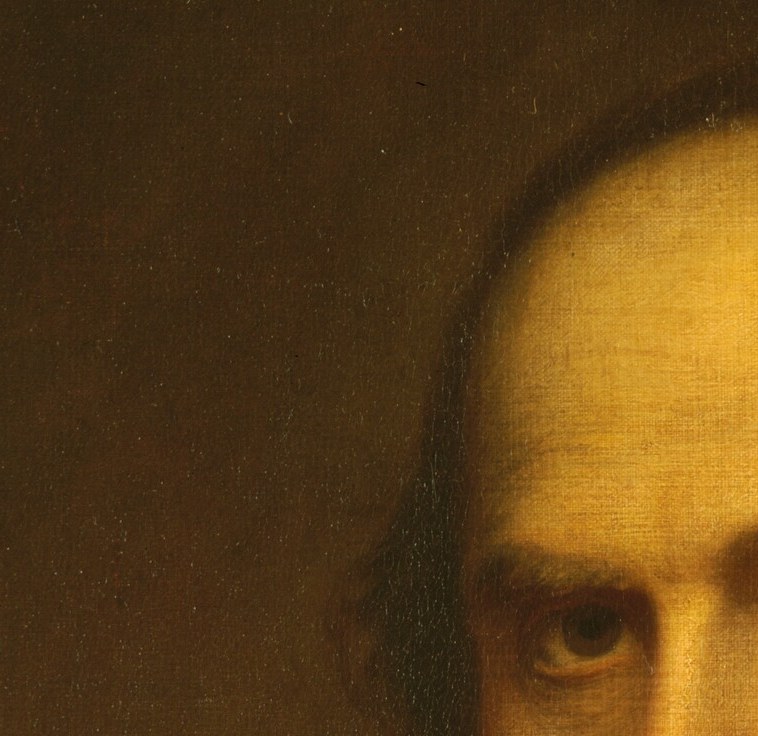
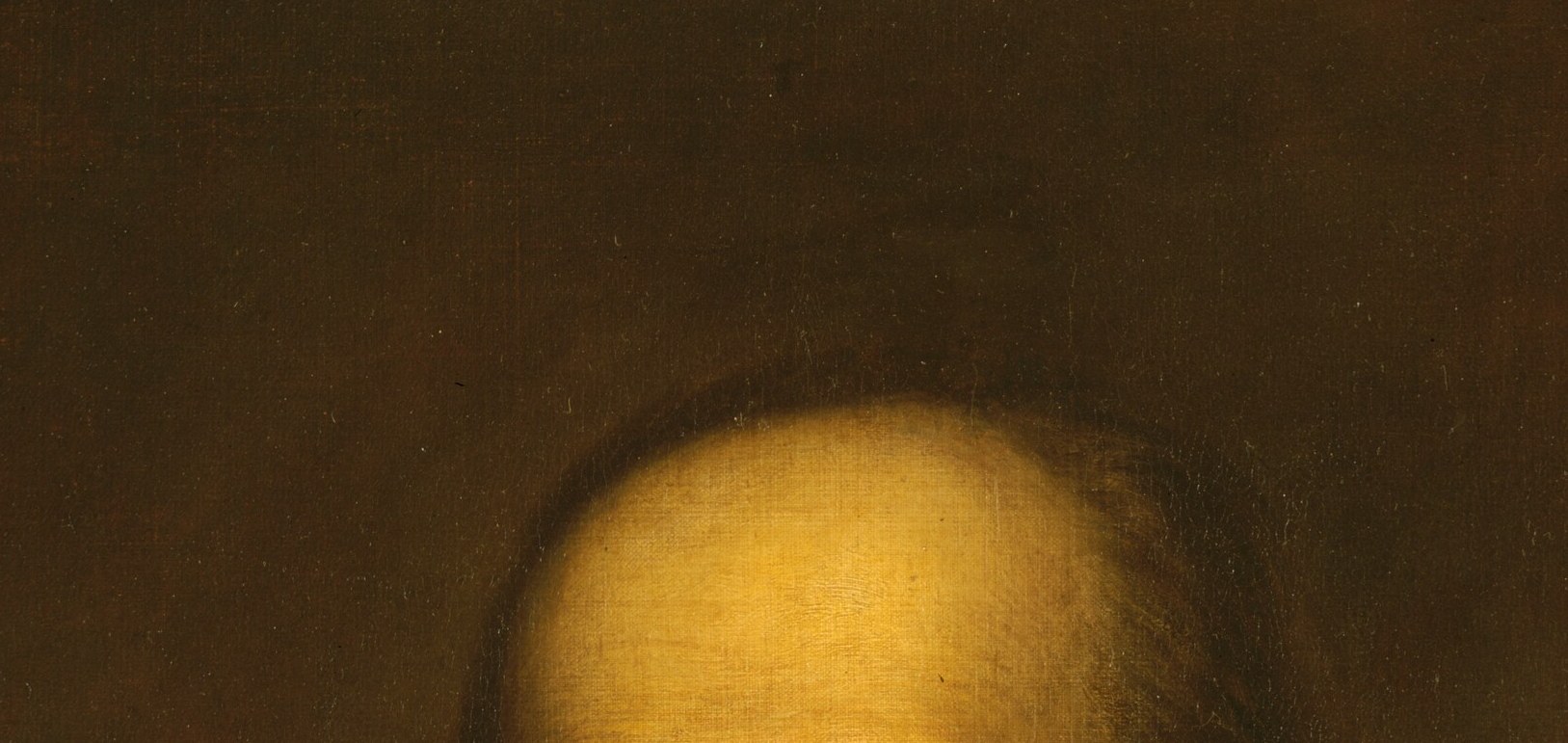
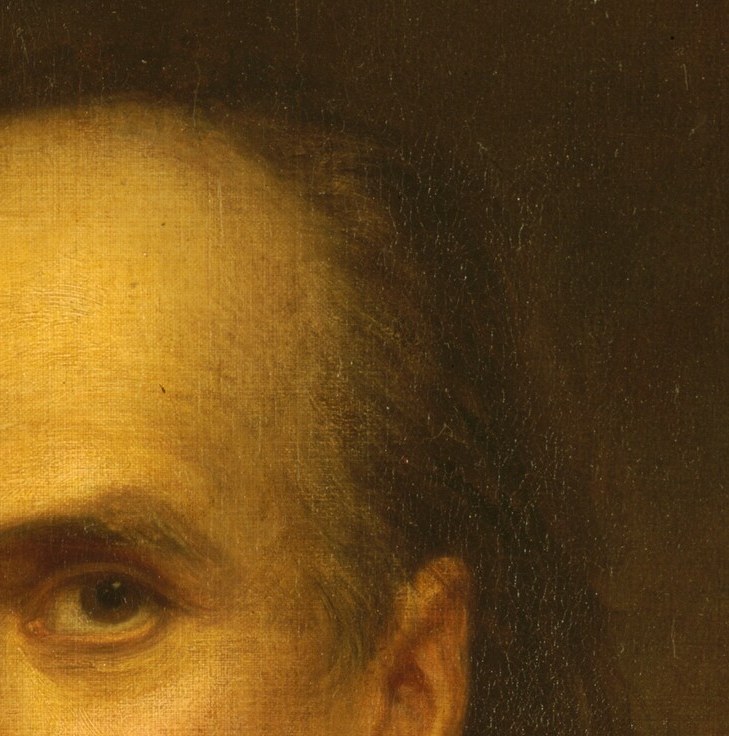
Look at how Lambdin manages the face. The brow is heavy, the jaw firm, the mouth set. There is no warmth here. The direct, almost confrontational gaze was calculated to project rectitude rather than likeability. The forehead is the key, Webster's high, domed forehead was a real physical feature, but Lambdin spotlights it deliberately. In 19th-century physiognomic convention, a forehead like that meant intellect and moral clarity. The portrait argues visually what Webster's allies could no longer argue politically.
A committee of Boston Whigs, still loyal to Webster, commissioned the painting. They paid for it, not Webster. The artist, James Reid Lambdin, was a Philadelphia-based portraitist who ran the Pennsylvania Academy of the Fine Arts and had painted nearly every President from John Quincy Adams onward. He was an establishment choice, someone whose brush carried institutional weight. This was meant to hang where power gathered and remind people that Webster was still a figure of substance.
Webster died two years later, in 1852. The portrait did not save his career, but it succeeded in fixing a certain version of his face in the American memory. When people imagine Webster today, the orator, the statesman, the man who said 'Liberty and Union, now and forever', they are often picturing this painting.
Details
Transcript
By 1850, Daniel Webster had wrecked his political career. He backed the Fugitive Slave Act. The North called him a traitor. His allies needed an image that said gravity, not disgrace. So a committee of Boston Whigs commissioned this portrait. They chose James Reid Lambdin, a known hand for official likenesses. He posed Webster with this severe brow and locked, direct gaze. The forehead was already famous. Lambdin lit it like a monument.