Madonna and Child with Angels by Botticelli, Sandro
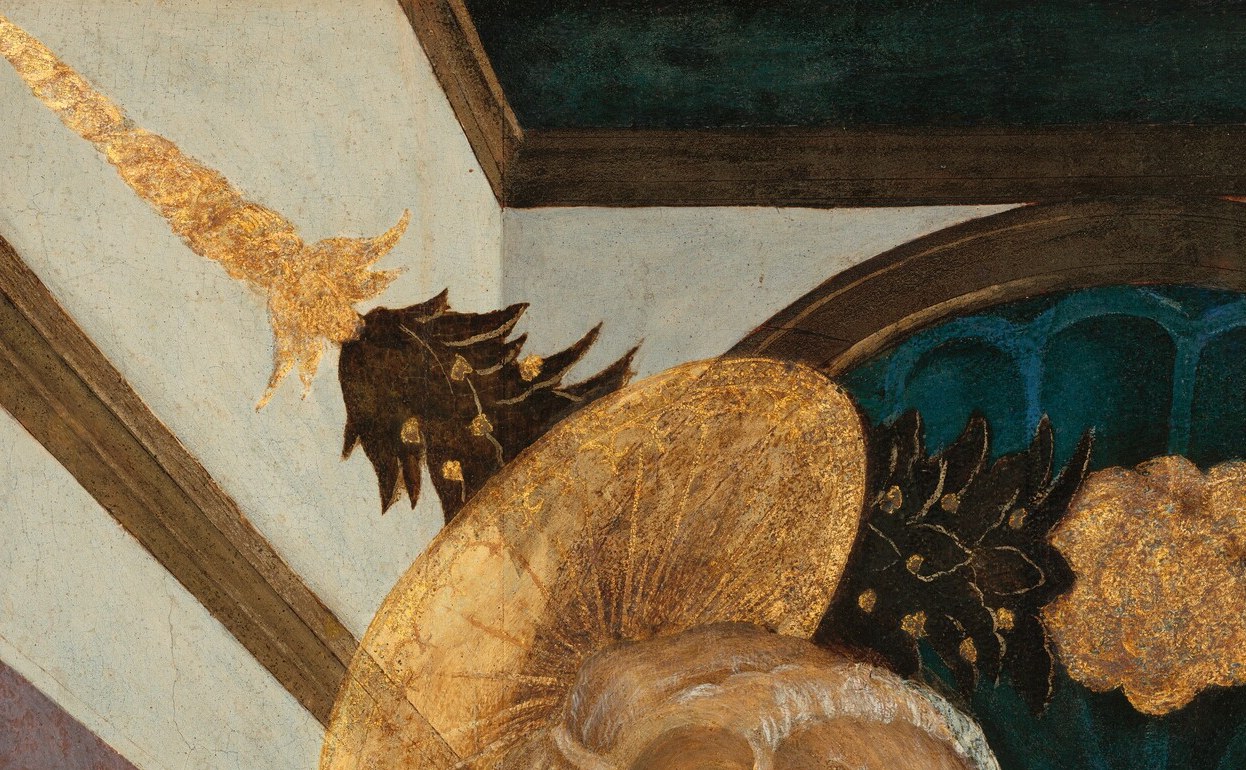
Sandro Botticelli's Madonna and Child with Angels, painted around 1468 and held at a major museum, is an early and intimate devotional work. This masterpiece in oil and tempera on a poplar panel showcases Botticelli's skill in rendering tender human connection within a sacred context.
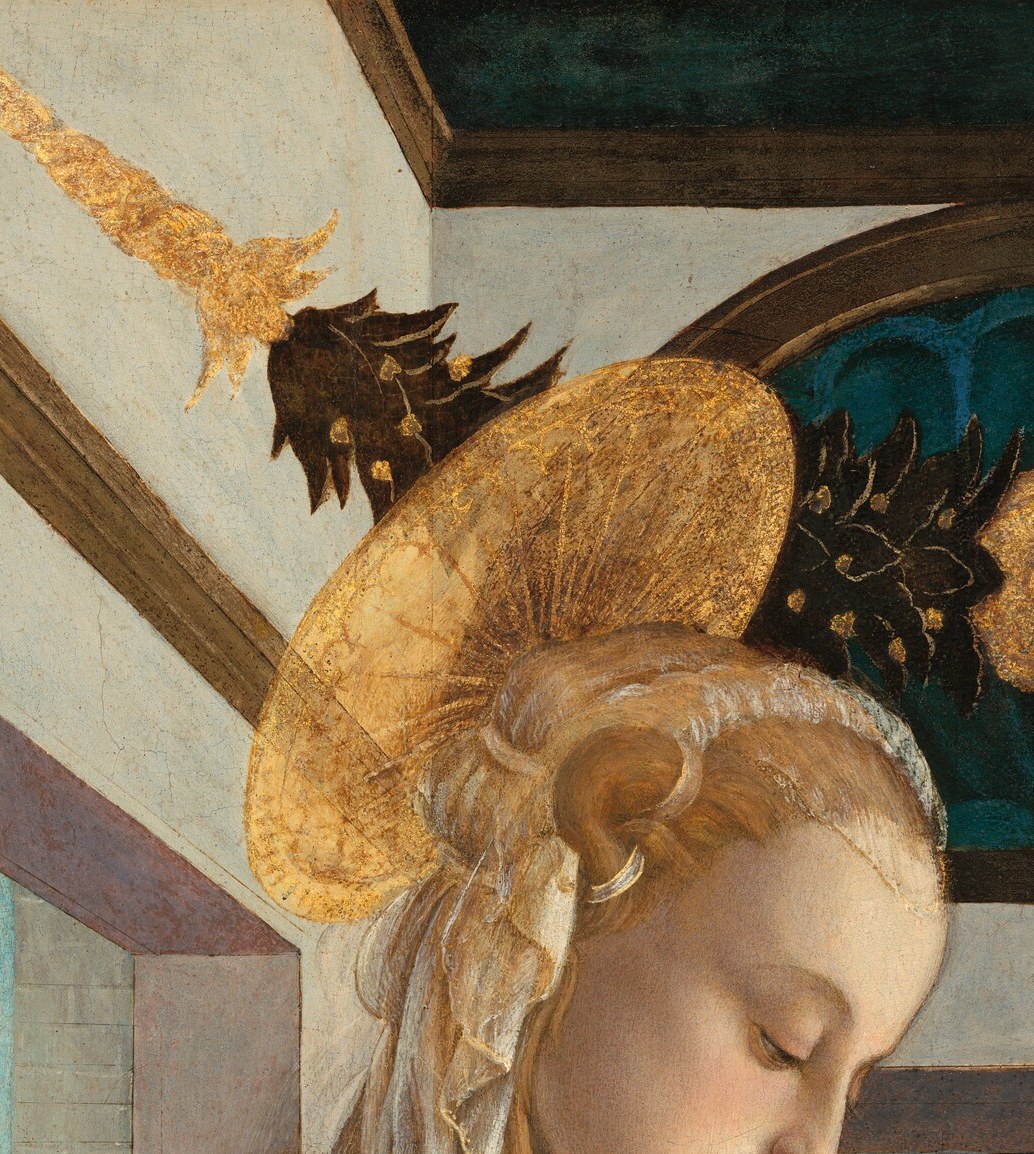
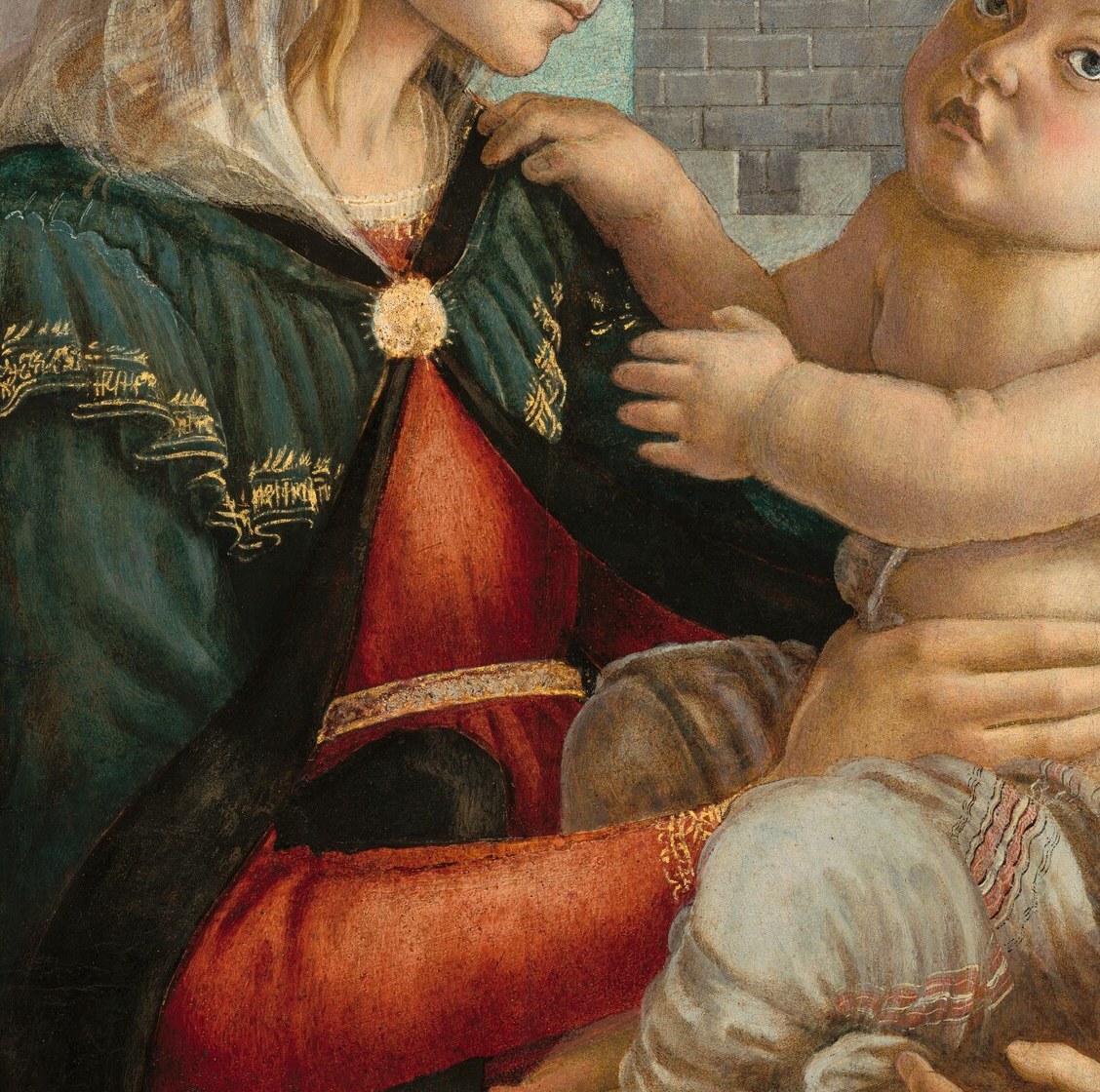
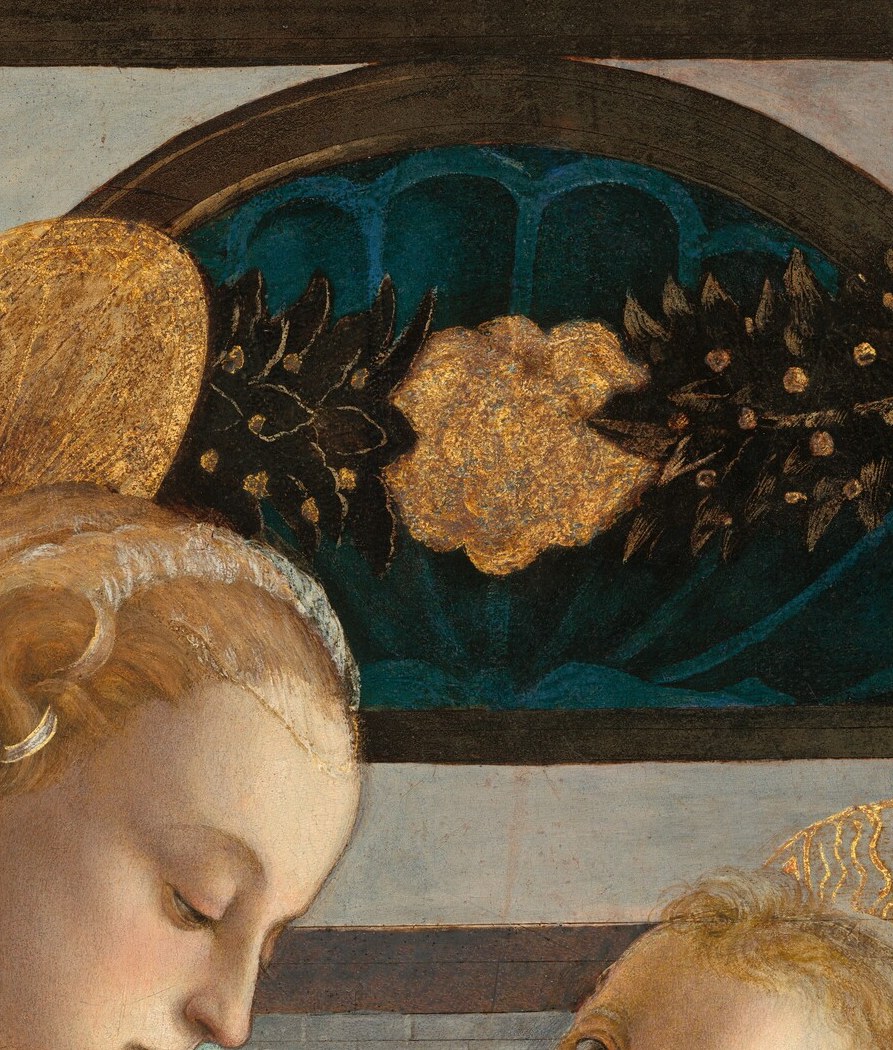
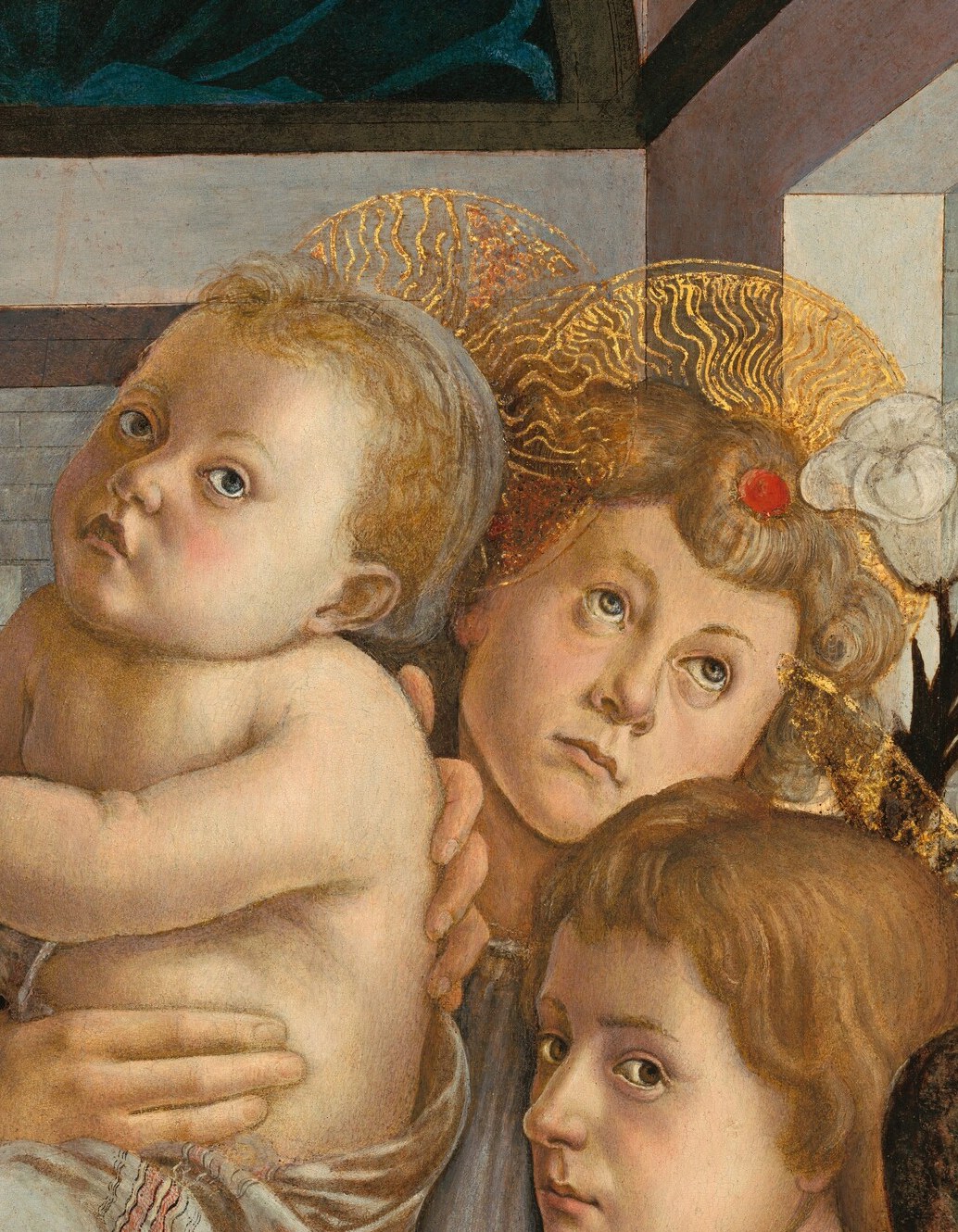
Observe the contrasting gazes: Mary looks downward, her expression one of maternal contemplation. Her hands, joined with an angel's, gently support the Christ Child. Yet, the infant Jesus looks directly out from the canvas, engaging the viewer in a rare and powerful compositional choice.
This painting exemplifies Botticelli's early style, where he began to develop the delicate features and flowing drapery that would later define his iconic works like *The Birth of Venus*. His use of vibrant colors, even after centuries, speaks to his masterful technique with egg-based tempera paints.
Botticelli, a Florentine painter, was known for his ability to bring dramatic stories to life, from myths to religious narratives. What do you see in the Christ Child's outward gaze?
Details
Transcript
This Botticelli painting, created around 1468, is devotional. The Virgin Mary looks downward, lost in maternal thought. Her hands gently cradle the Christ Child's body. But the Child looks out, directly at us, the viewers. This rare gaze connects the sacred to our world. The angel's serene face echoes Mary's quiet reverence.