Still Life with Rayfish by Chaïm Soutine
Chaïm Soutine's *Still Life with Rayfish*, painted in 1923, is a powerful example of the artist's Expressionist style. Housed at The Cleveland Museum of Art, this oil painting showcases his unique approach to subject and texture.
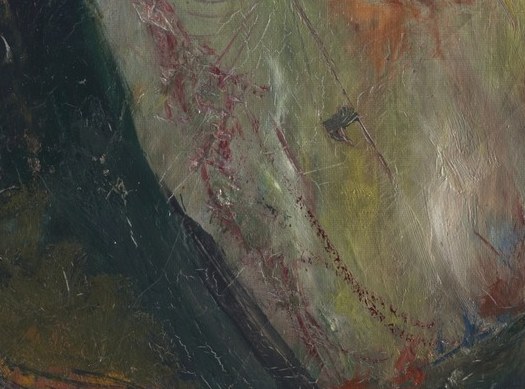
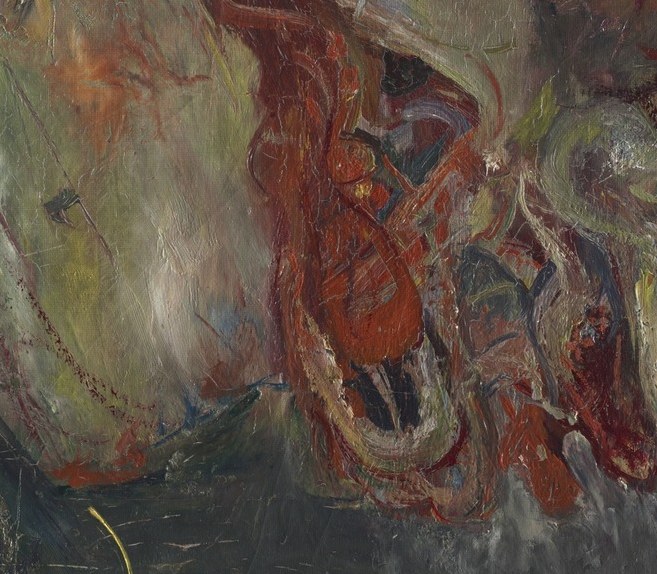
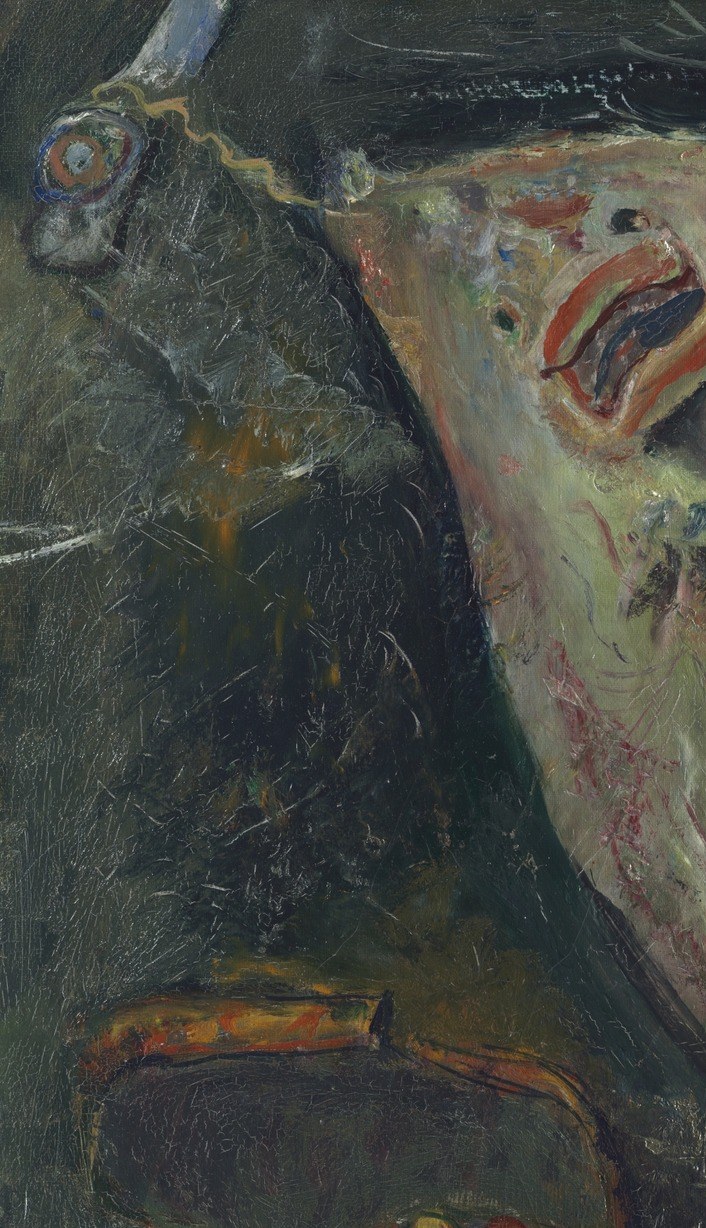
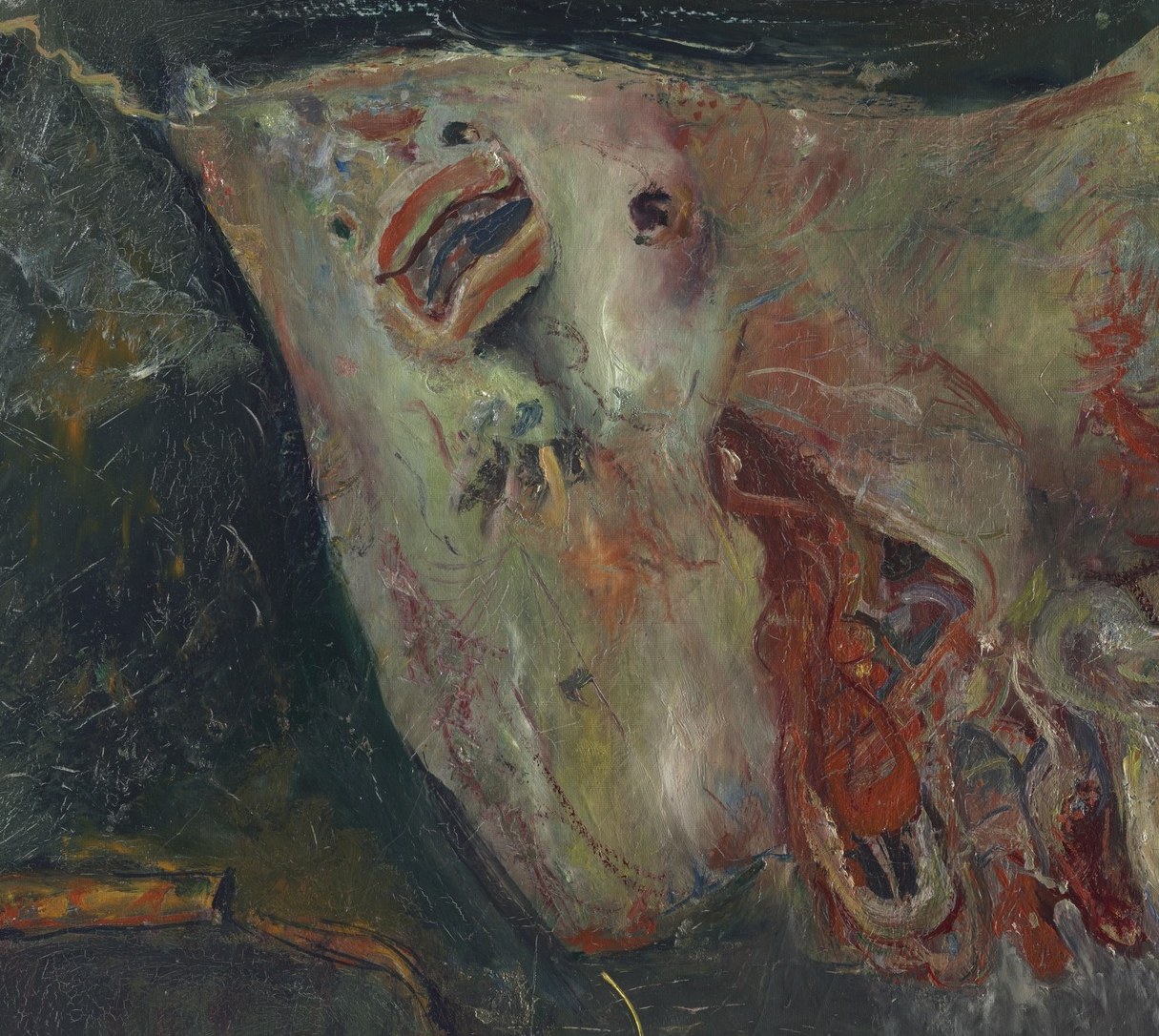
Notice the dramatic impasto and the thick, expressive brushstrokes, particularly visible in the rendering of the carcass. Soutine wasn't aiming for strict realism, but rather to convey the emotional and physical essence of his subjects through shape, color, and texture.
Soutine, a Belarusian-Jewish painter of the School of Paris, drew inspiration from European masters like Rembrandt and Chardin. Yet, he developed a highly individual style that emphasized the tactile presence of paint, serving as an important link between traditional art and the emerging Abstract Expressionism.
His work challenges viewers to look beyond literal representation and engage with the raw emotion and physicality of the painting itself. What do you see in Soutine's brushwork?
Details
Transcript
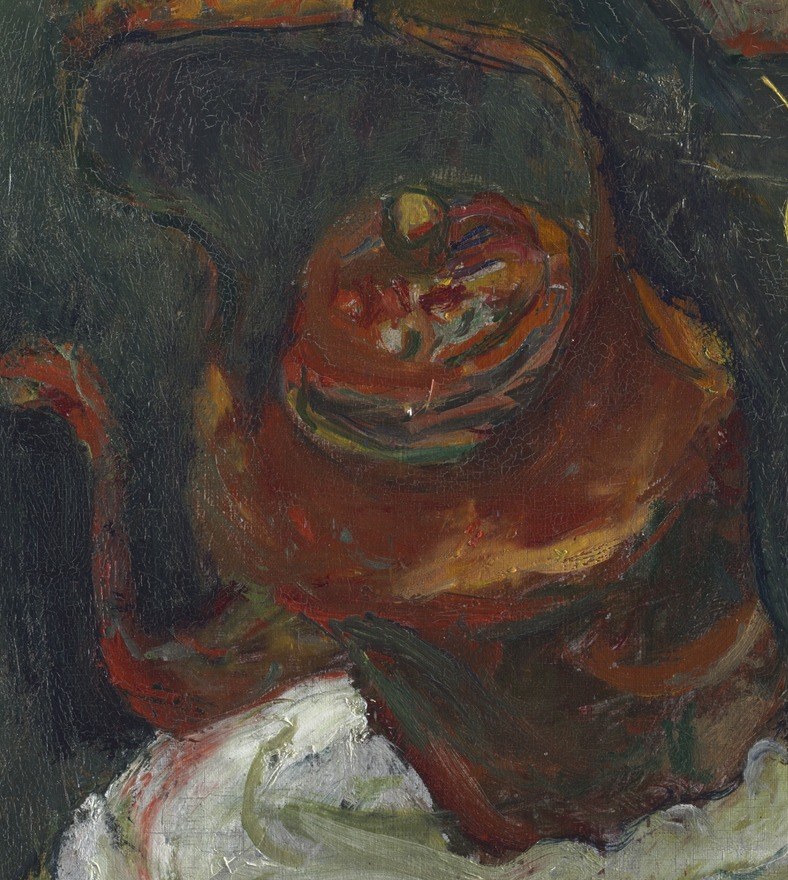
This painter was obsessed with the physicality of things. He used thick impasto, building up layers of paint. His brushstrokes created a raw, textured surface. Even a simple teapot shows this vigorous approach. He was inspired by old masters, but forged his own style. A bridge between tradition and abstract expressionism.