The Presentation in the Temple by http://www.wikidata.org/.well-known/genid/629f7e3f108990c57a3647355fedeec8
This tempera painting, "The Presentation in the Temple" from around 1500 by an artist of the Italian School, housed at the [Museum Name, if known, or 'a private collection'], depicts a significant biblical event: the Presentation of Jesus at the Temple. This ritual of purification and dedication was a key moment in Christian tradition.
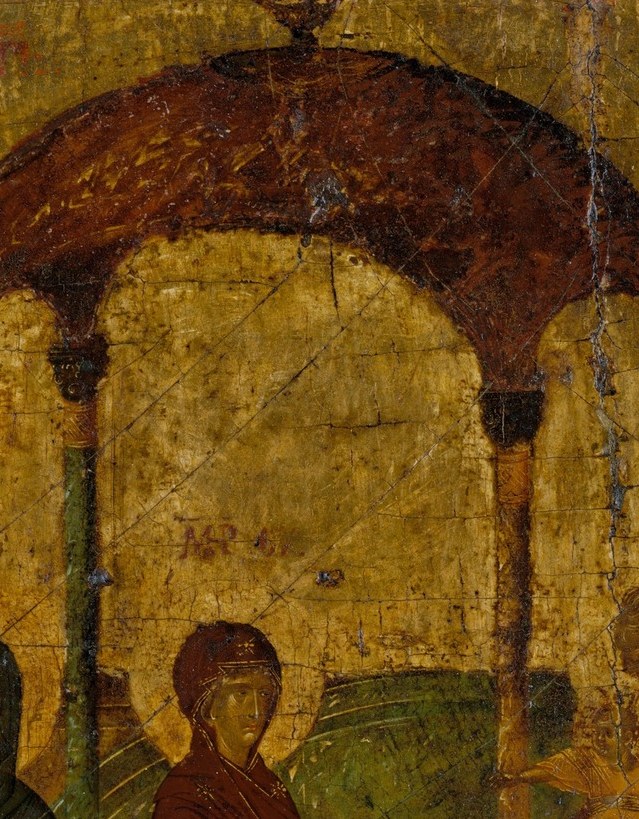
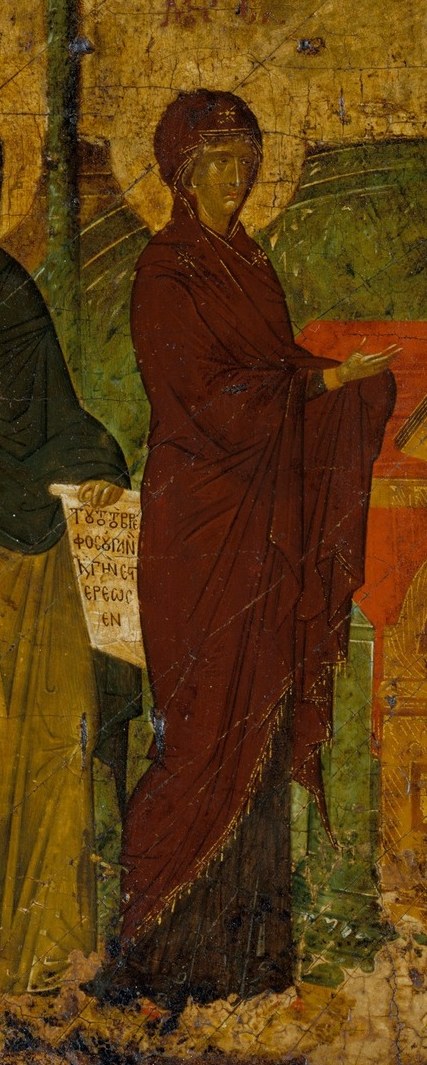
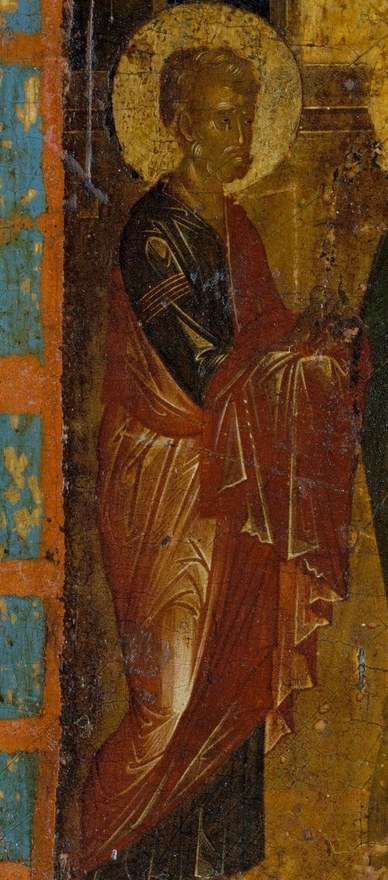
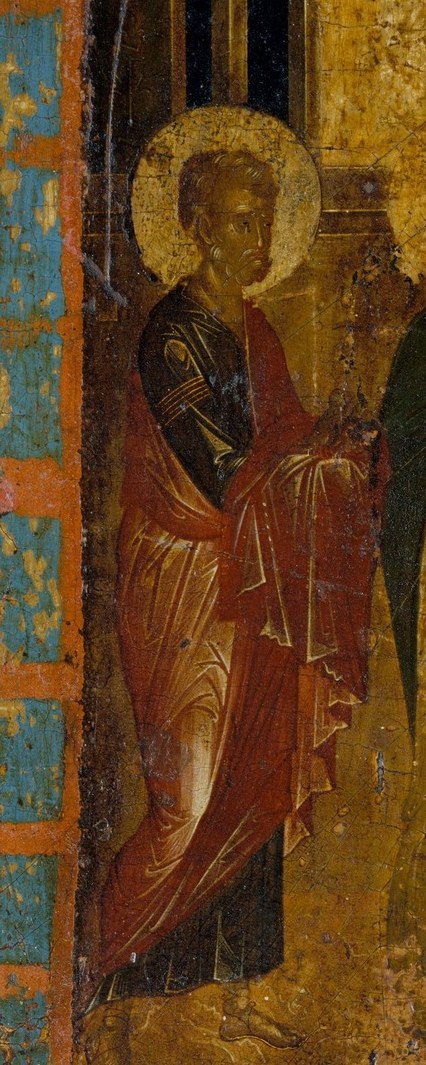
The artwork centers on two women, one with a halo, presenting an offering, likely a child, to a man who receives it. Other figures, some with halos, and one holding a book, underscore the deep scriptural importance of the scene. The architectural setting suggests a sacred, temple-like space.
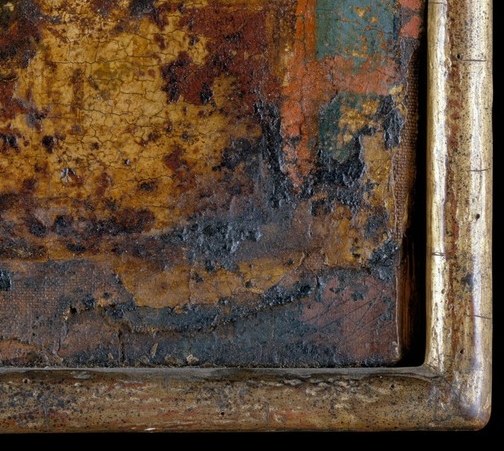
Painted in tempera with an earthy palette of reds, golds, and greens, the painting shows its considerable age. Visible paint chipping and a subdued color scheme are not flaws, but rather a testament to its long history and journey through time, enhancing its ancient and devotional character.
It offers a quiet window into the religious practices and artistic styles of its era. What details do you notice that speak to its age?
Details
Transcript
This painting, from 1500, shows a foundational biblical story. It is The Presentation in the Temple, a ritual of purification. Here, two women offer a child for dedication. One figure on the left holds a book, emphasizing the scriptural context. The worn paint texture tells us of the painting's age and history. Its subdued palette and chipping reflect 500 years of life.