A View through Three of the North-Western Arches of the Third Storey of the Coliseum by Christoffer Wilhelm Eckersberg
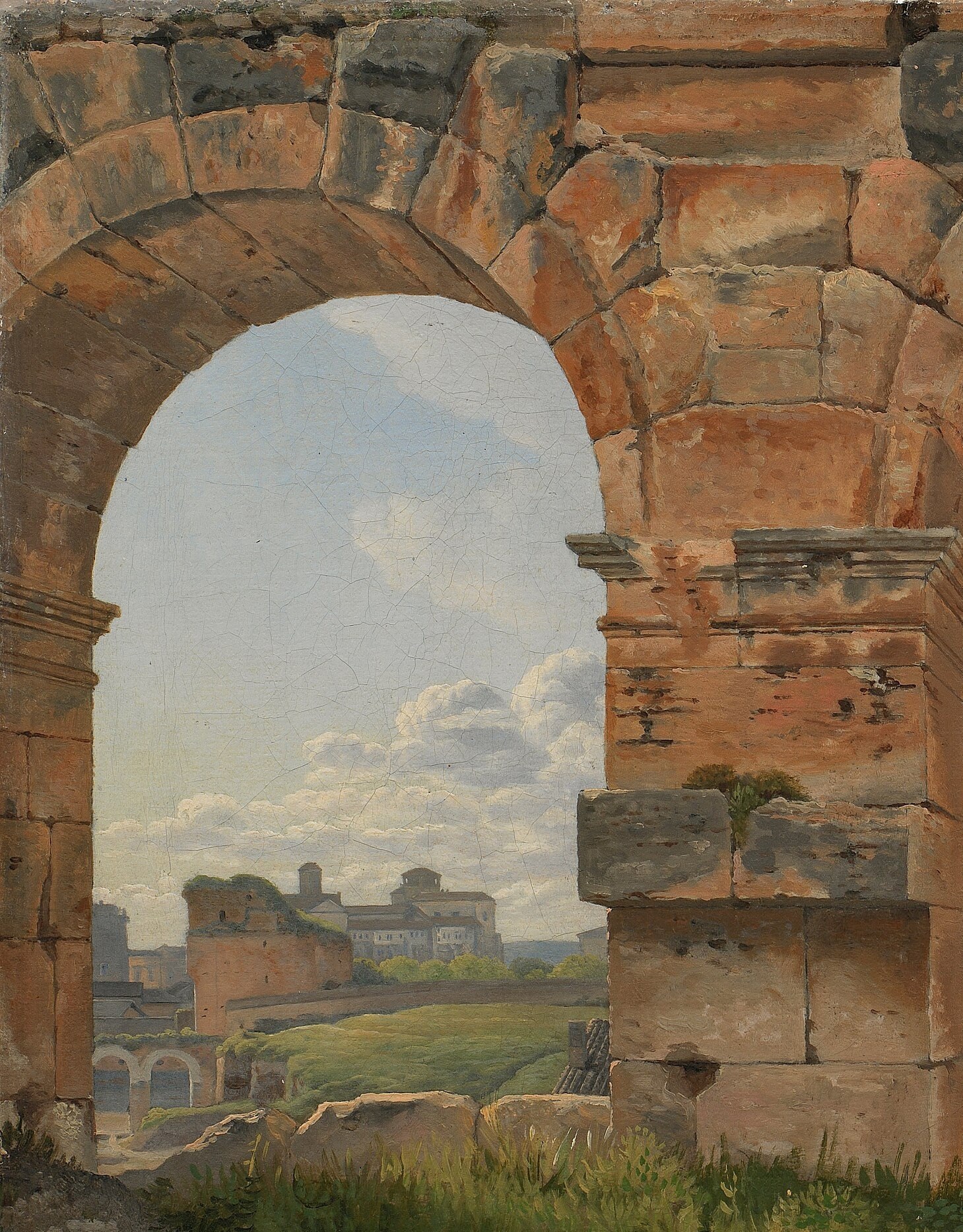
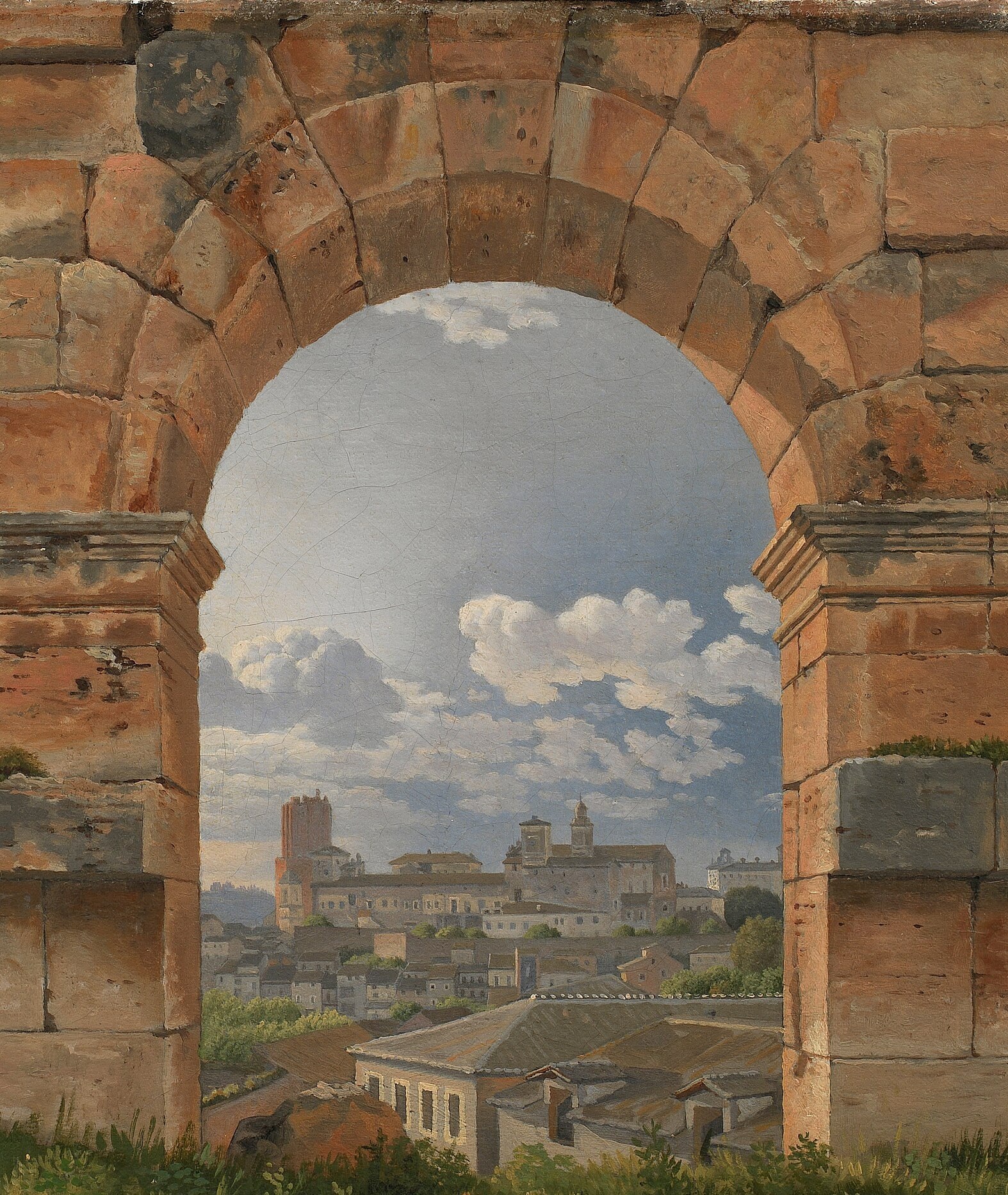
C. W. Eckersberg’s “A View through Three of the North-Western Arches of the Third Storey of the Coliseum,” painted in 1815, is a fascinating blend of meticulous observation and artistic invention. This oil painting, now a part of the Danish art canon, captures the essence of ancient Rome through the artist’s unique perspective.
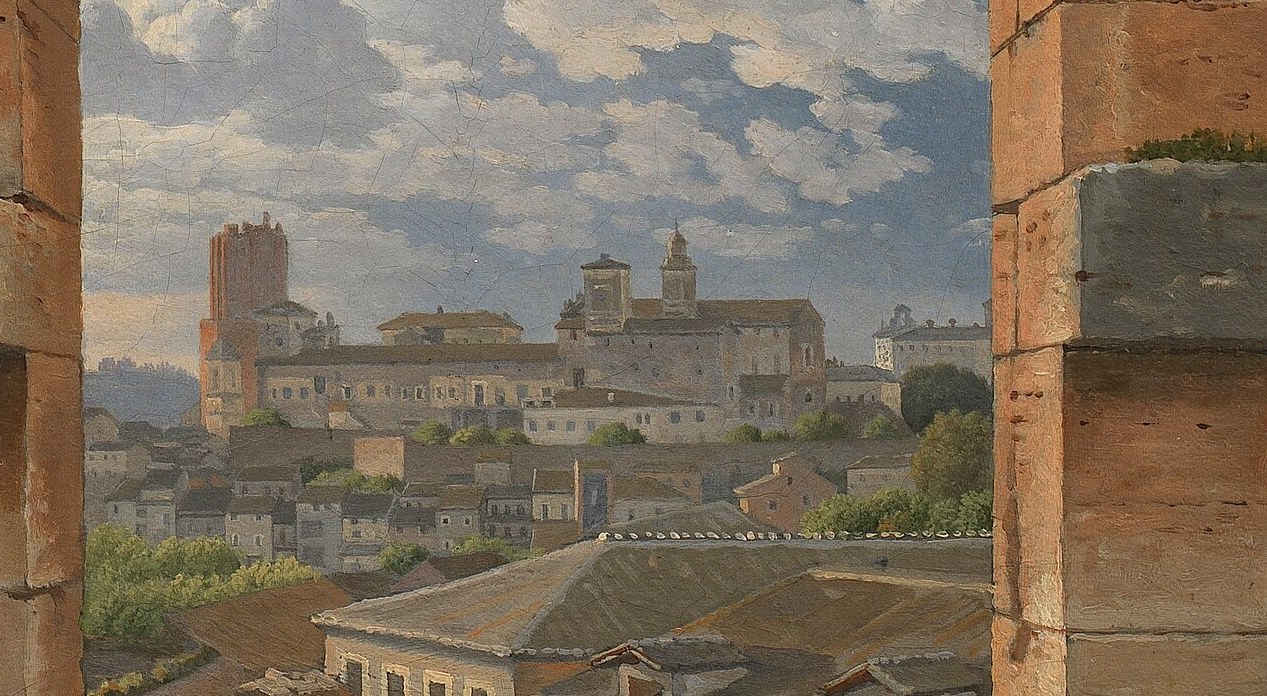
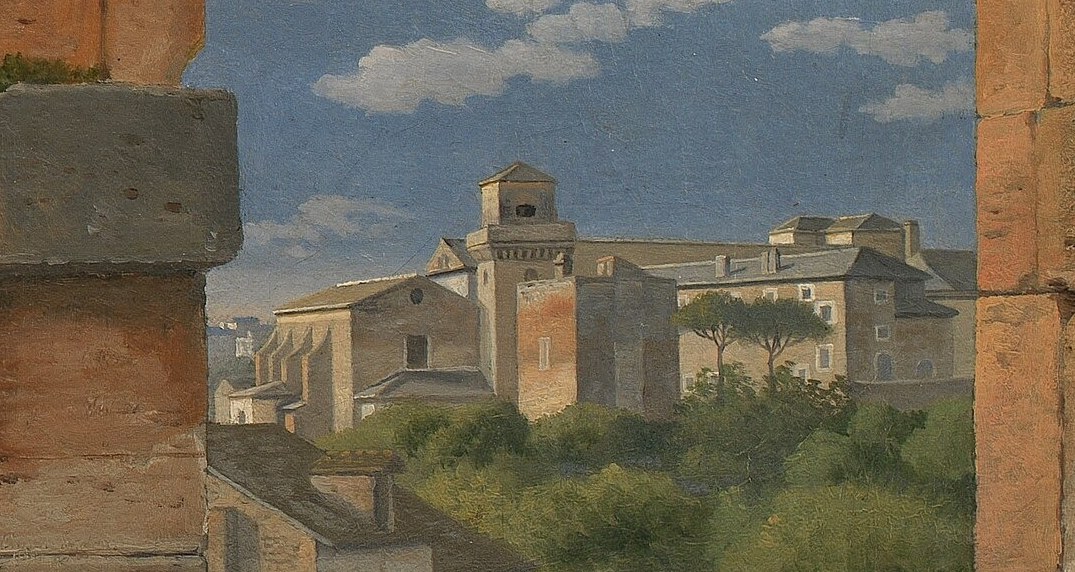
Eckersberg, a leading figure of the Danish Golden Age, rendered the Colosseum’s ancient stones with incredible precision, inviting the viewer to examine every crack and texture. Yet, the cityscape visible through the arches is not a direct topographic record. The artist carefully combined three distinct views of Rome to create a harmonious and balanced composition.
This work was created during Eckersberg’s formative stay in Rome, where he produced a series of paintings depicting the city’s ruins. His preparatory sketches, now in the Royal Engraving Collection, reveal the careful planning behind this intricate composition. The painting showcases his dual approach: accurately depicting the physical decay of architecture while constructing an idealized urban panorama.
It’s a powerful example of how artists can interpret reality, creating something new and compelling. What details do you notice first?
Details
Transcript
This painter took a precise, scientific view of Roman ruins. Look closely at the ancient, weathered stone. He observed every crack and detail. But the city beyond the arches is a construction. He combined three different views into one harmonious scene. It's a precisely observed ruin with an imagined backdrop.