Old Woman in an Armchair by Jacob Adriaensz Backer
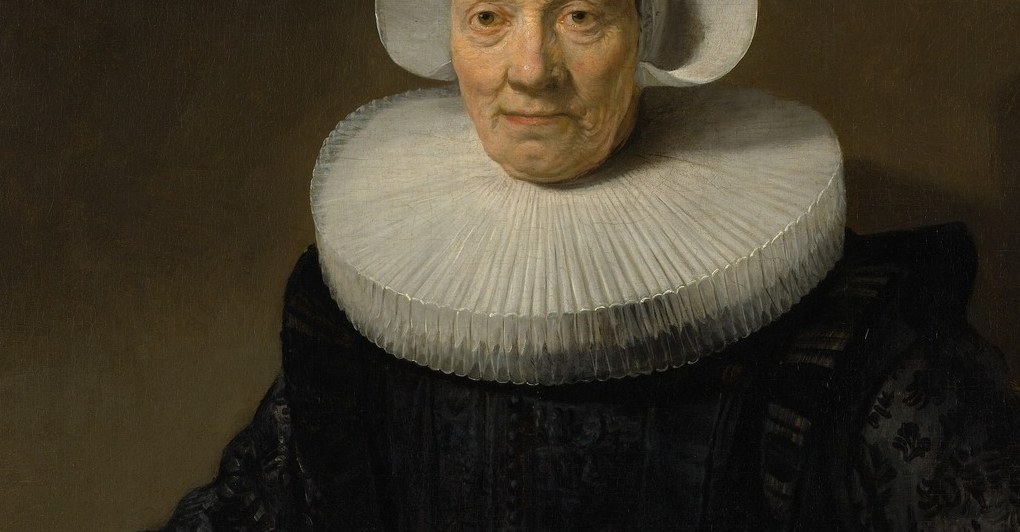
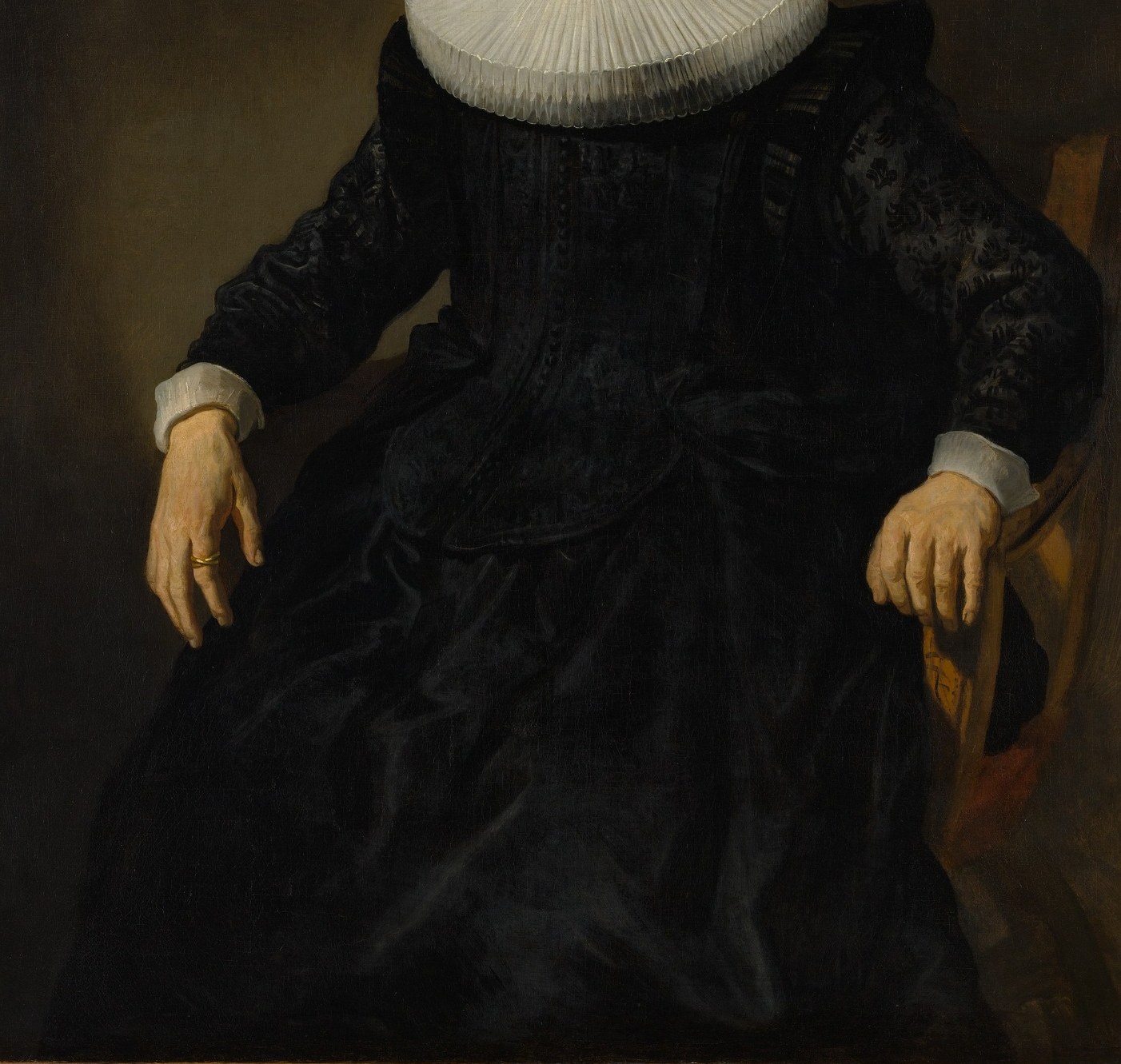
Jacob Adriaensz Backer painted 'Old Woman in an Armchair' in 1640, and it holds a secret language if you know how to read it. The painting lives at The Metropolitan Museum of Art and is a masterclass in Dutch Golden Age restraint.
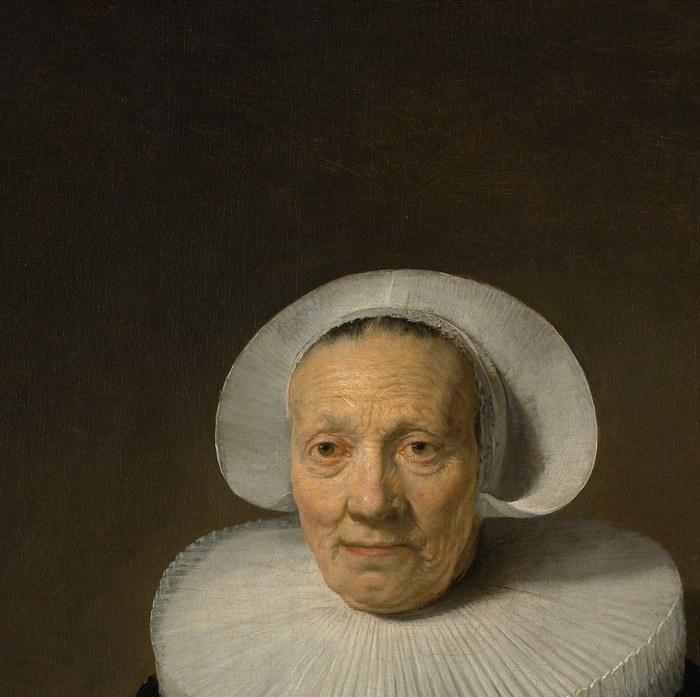
Start at the top: that linen cap is a badge of rank, not a piece of warmth. It declares her a married matron who runs a household. The collar beneath it, so elaborately pleated and impossibly white, required costly lace and staff to starch and press it, she is signaling that she has enough money to wear maintenance-heavy luxury, and enough piety to keep it plain.
Now look at the dress. Protestant Amsterdam demanded sober black, but this is not modest black, it is absolute black, a lightless void that pushes her face and hands forward with dramatic force. The austerity is the status; excess was for Catholic courts to the south.
Backer was a star of his moment, about 140 paintings in a twenty-year career, and he absorbed lessons from Rubens and Bloemaert before dying young at forty-three. This woman, whose name history has misplaced, remains seated, upright, and utterly in command, wearing the visual code of her world with complete assurance.
What extra signal do you think that faint closure at her bodice might send?
Details

Transcript
Every object in a Golden Age portrait is a coded message. The white linen cap does not cover her hair for warmth. It signals she is a respectable matron, head of a household. The pleated ruff is spotless, impossibly white, rigidly starched. Lace this elaborate announced immense wealth and domestic staff to maintain it. The black void of her dress erases the body entirely. In Protestant Amsterdam, this was not grim, but a badge of moral seriousness. Her clasped hands complete the code: stillness means dignity.