Boy of the Beekman Family by American 18th Century
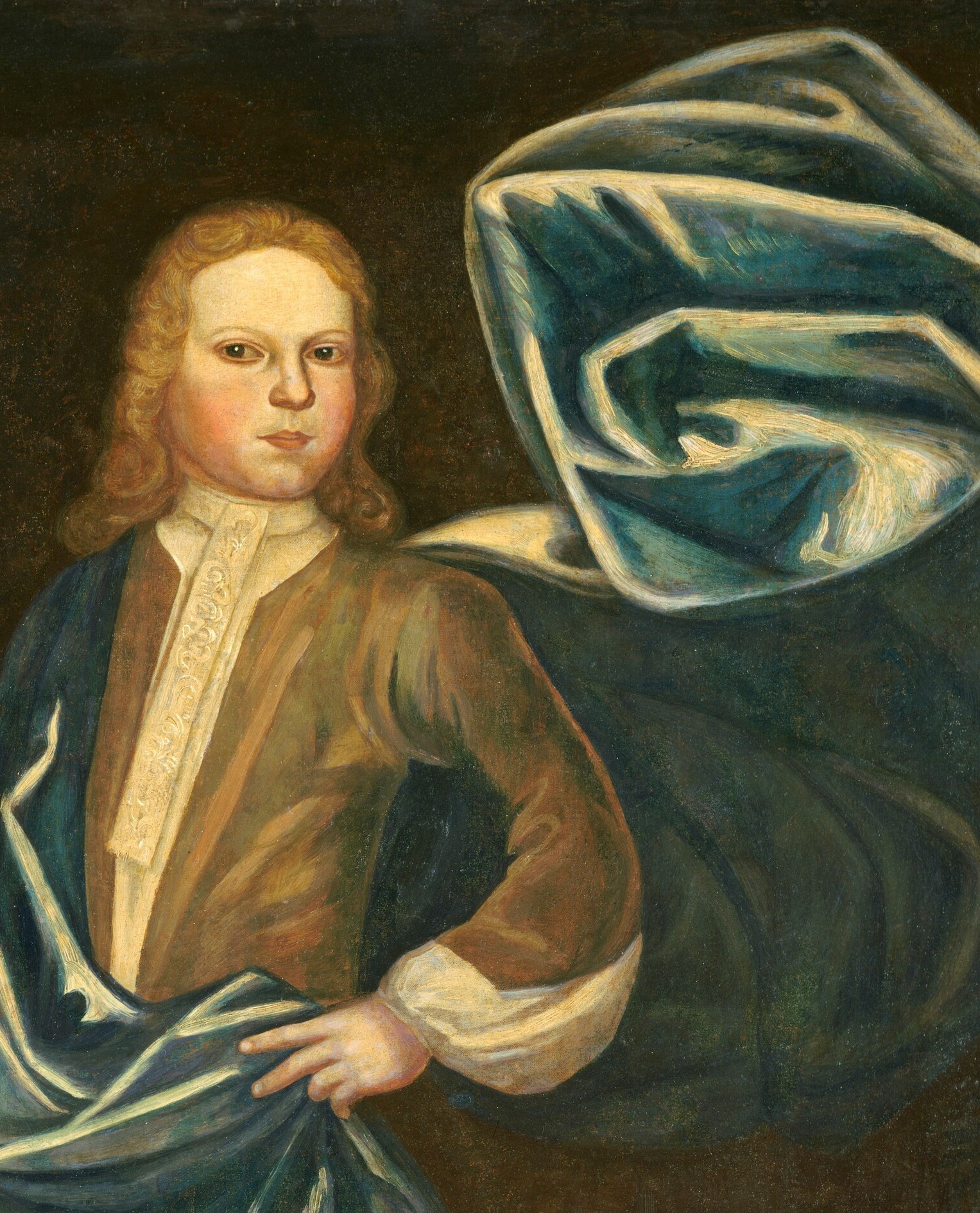
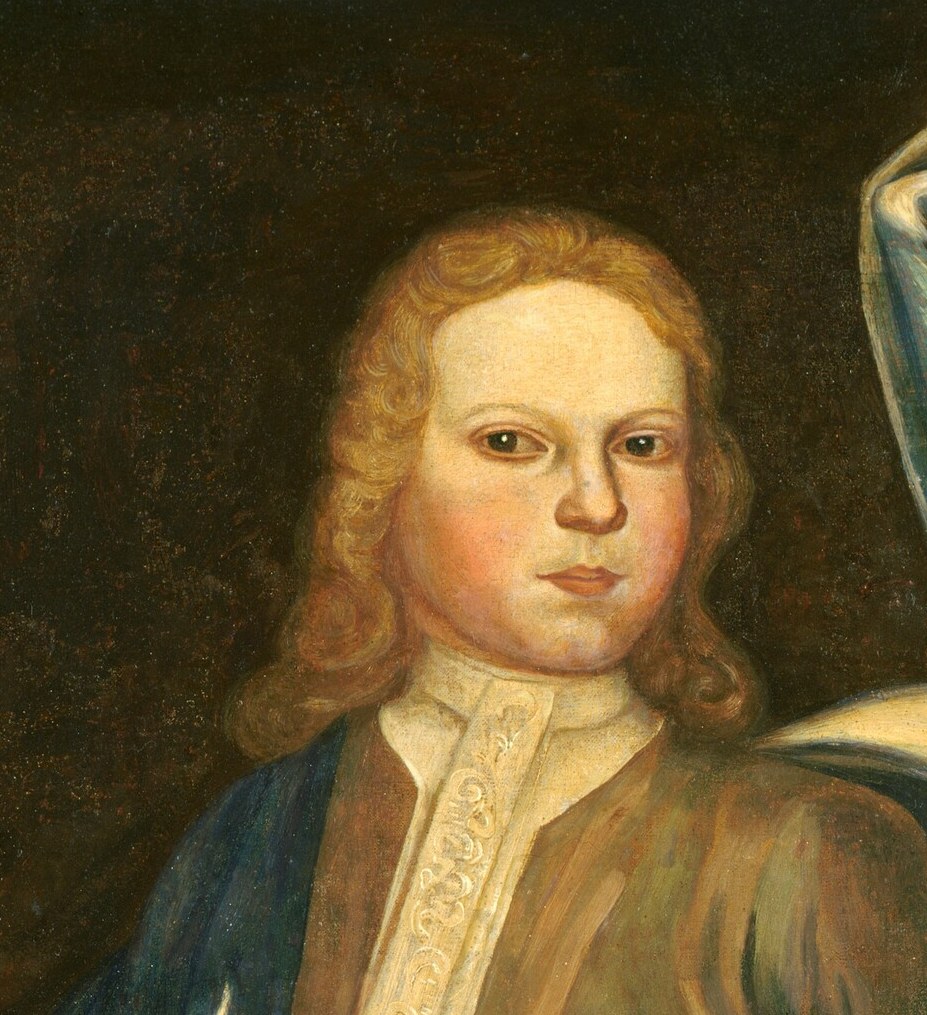
This formal portrait, *Boy of the Beekman Family* (c. 1720) by an anonymous 18th-century American artist, is a fascinating study in social ambition. Every detail, from the boy's pose to his accessories, serves as a coded message about his family's status in colonial society.
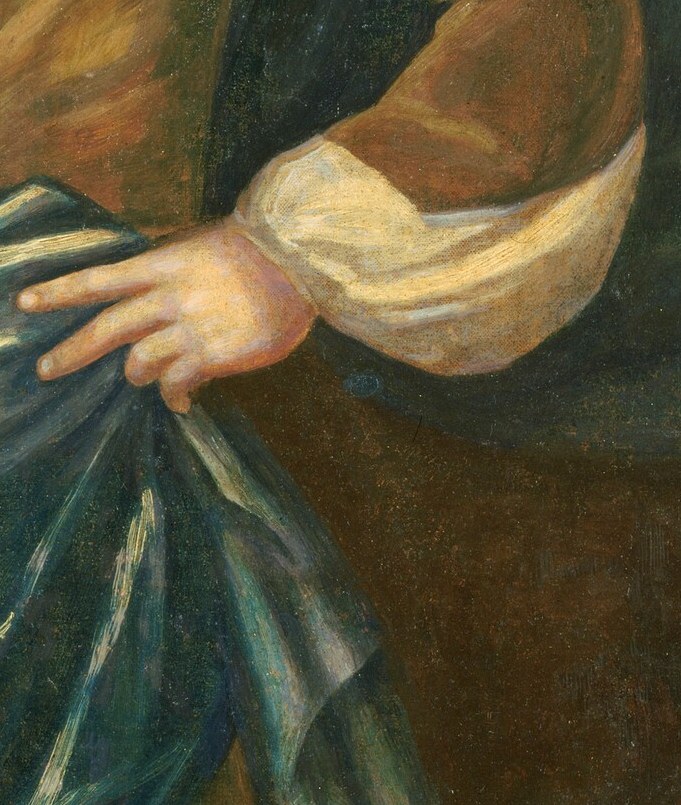
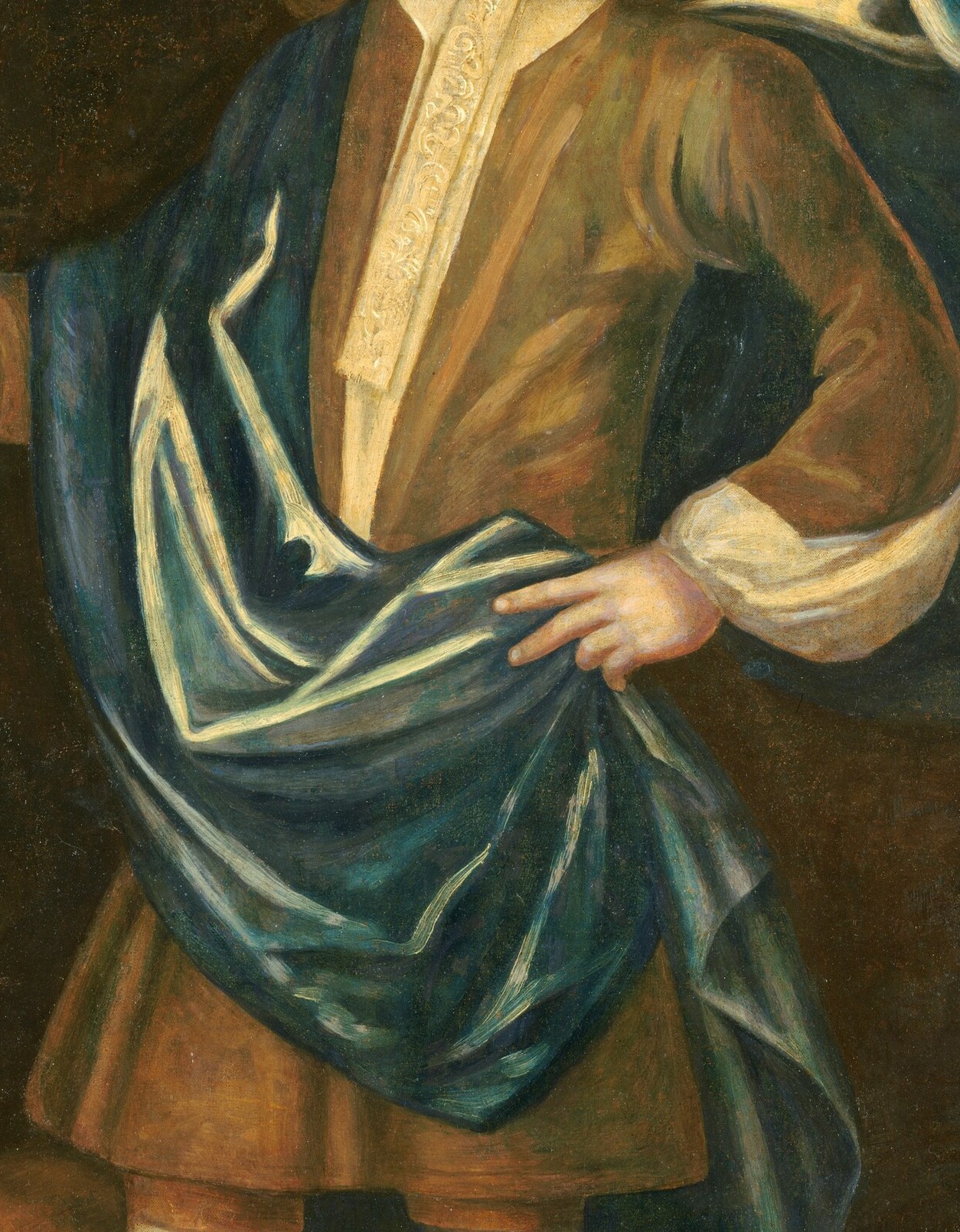
Look closely at the boy's left hand, firmly planted on his hip, and his extended right hand. These gestures, along with the grand blue mantle draped over his arm, are borrowed from European aristocratic portraiture. They are designed to convey authority and nobility, even in a child.
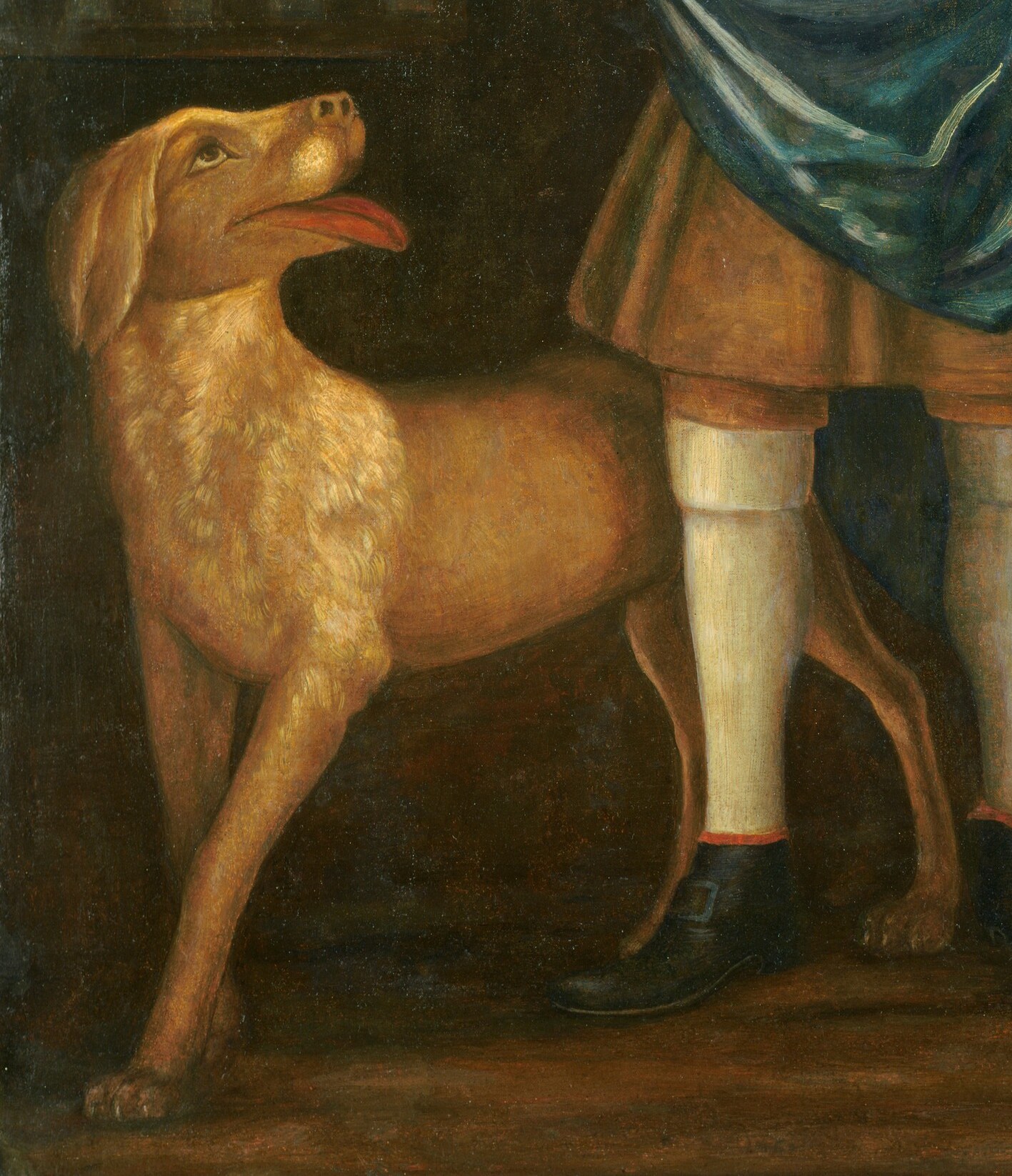
The inclusion of a hunting dog further elevates his standing, a common symbol of gentry and inherited privilege. Even the glimpse of a landscape and classical column in the background subtly reinforces the family's aspiration to Old World grandeur and landed wealth.
This painting is more than just a likeness; it's a carefully constructed visual argument for the family's place in colonial America. What other subtle clues do you notice?
Details
Transcript
This young boy's portrait announces his family's status. His stiff pose, with a hand on the hip, signals authority. The painter borrowed this gesture from adult court portraits. Even his hunting dog elevates him, a gentry status symbol. And this grand blue mantle makes him seem like a nobleman. All these details were a coded message to colonial society. They claim a legacy of wealth, power, and European grandeur.