Richard Mentor Johnson by Neagle, John
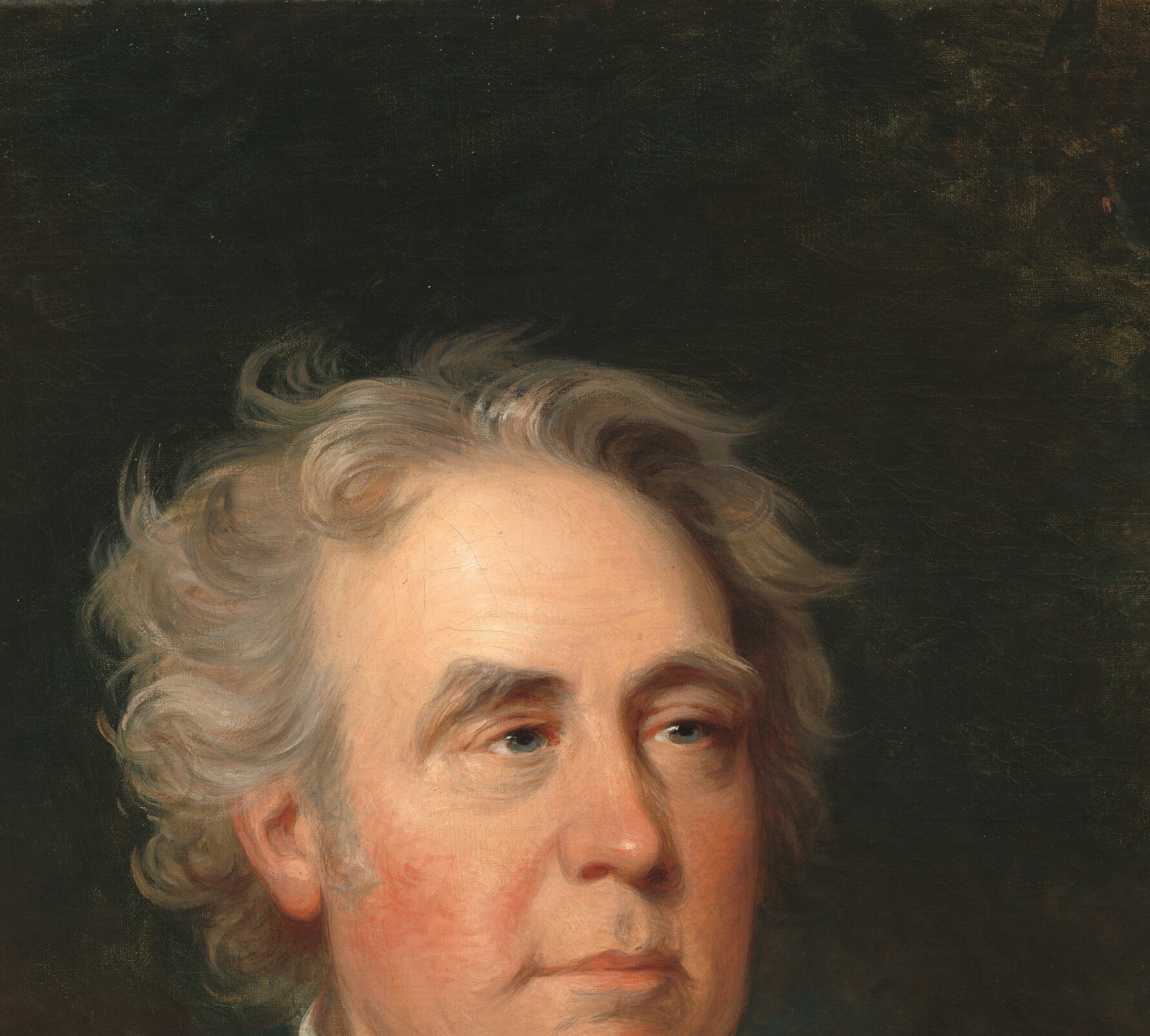
This is Richard Mentor Johnson, the ninth Vice President of the United States, painted by John Neagle in 1843. It hangs in a museum now, but it was once a visual argument: that a rough-hewn frontiersman could lead a nation.
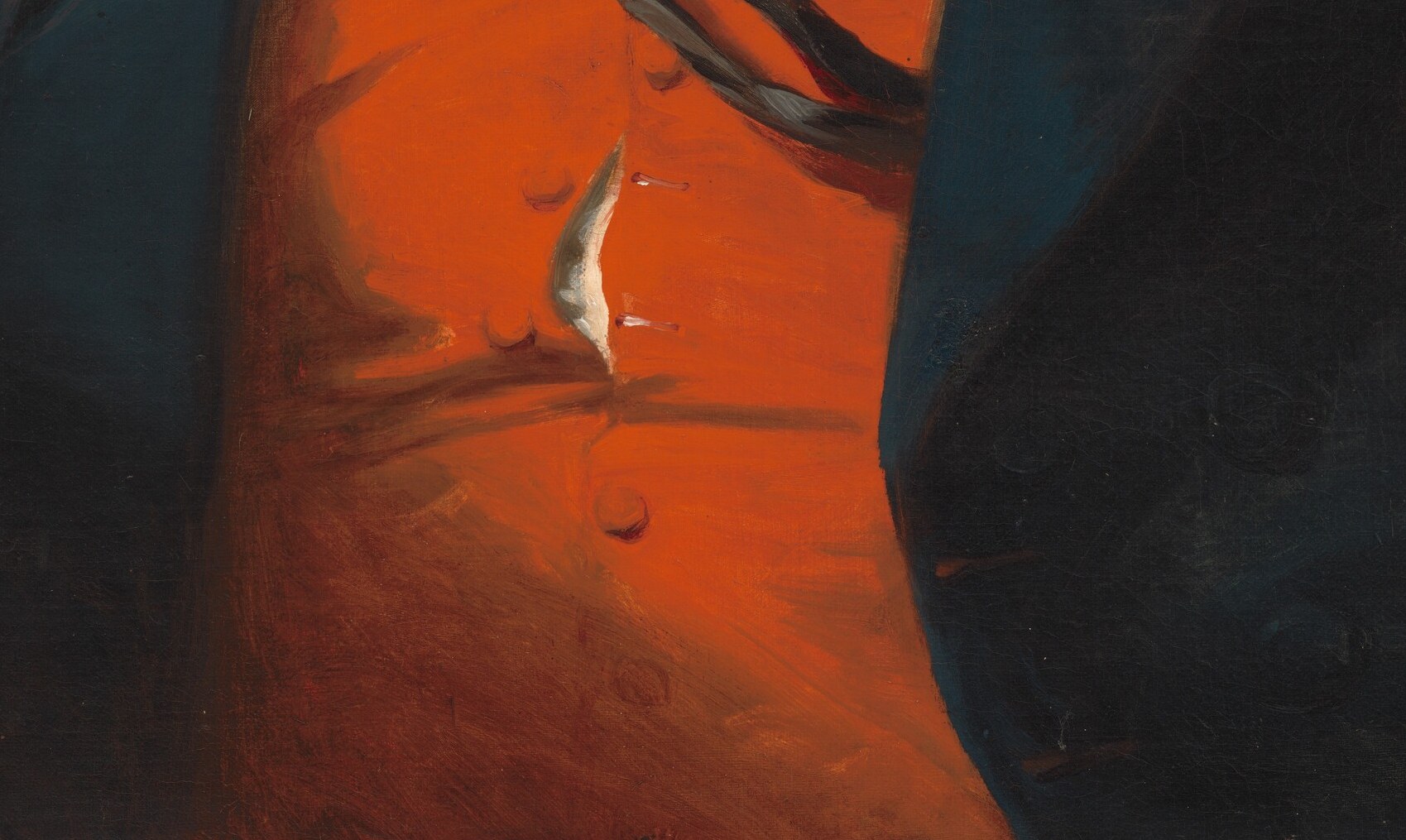
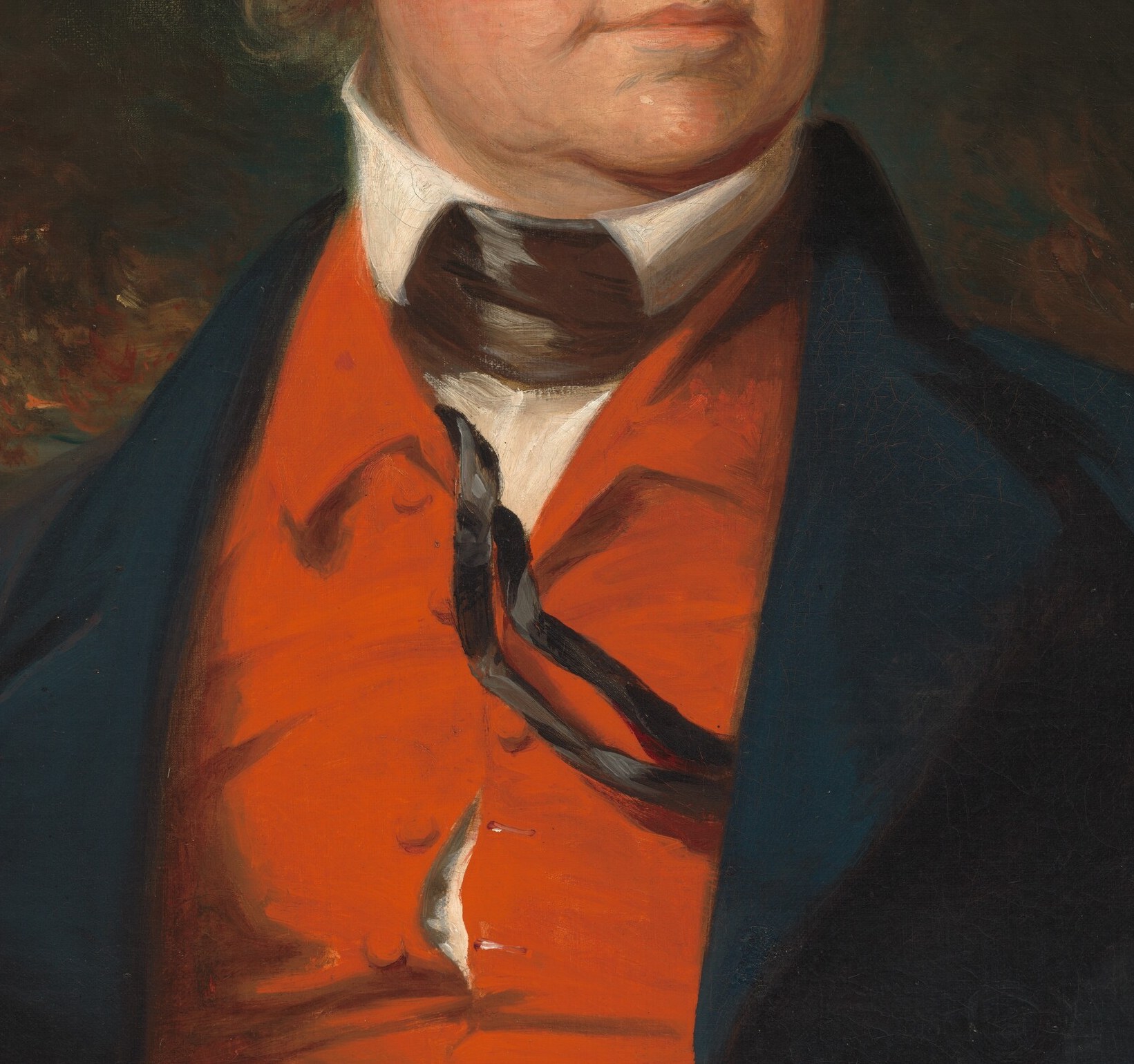
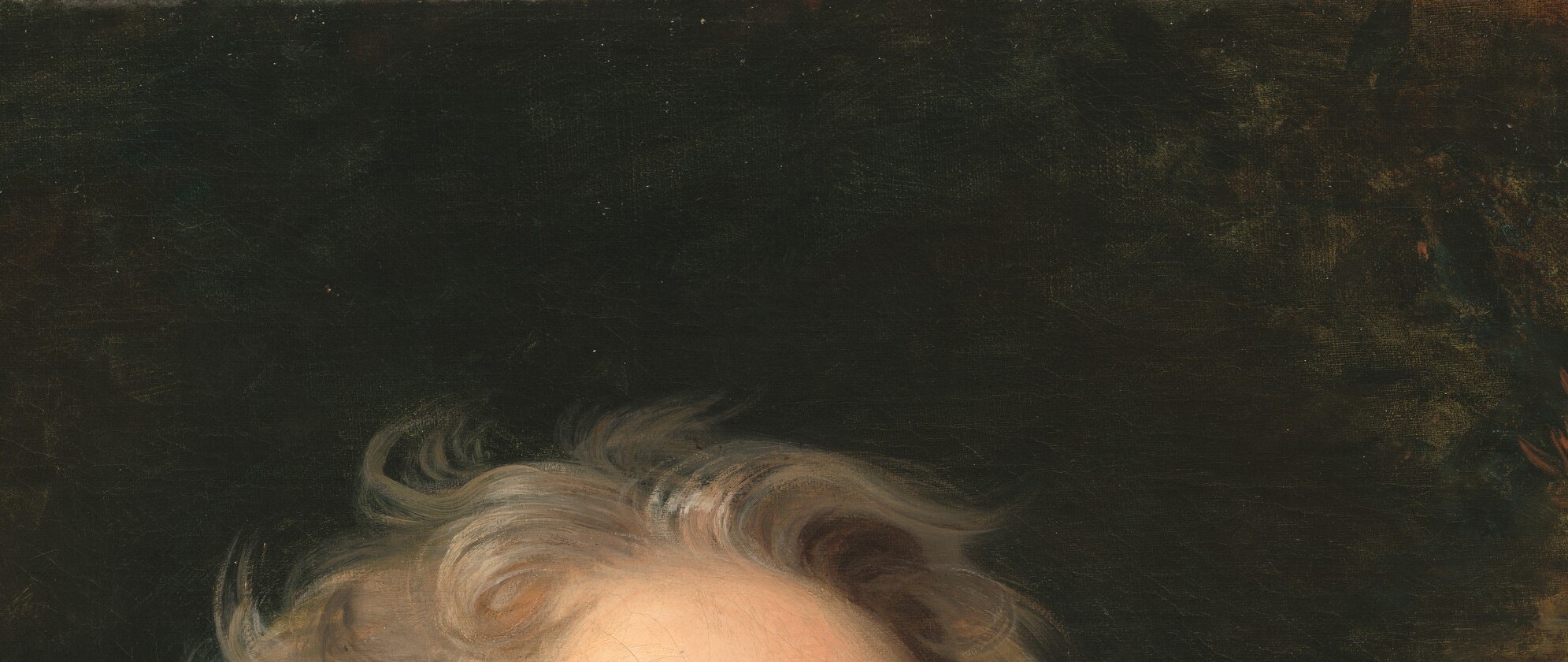
Look at the face first. Neagle does not soften him. The eyes are direct, almost challenging. Then look at the hands, they are broad, loose, and prominent. An artist trained in the grand European manner would normally refine a sitter's hands into elegant shapes. Neagle leaves them as large, physical presences. The red waistcoat is the only loud color; it refuses aristocratic black and insists on a distinctly American vigor.
Johnson's life was loud. He was a War of 1812 veteran who built a political career on the claim that he personally killed the Shawnee leader Tecumseh. He was a populist, beloved by working-class voters. His vice presidency under Martin Van Buren was deeply controversial, and his personal life, including his open relationship with Julia Chinn, an enslaved woman, was scandalous to the political class. He died broke in 1850.
This portrait, made just seven years before his death, shows a man who knows his story is ending but refuses to look away. What do you feel when a painted face from 1843 holds your eye like this?
Details
Transcript
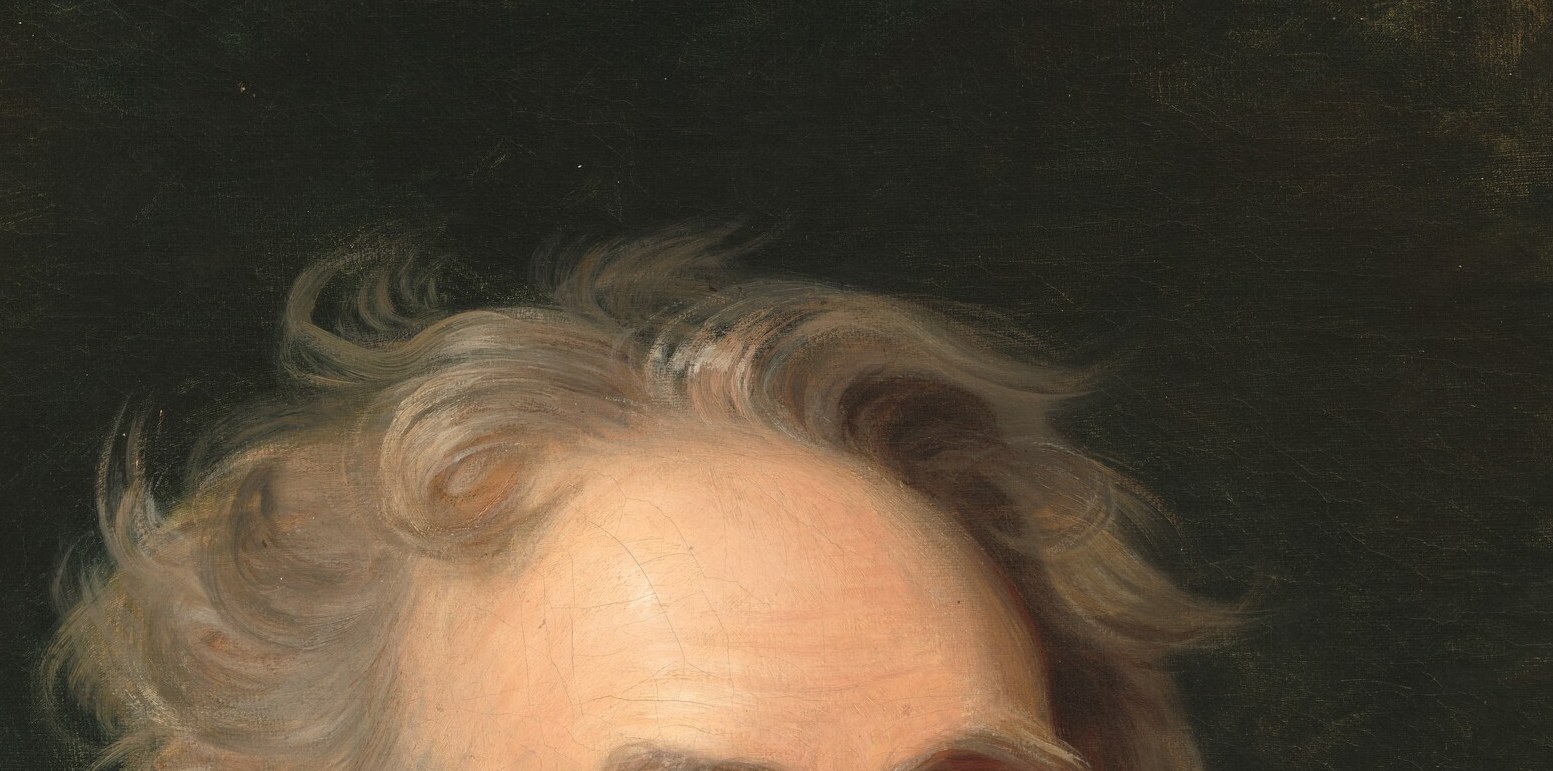
This is not the face of a polished aristocrat. He fought in the War of 1812 and claimed to have killed Tecumseh. Those eyes met voters on the frontier, not in drawing rooms. For decades he campaigned on that battlefield fame, and his hands. The artist painted them large and loose. These are hands that worked. He wore blazing red, not black. An American statement. Neagle painted him in 1843, near the end. He died in poverty. But here he sits, still wearing his gold, still meeting your gaze.