Cephalus and Procris by Godfried Schalcken
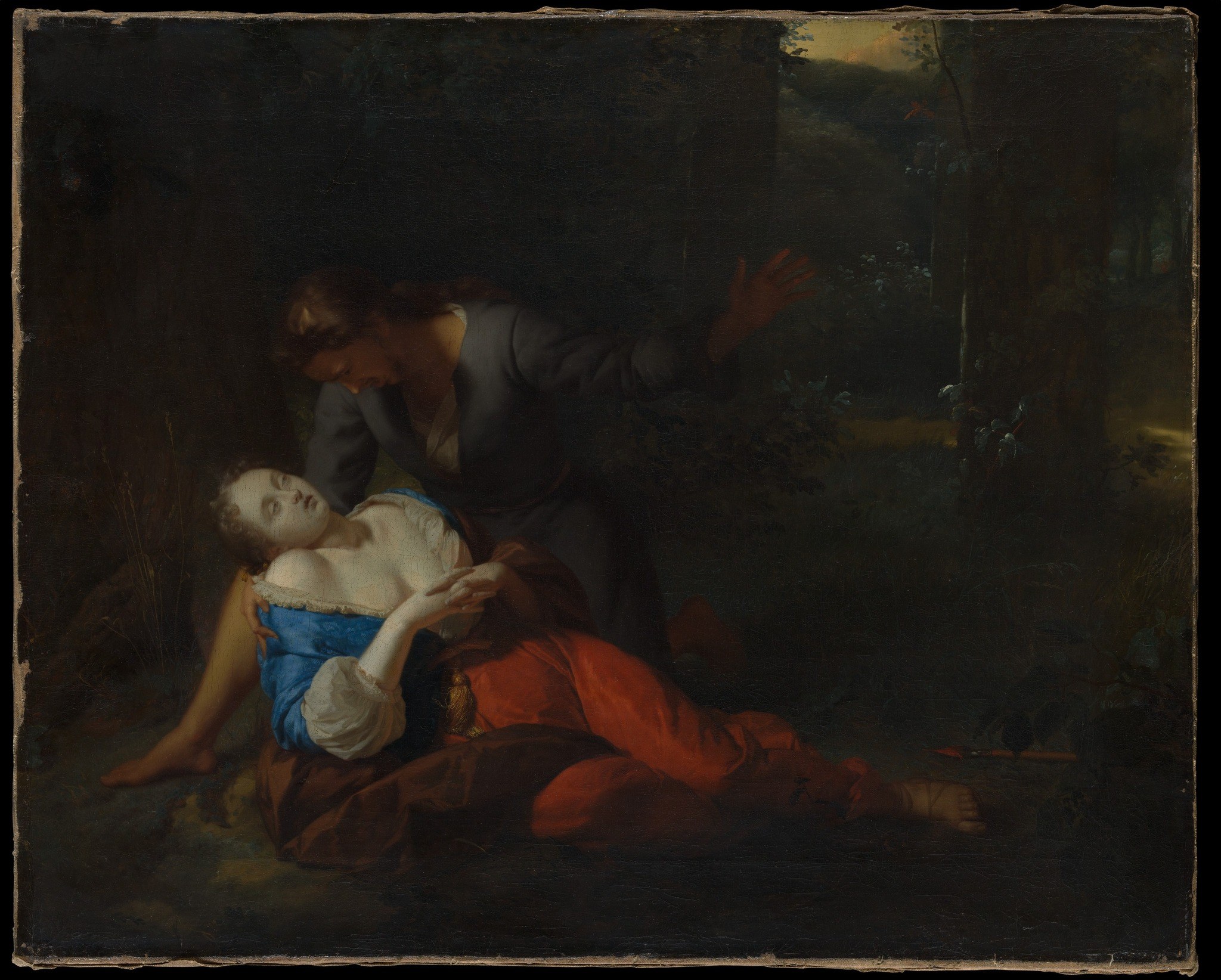
Godfried Schalcken's 1692 oil painting, *Cephalus and Procris*, exemplifies Dutch Golden Age artistry with its dramatic use of light and shadow.
The painting depicts a tragic moment from classical mythology: Cephalus cradles the lifeless body of Procris. Schalcken's distinctive chiaroscuro technique illuminates the central figures, drawing the viewer's eye directly to their emotional intensity, while the dark, indistinct background enhances the somber atmosphere.
Schalcken, a prominent Dutch artist, was renowned for his 'night scenes' and his masterful ability to simulate the glow of candlelight. This skill is evident in the focused lighting on the main characters, highlighting Procris's pallor and Cephalus's anguish. The work is now housed at The Metropolitan Museum of Art.
What emotions does Schalcken's dramatic lighting evoke for you?
Details

Transcript
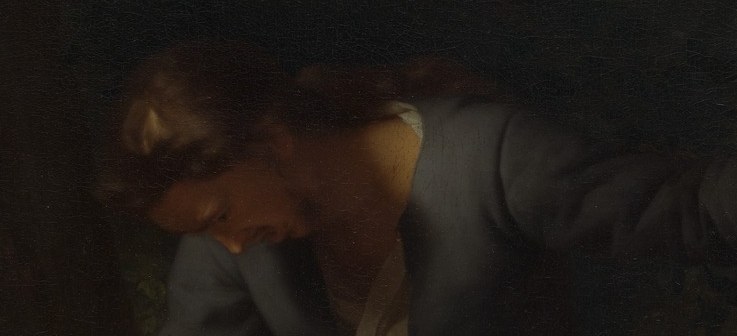
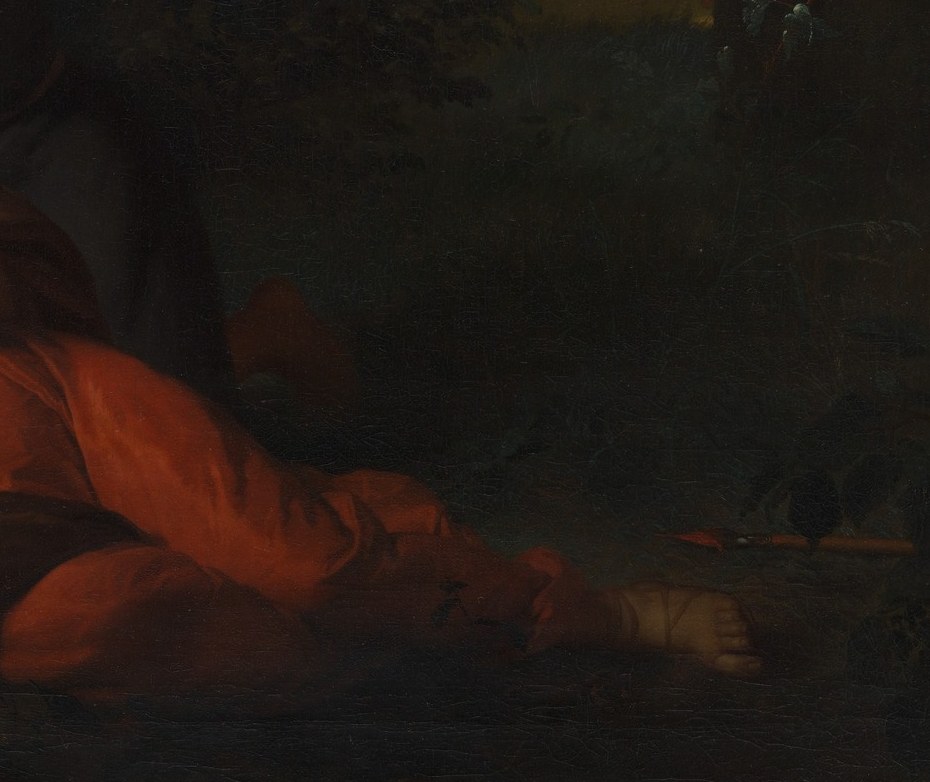
This painting tells a tragic story from classical myth. The artist, Godfried Schalcken, was famous for 'night scenes'. He used stark light to highlight Procris's pale, lifeless body. Notice how the vibrant blue sleeve contrasts with her stillness. Cephalus's anguished face shows deep sorrow, perhaps even guilt. Schalcken's careful lighting draws your eye to the emotional core.