Grappling for the Lost Cable by Robert Charles Dudley
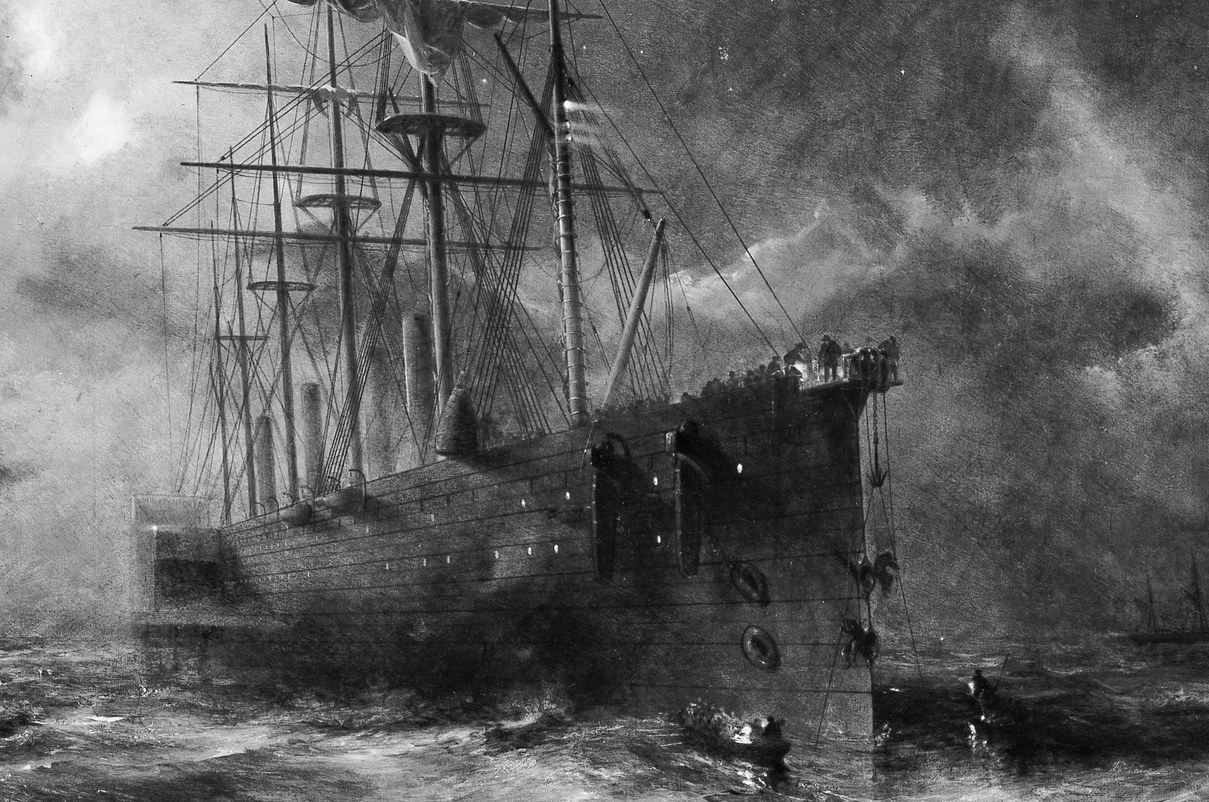
Robert Charles Dudley’s 1866 painting, "Grappling for the Lost Cable," at The Metropolitan Museum of Art, depicts a dramatic moment in 19th-century engineering: the retrieval of a broken transatlantic telegraph cable. This wasn't just any repair; it was about restoring a vital technological lifeline that connected continents.
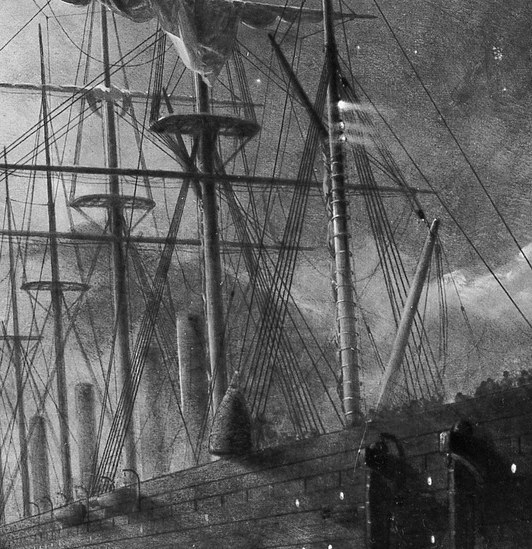
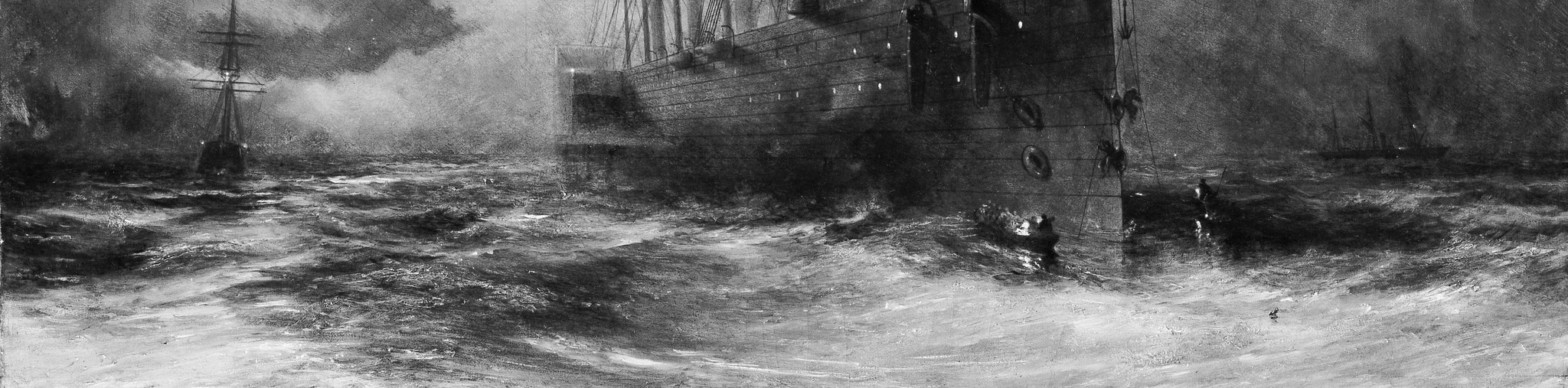
Look closely at the main ship and the small figures on its deck. Despite the stormy sea and the dark of night, their efforts are intense. The intricate rigging of the ship and the turbulent water highlight the immense challenges faced by those who sought to maintain global communication.
The laying and maintenance of these transatlantic cables were national priorities in the mid-1800s, symbolizing an era's drive toward global connectivity. Dudley's work captures both the ambition of these engineering feats and the perils inherent in achieving them.
It’s a powerful reminder of how much human endeavor went into bridging distances, even in the face of nature’s fury.
Details
Transcript
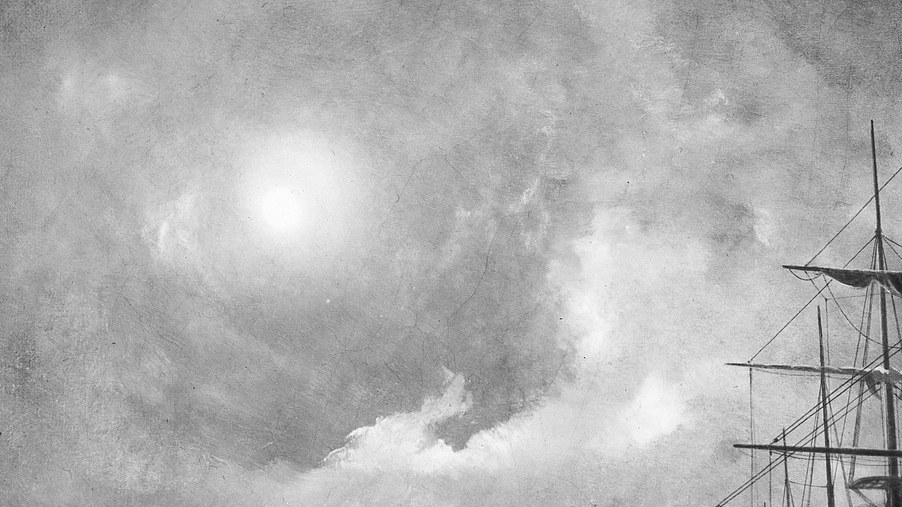
This isn't just a storm at sea. It's a rescue. The year is 1866. A ship grapples for a lost transatlantic cable. This cable was a vital link for global communication. The churning waves and dark clouds show the high stakes. Even at night, men worked to restore this lifeline of progress. The moon breaks through, illuminating their desperate efforts.