Saint Luke Painting the Virgin by Georg Anton Urlaub
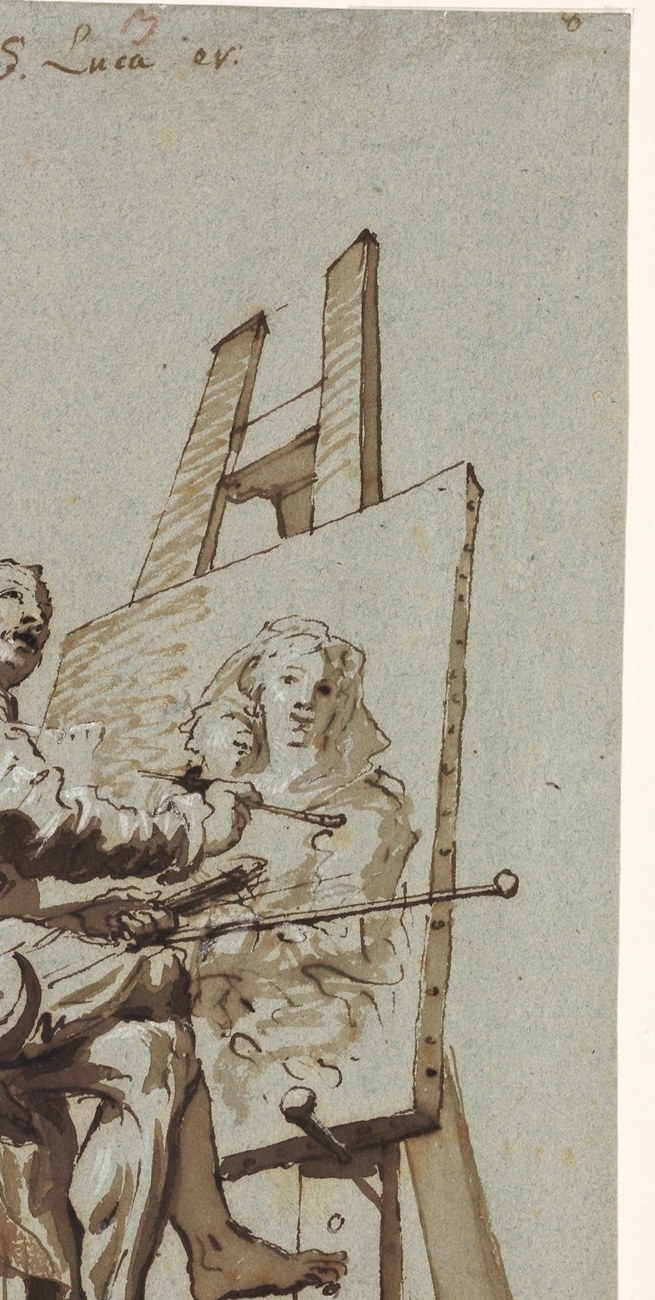
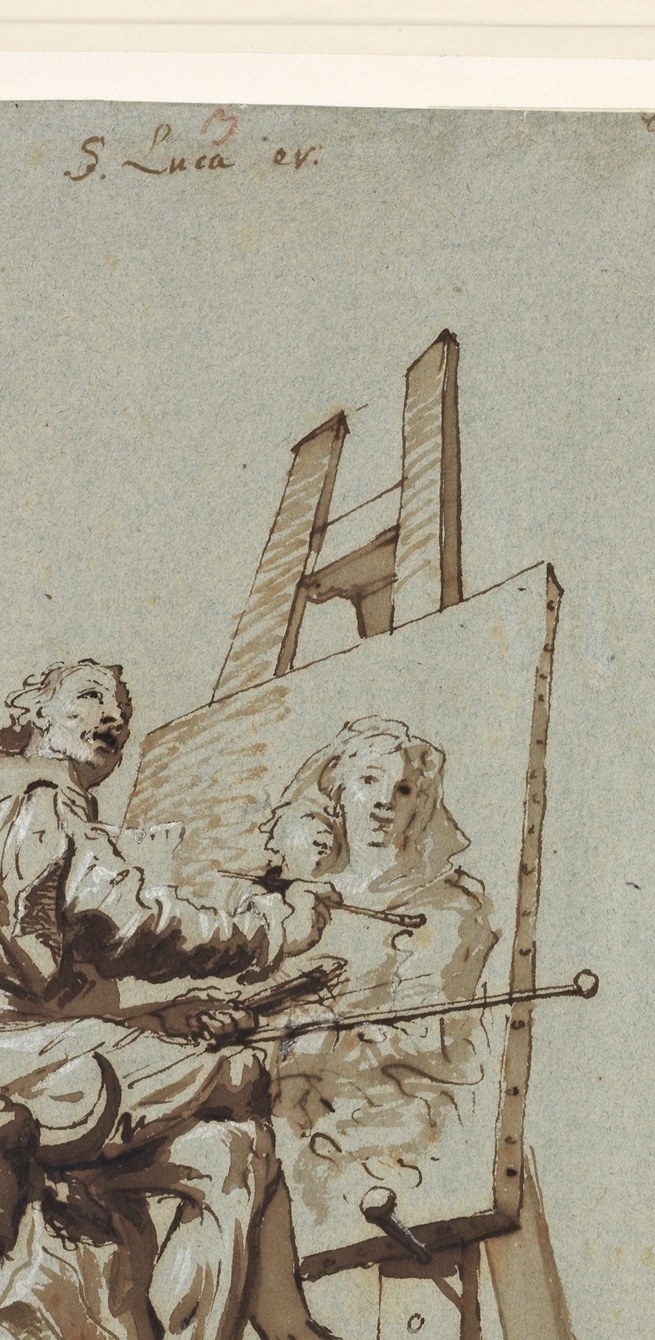
This is a preparatory sketch by Georg Anton Urlaub, a Baroque painter from Franconia, now held by The Metropolitan Museum of Art. Made around 1750, it shows Saint Luke Painting the Virgin Mary, a subject that made Luke the patron saint of artists' guilds across Europe. Urlaub worked for the prince-bishop of Würzburg, and this drawing carries the energy of an artist thinking through a large composition at speed.
Look at the two faces. Saint Luke strains toward the canvas with an older man's intensity. The Virgin beside him is drawn with a lighter, softer wash. She's not a sitter; she's a vision, materializing as he paints. The touch difference is the clue: the divine is serene, and the human hand labors.
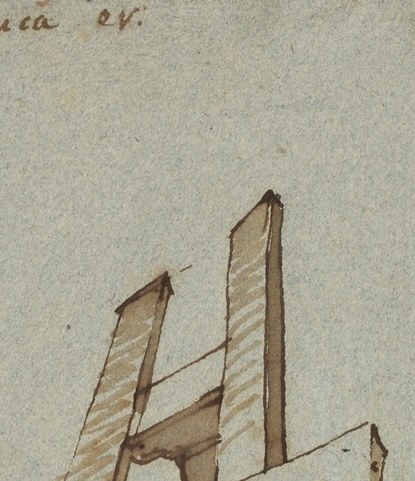
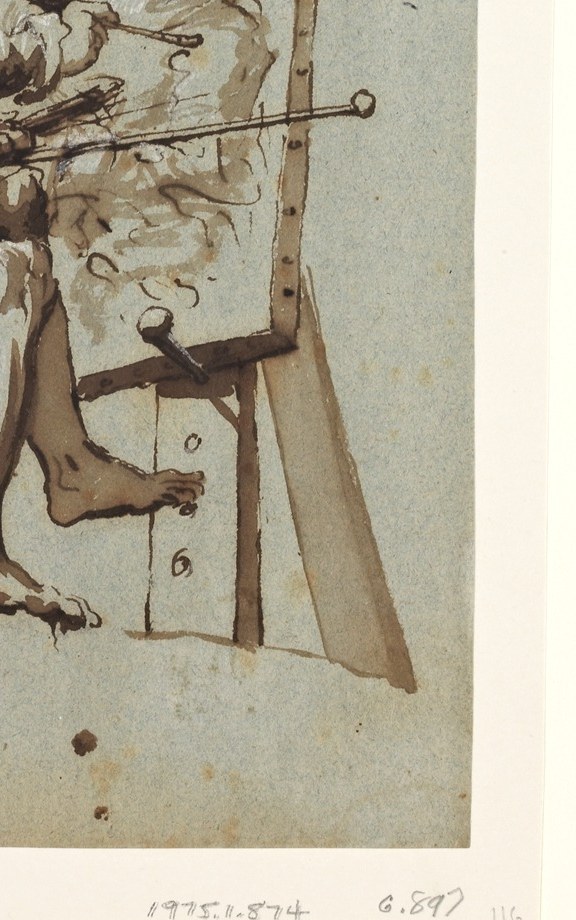
The sketch traces an idea at least as old as the Renaissance. The legend says Luke painted Mary from life, but here Urlaub makes the act a mystery. Luke doesn't look at her; he looks at his work, and yet she is present, and her emerging portrait sits on the canvas between them. The drawing doesn't hide its process. Rapid hatching, shorthand shadows, the ox half-swallowed in darkness at the lower left: all of it lets you watch a trained fresco painter building a scene in tonal masses.
It's a sheet that has passed through many hands and ended up behind glass, but the speed in it still feels unguarded. What does a sketch let you see that a finished altarpiece can't?
Details

Transcript
The patron saint of artists, painting the Virgin Mary. But she was never actually in the room with him. Look at Saint Luke's face. His concentration is on the canvas. Yet the Virgin appears beside him, as if summoned by the act of painting. She's a vision, drawn in a softer, lighter touch than the earthly painter. This is how a fresco painter thinks: fast, tonal, alive.