Untitled by After Zhao Boju
This untitled handscroll, created around 1472 after the style of Zhao Boju, is a masterclass in using absence to create presence. Currently held in a private collection, it invites viewers on a silent journey through an idealized landscape.
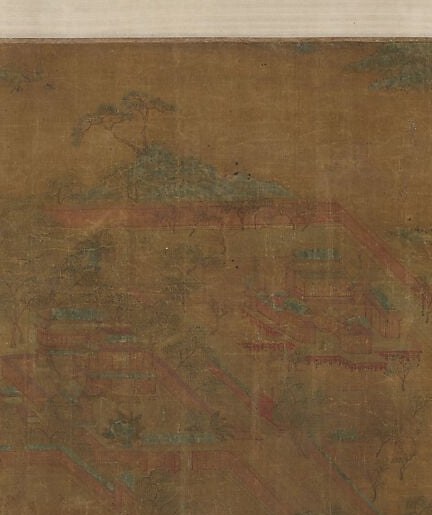
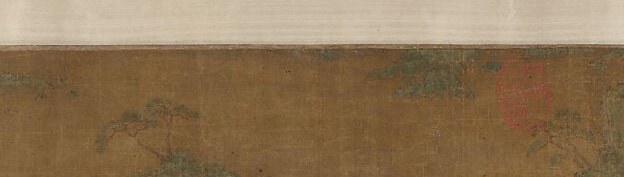
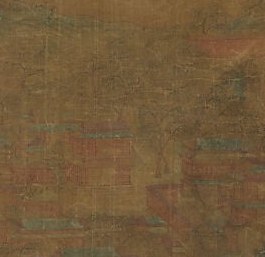
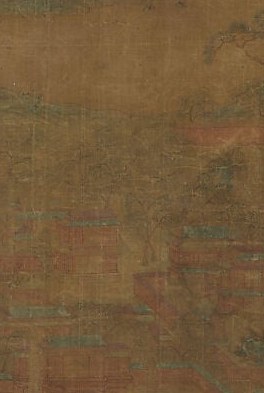
The artist employed an extremely light touch with ink and color on silk. Notice how distant peaks barely resolve from the silk ground, dissolving into atmosphere. The misty voids between mountain ranges are not painted; they are the luminous, unpainted silk itself, acting as cloud or river mist.
This technique, known as 'empty distance' (kongbi), is a hallmark of Song Dynasty landscape theory. Instead of using linear perspective, the artist relies on graduated ink washes and untouched silk to imply immense depth on a flat surface, making the viewer feel like they are progressing through varied terrains.
It's a powerful reminder of how negative space can be as significant as any brushstroke, transforming emptiness into profound distance and tranquil atmosphere.
Details
Transcript
This scroll is a journey through mountains and mist. To create distance, the painter used no lines, only ink wash. Look at these remote peaks, barely there, almost dissolving. Even the pale sky is simply unpainted, aged silk. This empty space, between masses, creates immense depth. It is an illusion of space from pure absence.