Landscape by Alexandre Calame
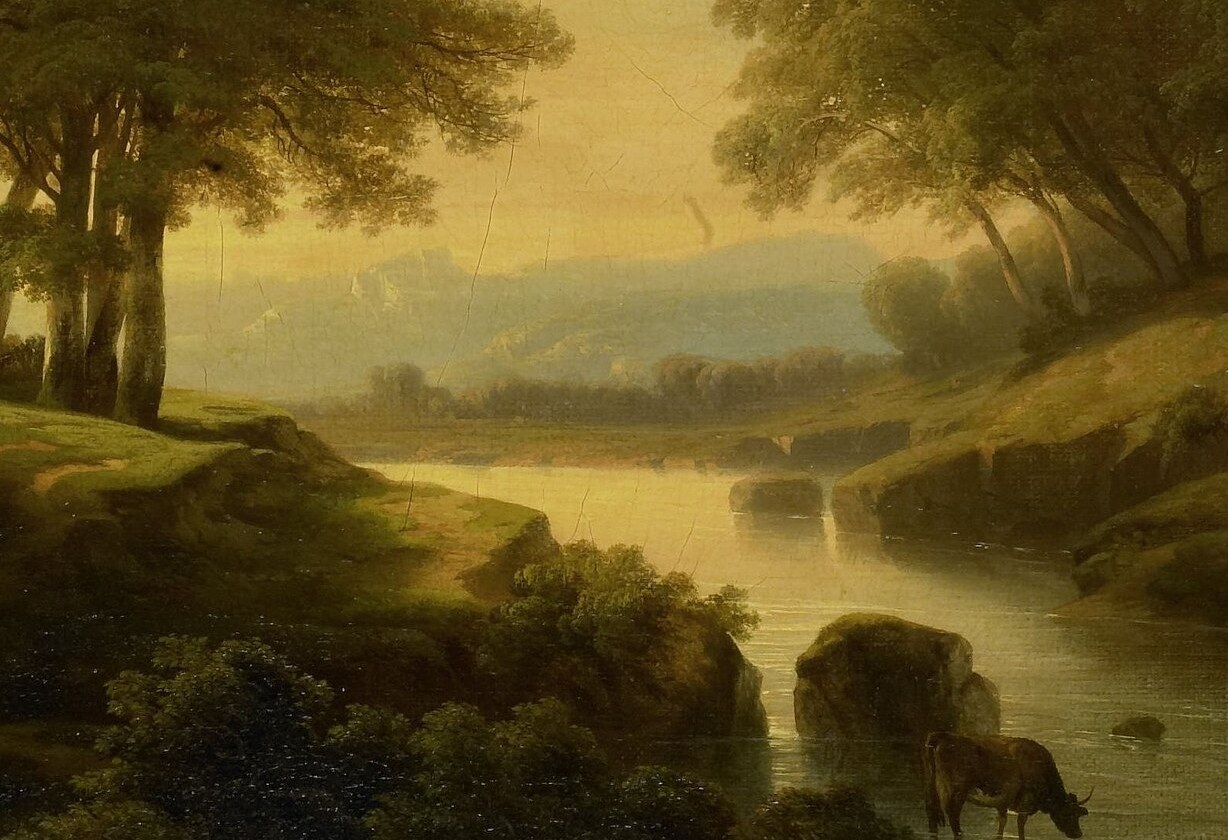
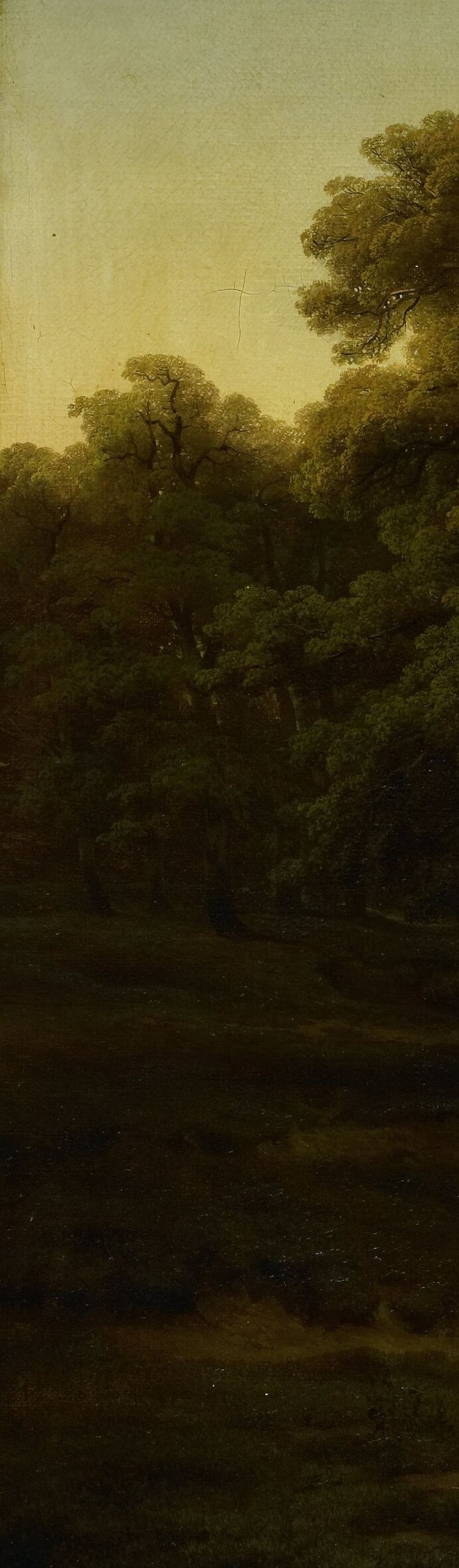
Alexandre Calame’s *Landscape*, painted in oil in 1837, is a masterclass in atmospheric illusion. Now held at the Rijksmuseum, it demonstrates the artist's skill in manipulating light to create a profound sense of depth and drama.
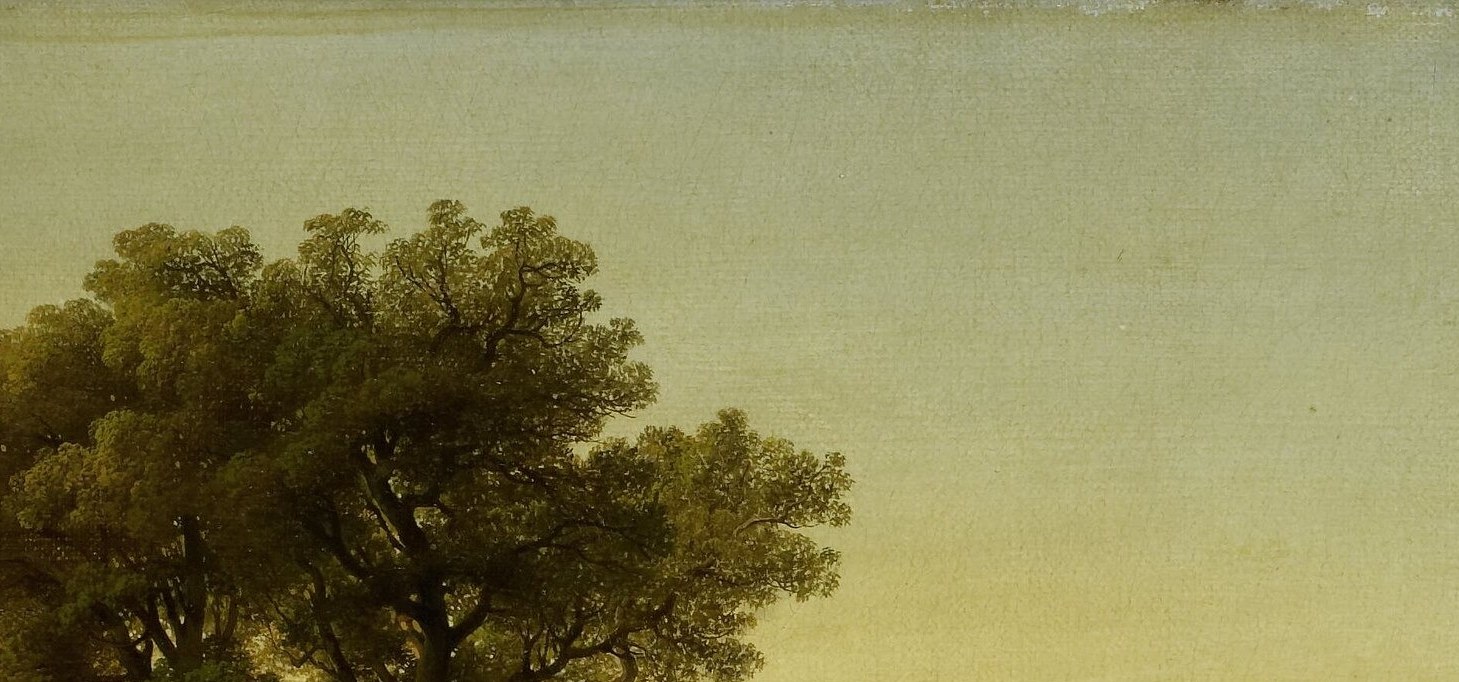
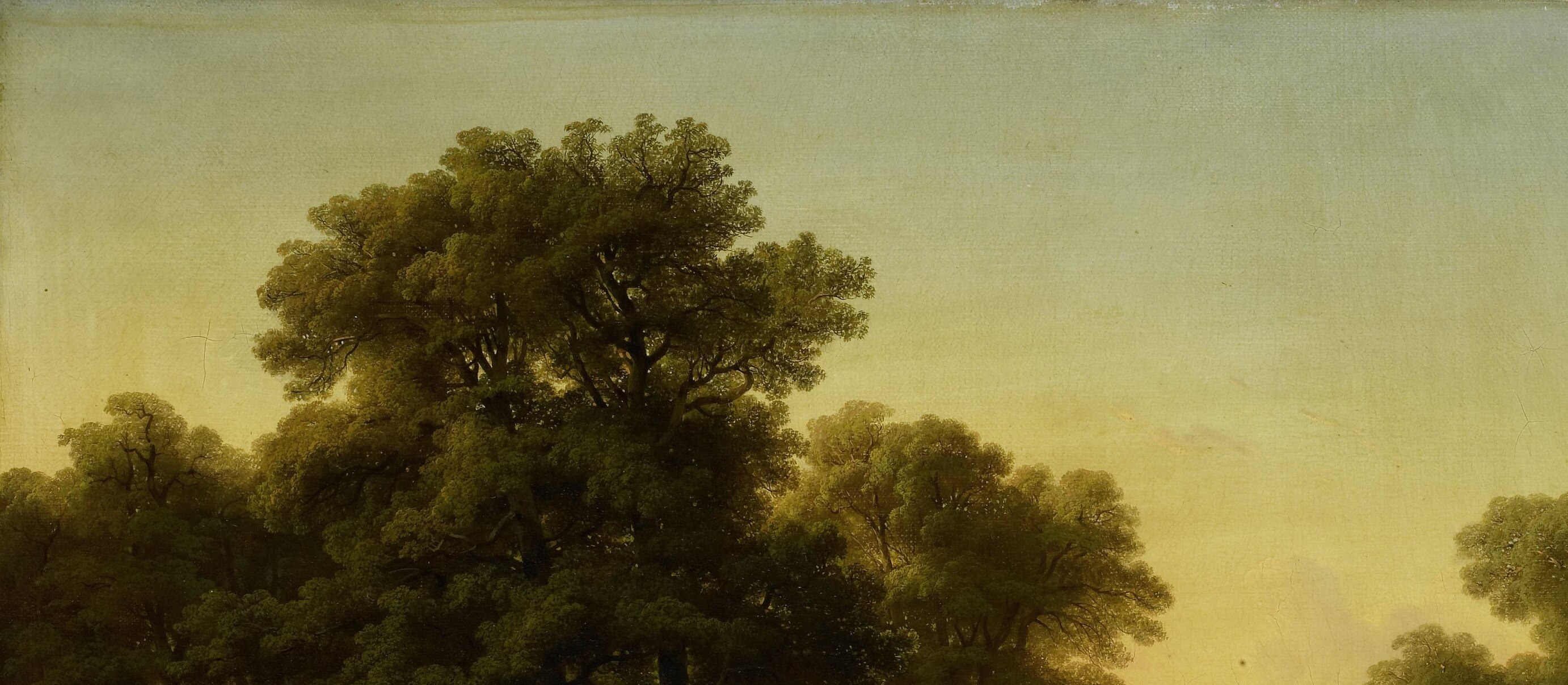
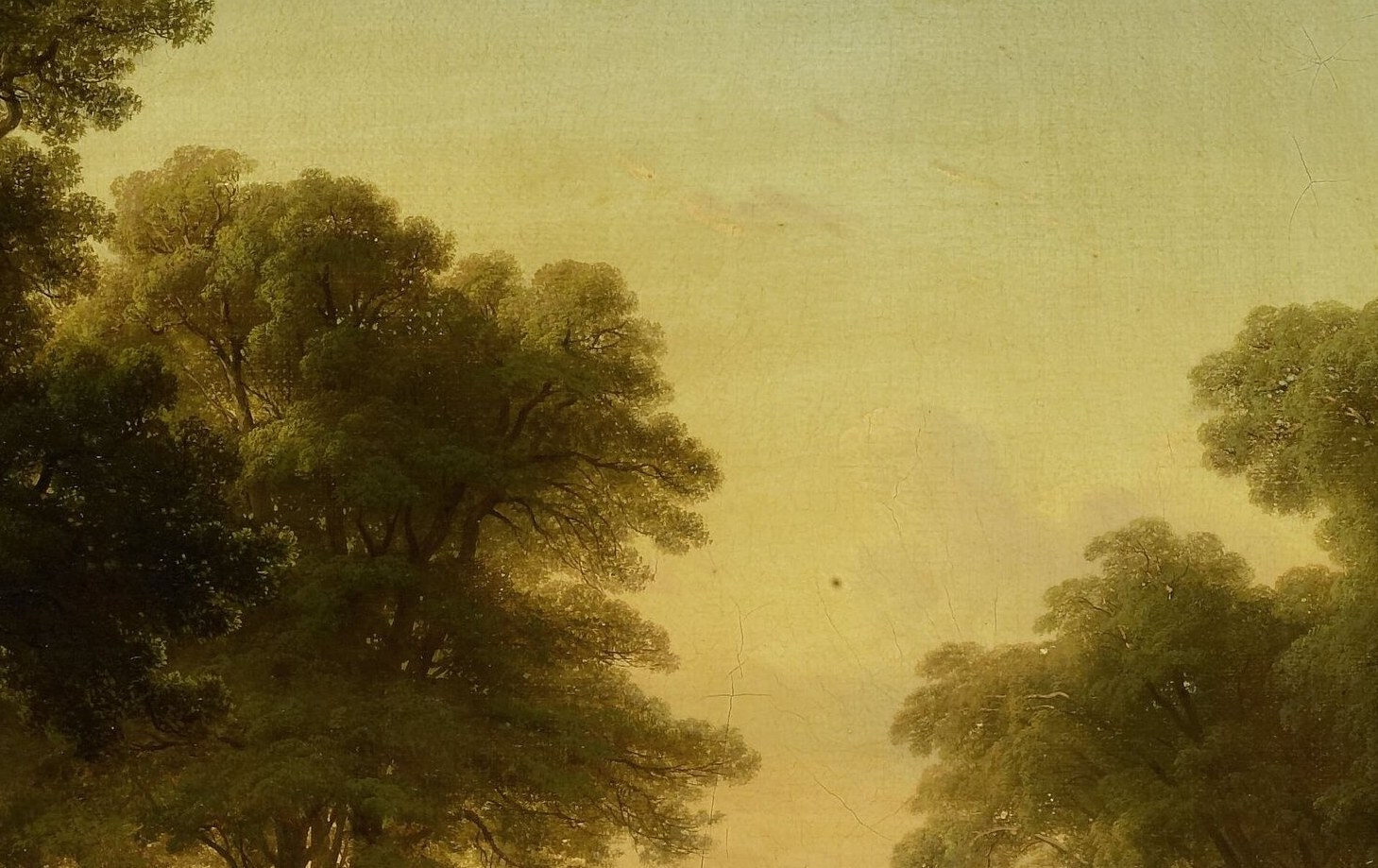
Calame's use of 'contre-jour', painting against the light, is evident in the striking contrast between the dark foreground trees and the luminous golden sky. Notice how the bright reflections on the river surface pull the light forward, creating the illusion that the light source is actually behind the viewer, not in the painting's sky.
Born in Switzerland, Calame (1810-1864) was renowned for his Romantic landscapes. This technique, where light and shadow are expertly balanced, was a hallmark of his style, giving his scenes a captivating, almost otherworldly glow. It allows the distant mountains to recede convincingly into a hazy blue, enhancing the painting's expansive feel.
It’s a powerful demonstration of how painters can bend light to their will, creating a scene that feels both real and magically illuminated. What effect does this dramatic lighting have on you?
Details
Transcript
This painter, Alexandre Calame, loved dramatic light. He often painted against the light, called 'contre-jour'. See how the bright sky punches through the dark trees. The light source is actually behind the viewer, not in the sky. He pulls the light forward using reflections on the water. This creates depth, pushing the mountains far into the haze. The whole scene glows from within, an impossible trick.