Philip IV as a Huntsman by Diego Velázquez
Diego Velázquez's "Philip IV as a Huntsman," painted in 1632, shows the King of Spain not just as a ruler but as an active participant in aristocratic sport. This portrait, held at the Museo del Prado, subtly reinforces his noble authority.
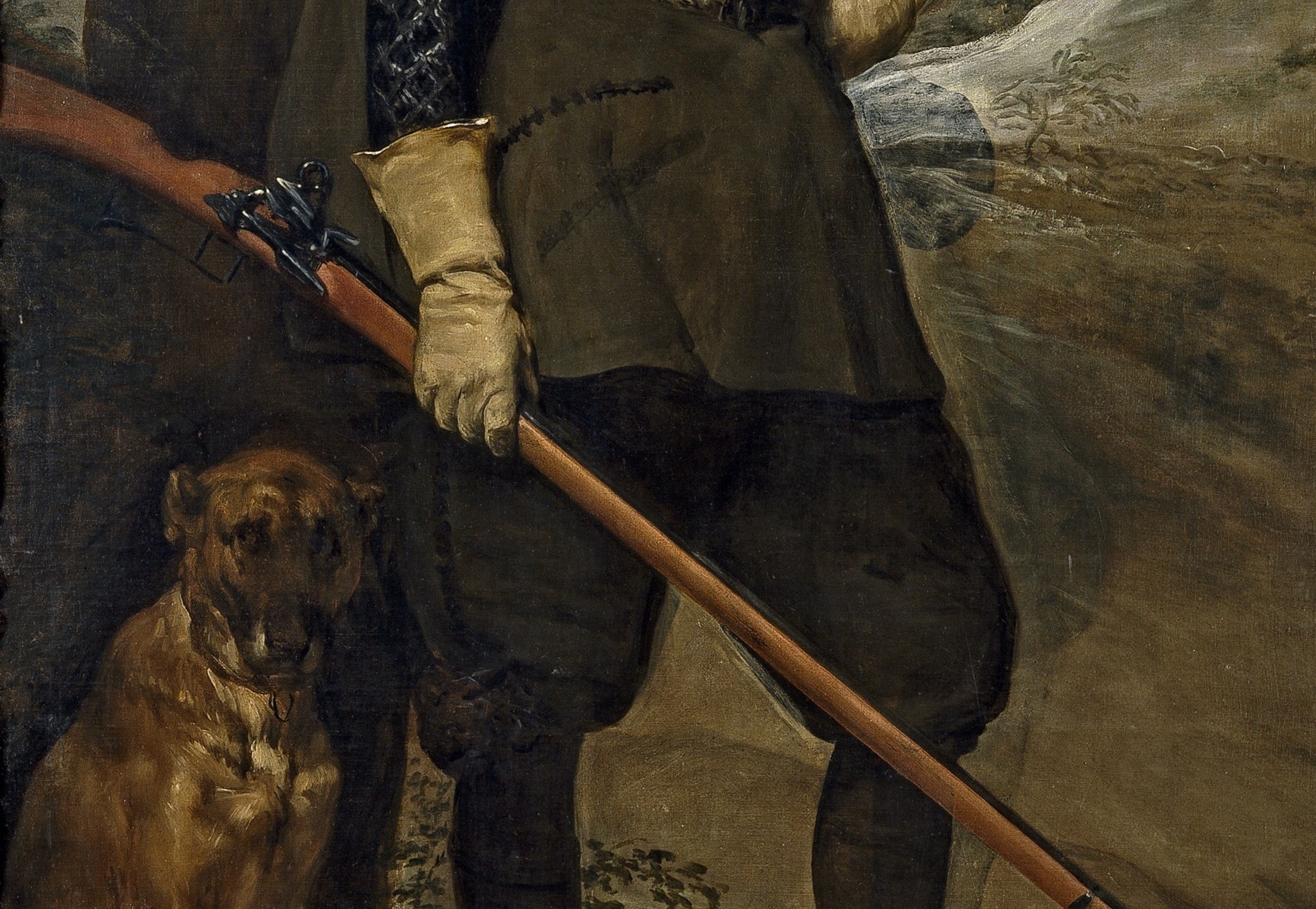
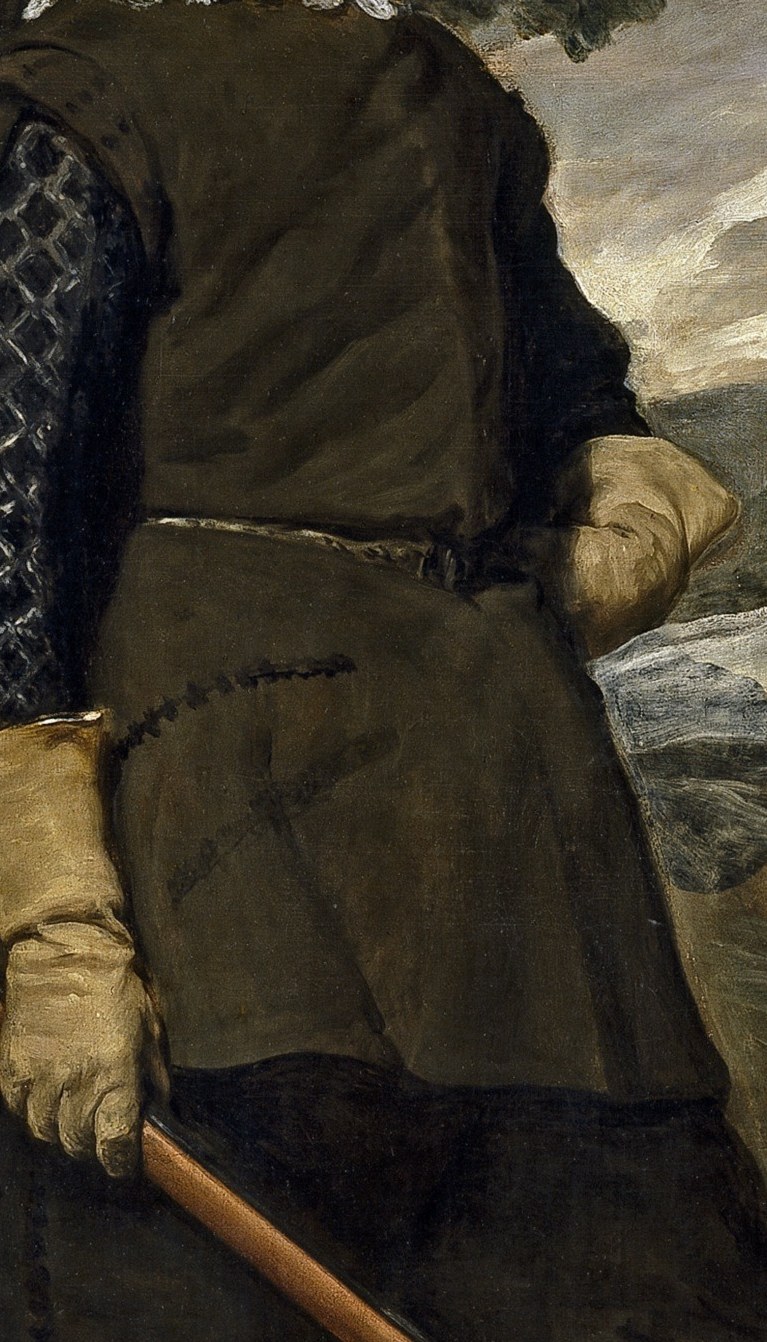
Notice the intricate details Velázquez rendered, even on the king's hunting attire. The embossed pattern on his sleeve, for instance, isn't immediately obvious but speaks volumes about the painter's skill and the royal status conveyed through every aspect of the king's presentation.
Velázquez, the leading artist in Philip IV's court, created this work as part of a series reinforcing the image of the king. It reflects the 17th-century Spanish court's emphasis on projecting regal dignity even through everyday activities like hunting.
What other hidden details do you think Velázquez used to convey status in his portraits?
Details
Transcript
This is Philip IV of Spain, painted in 1632. He is dressed for a hunt, rifle in hand, with his dog. Velázquez, his court painter, made several portraits of him. Look closely at his sleeve. Even his hunting clothes show his royal status. The painter used subtle patterns to show dignity, even in sport.