Four Cows by George Hendrik Breitner
George Hendrik Breitner's Four Cows (1901), at the Rijksmuseum, is a study in how paint itself can carry meaning. Painted outdoors with a loaded brush, the canvas records the artist's hand moving across it.
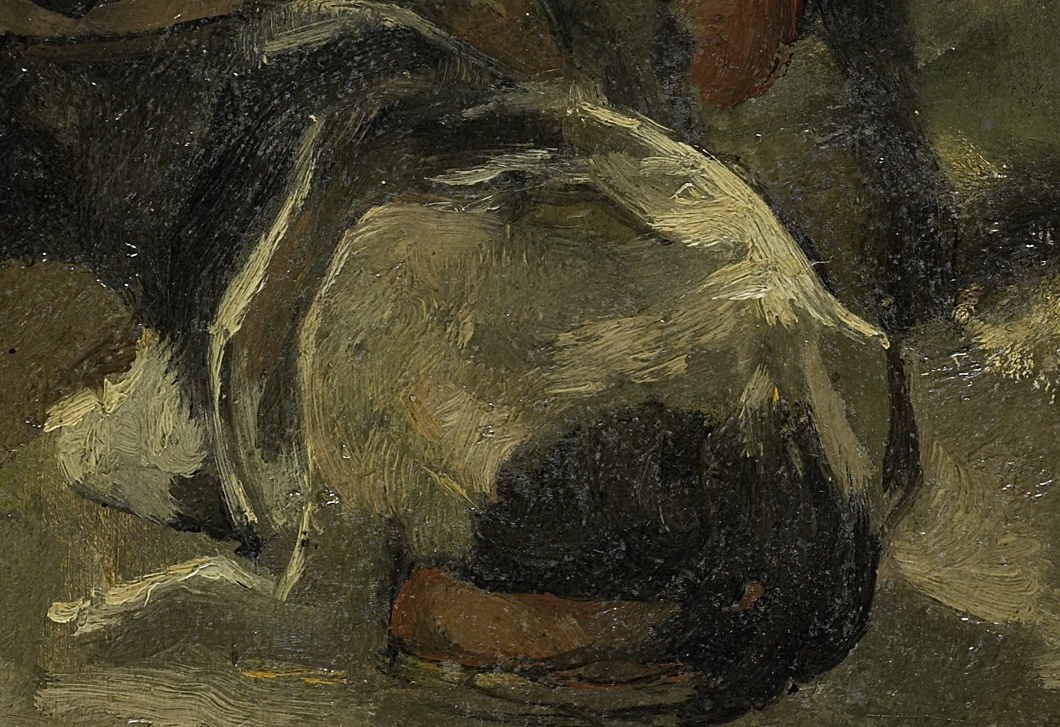
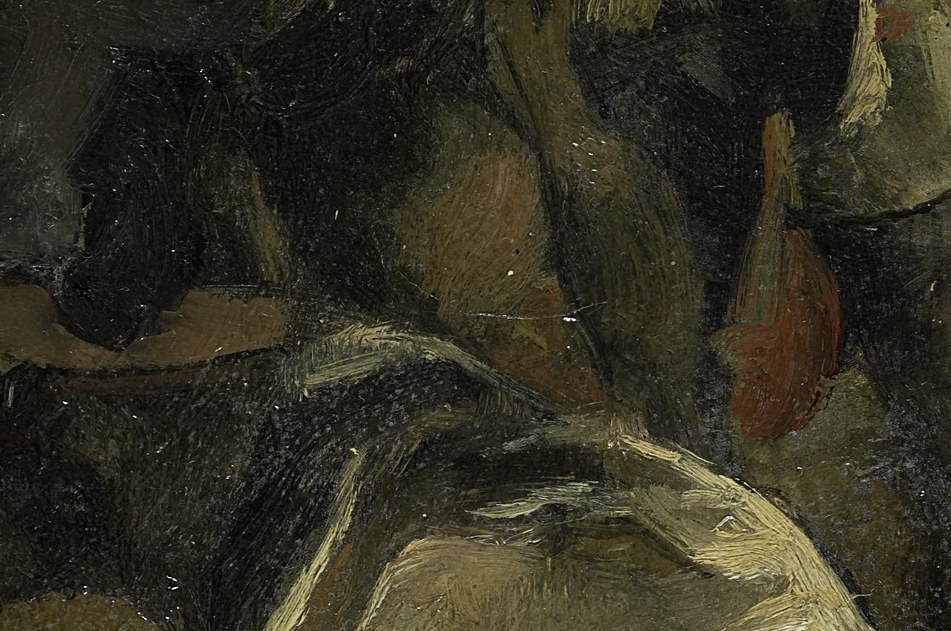
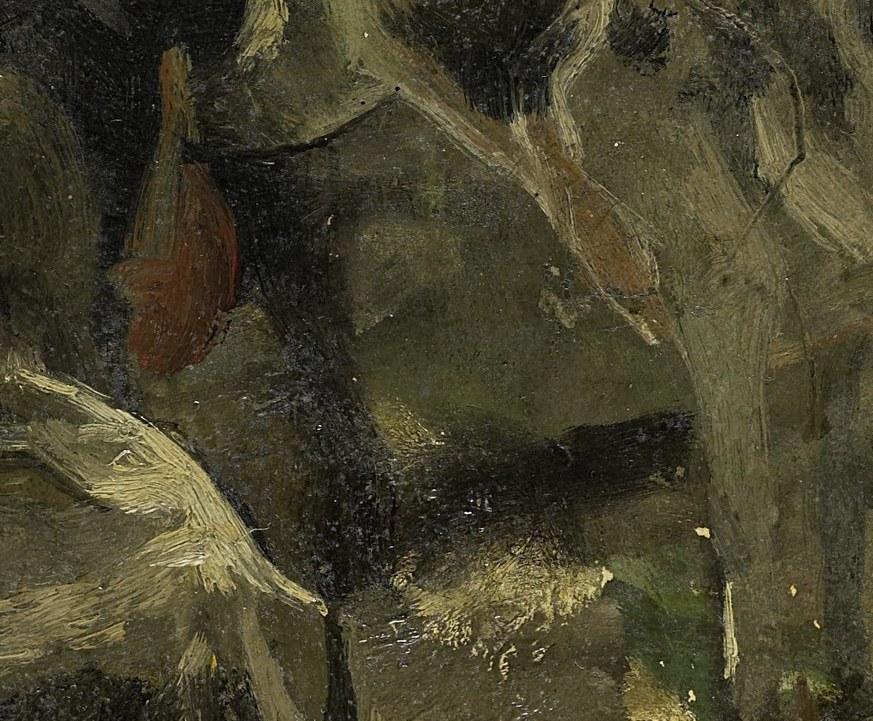
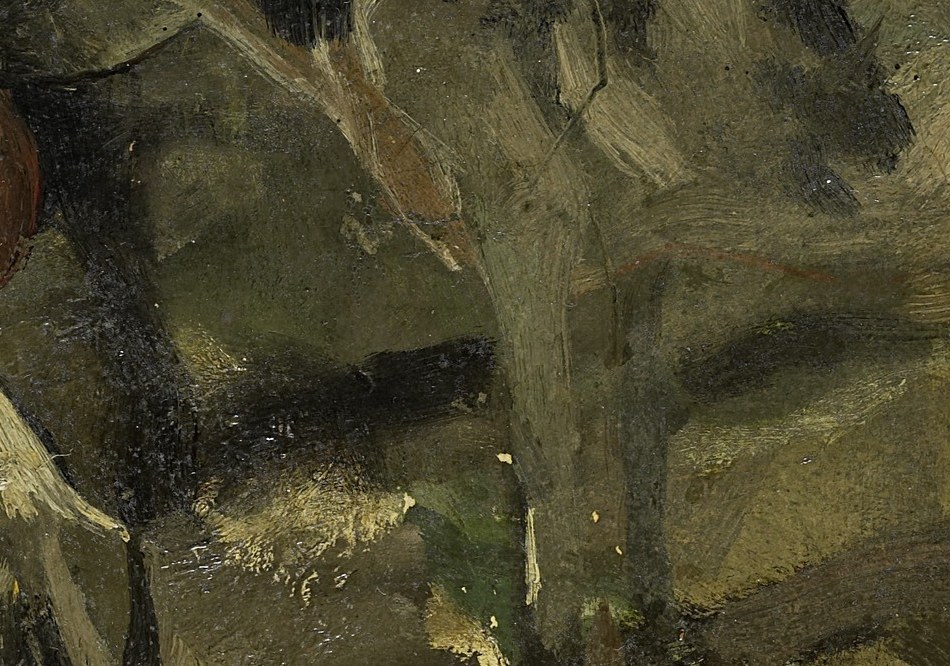
Step close and the cows dissolve into ridges of pigment. On the left, paint stands so thick it casts shadows on itself. On the right, Breitner eases off, strokes soften, blending returns. A single slash of reddish-brown breaks the earthy palette.
Breitner led Amsterdam Impressionism, known for street scenes and harbors. He worked en plein air and photographed his subjects before painting them. Four Cows entered the Rijksmuseum as part of its Dutch Impressionist collection.
From across the room: four cows in a field. From arm's length: a map of decisions, where to load the brush, where to pull back, where a stroke stands alone.
Details
Transcript
1901. Breitner walks into a pasture with his easel. He builds this cow in thick, unblended strokes. This close, the paint stands up from the canvas like plaster. Light and shadow emerge from nothing but loaded paint. Now look right. The strokes turn soft, almost restrained. A slash of red. The only warm note in the field.