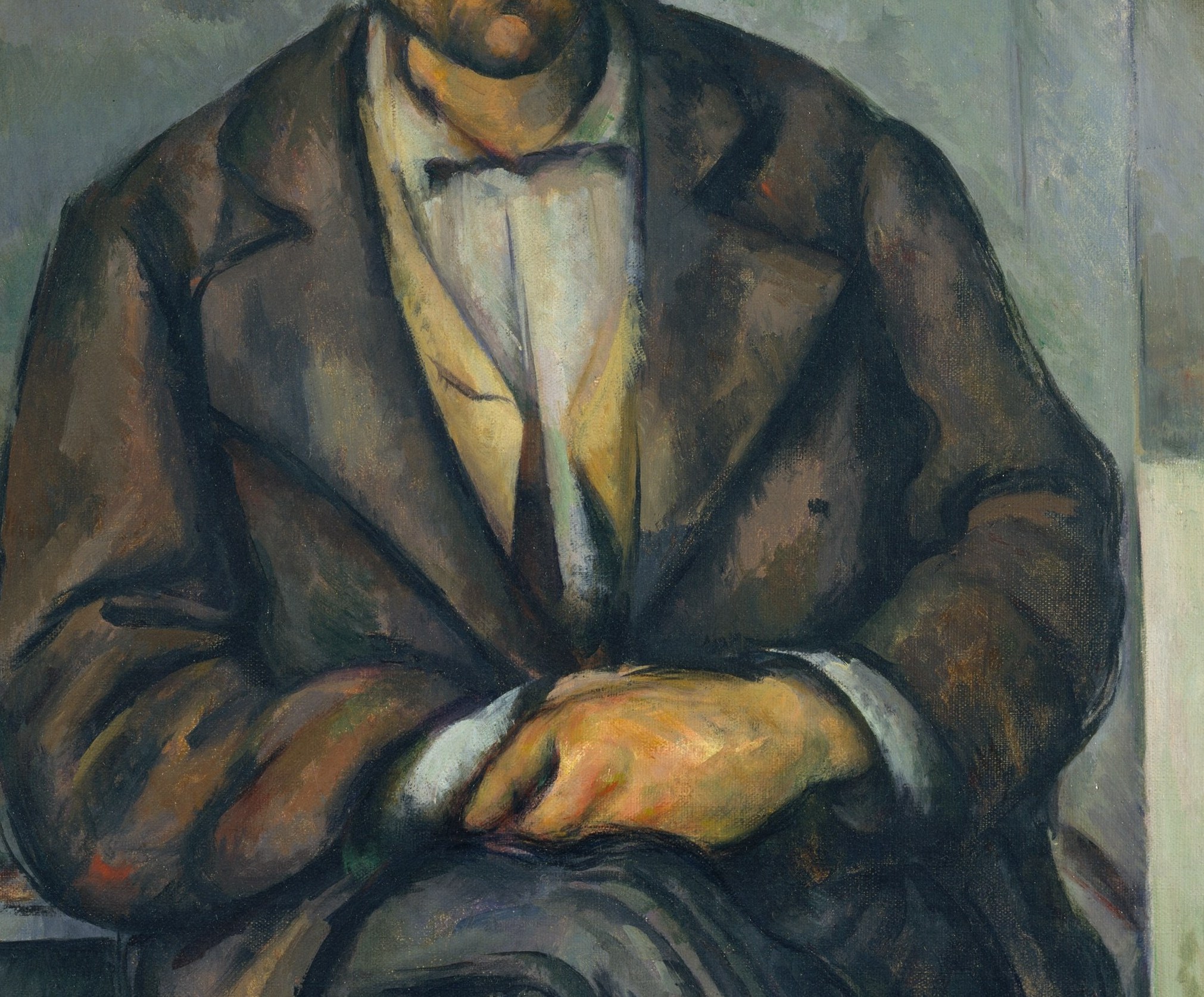
Seated Peasant by Paul Cézanne
Paul Cézanne's "Seated Peasant" (circa 1892-1896), housed at the Metropolitan Museum of Art, offers a quiet challenge to assumptions about its subject. Though likely a worker from Cézanne's family estate, the painting suggests a hidden depth to his life.
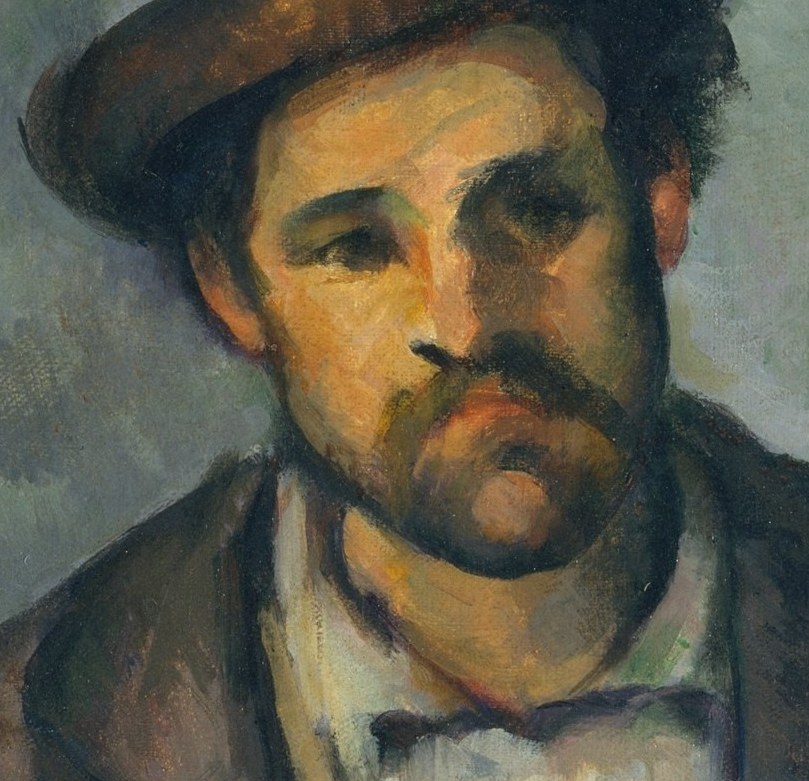
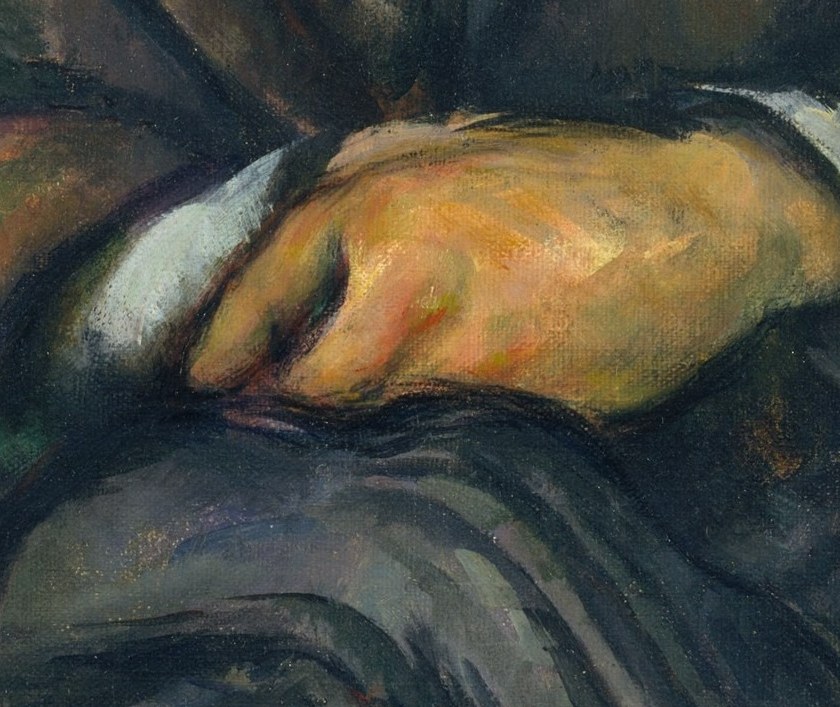
Look closely at the man's face and hands. They speak of a life defined by physical labor, reflecting the daily realities of his work. Yet, a subtle detail in the background expands our understanding of him.
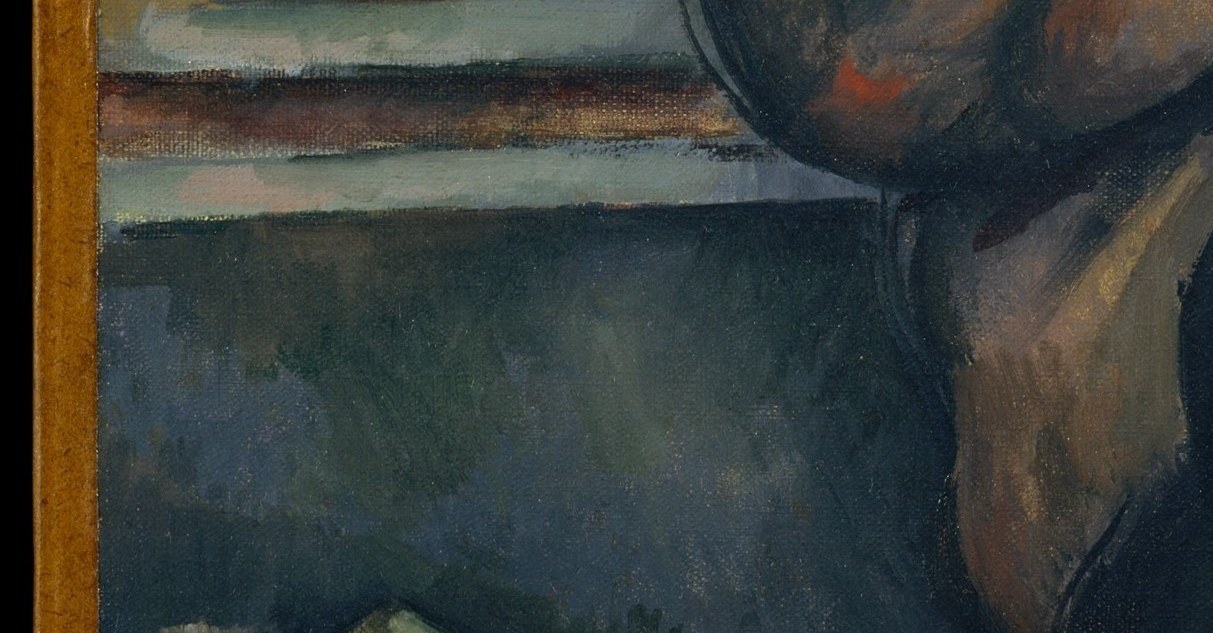
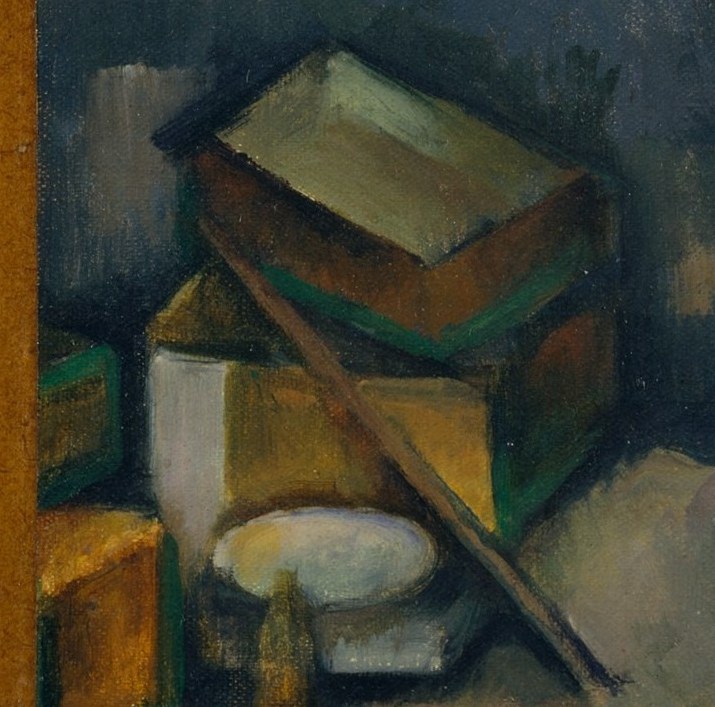
Behind him, resting on a simple ledge, a stack of books reveals another facet of his identity. These objects hint at literacy, suggesting a mind engaged in pursuits beyond his manual occupation. Cézanne often painted the laborers around his home, capturing not just their outward appearance but also an essence of their humanity. This painting reminds us that outward roles often conceal rich inner lives. What stories do you imagine these books told him?
Details
Transcript
This man worked the fields of Cézanne's family estate. His face suggests a life of labor, hard-won and quiet. His hands, too, show the signs of manual work. But on the ledge, behind him, something else appears. Here, a stack of books hints at his inner life. He was a peasant, but also a man who read.