Ildefonso Altarpiece by Peter Paul Rubens
Peter Paul Rubens' *Ildefonso Altarpiece*, painted around 1630-1631 and now housed at the Kunsthistorisches Museum in Vienna, is more than a religious scene; it's also a powerful piece of political propaganda.
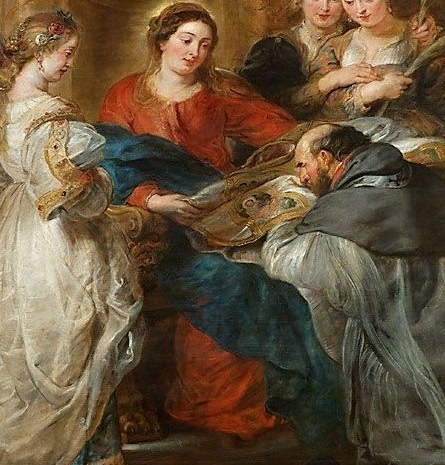
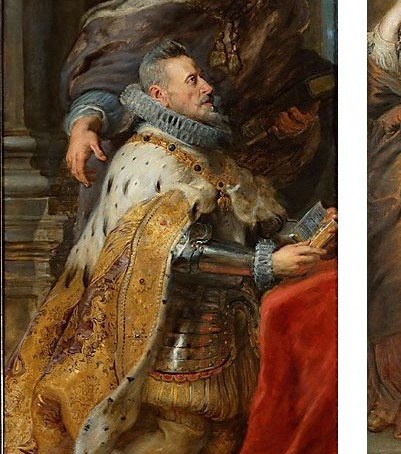
At first glance, the painting shows Saint Ildefonsus receiving a casula from the Virgin Mary, flanked by two rulers and their patron saints. But look closely at the figure of Saint Albert of Swabia on the left panel. Rubens depicted him with the distinct features of Regent Albert VII, who had recently passed away, subtly intertwining secular power with religious devotion.
Albert VII had founded the Ildefonso Brotherhood to encourage allegiance to the Habsburg dynasty. His widow, Isabella Clara Eugenia, commissioned this altarpiece shortly after his death for the Brotherhood's church in Brussels. By presenting her late husband as a saint, she reinforced the divine right and legitimacy of their rule.
This clever detail highlights how art was often used to serve both spiritual and political agendas in the 17th century. What other subtle messages do you think paintings from this era might contain?
Details
Transcript
This altarpiece celebrates a divine miracle. The Virgin Mary grants Saint Ildefonsus a sacred vestment. The rulers of the Spanish Netherlands commissioned it in 1630. It was meant to inspire loyalty to the Habsburg dynasty. Look closely at the saint on the left panel. That is no saint. It's a hidden portrait of Regent Albert VII.