Still Life by http://www.wikidata.org/.well-known/genid/607bfe3d97d134f4599b0b4f9a03f187
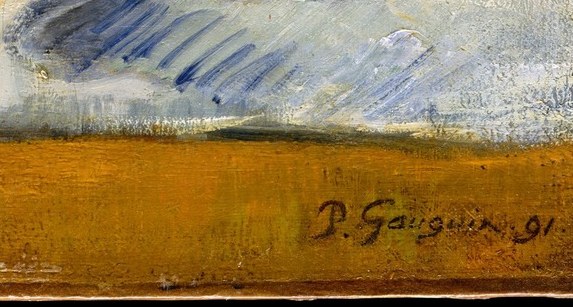
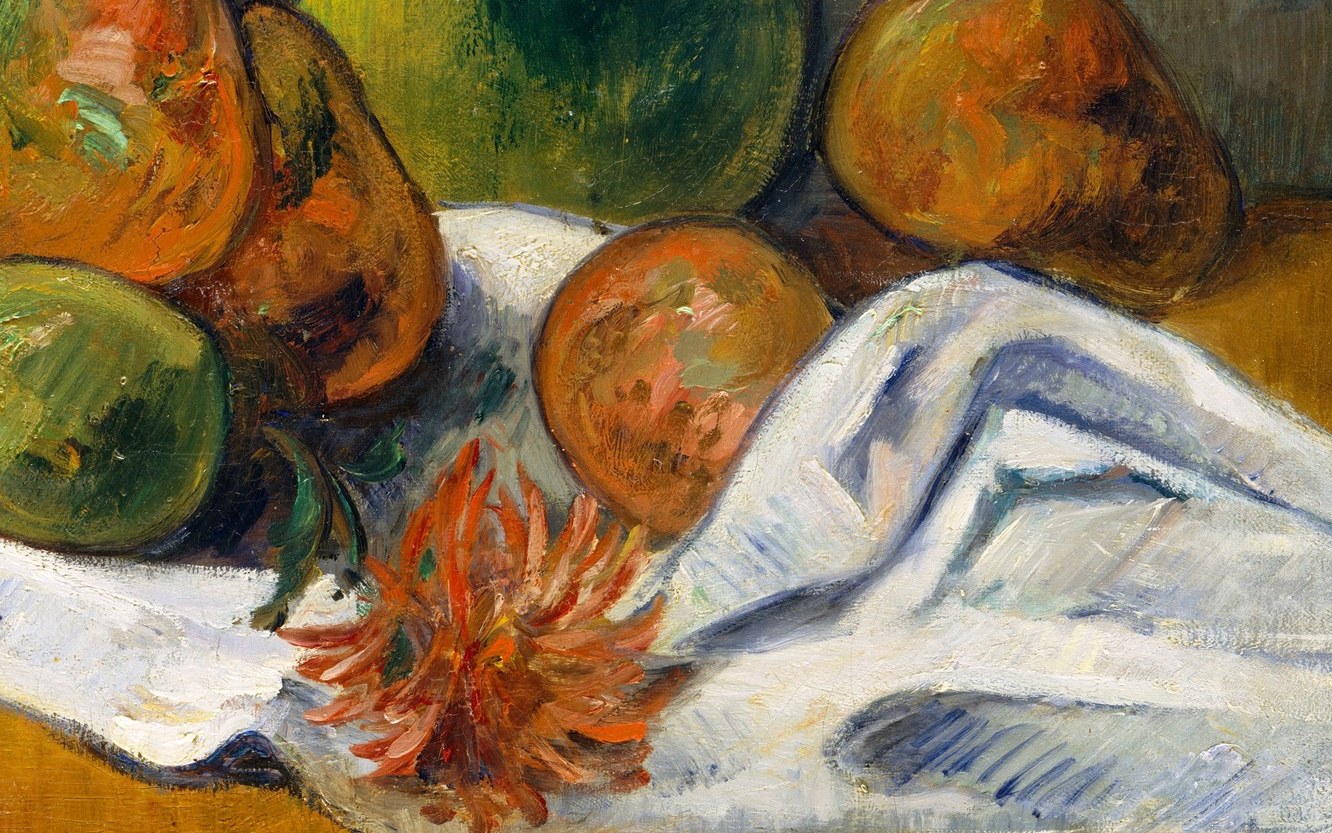
This is Emile Schuffenecker's Still Life with Oranges and Vase, painted around 1900, and it sits at the center of one of art history's strangest authentication sagas.
Schuffenecker was a close friend of Paul Gauguin. He collected Gauguin's work, copied it, and after Gauguin left for Tahiti, he finished his unfinished canvases. This painting is so close to Gauguin's hand that it was submitted as a genuine Gauguin and later became a key exhibit in a French court case over forgery.
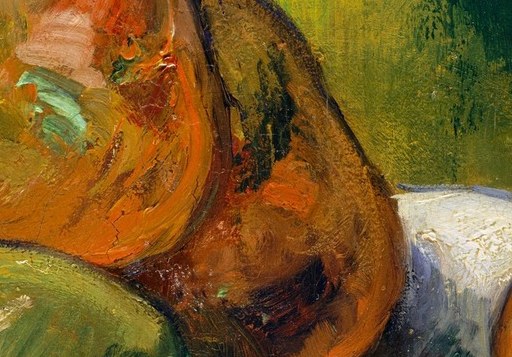
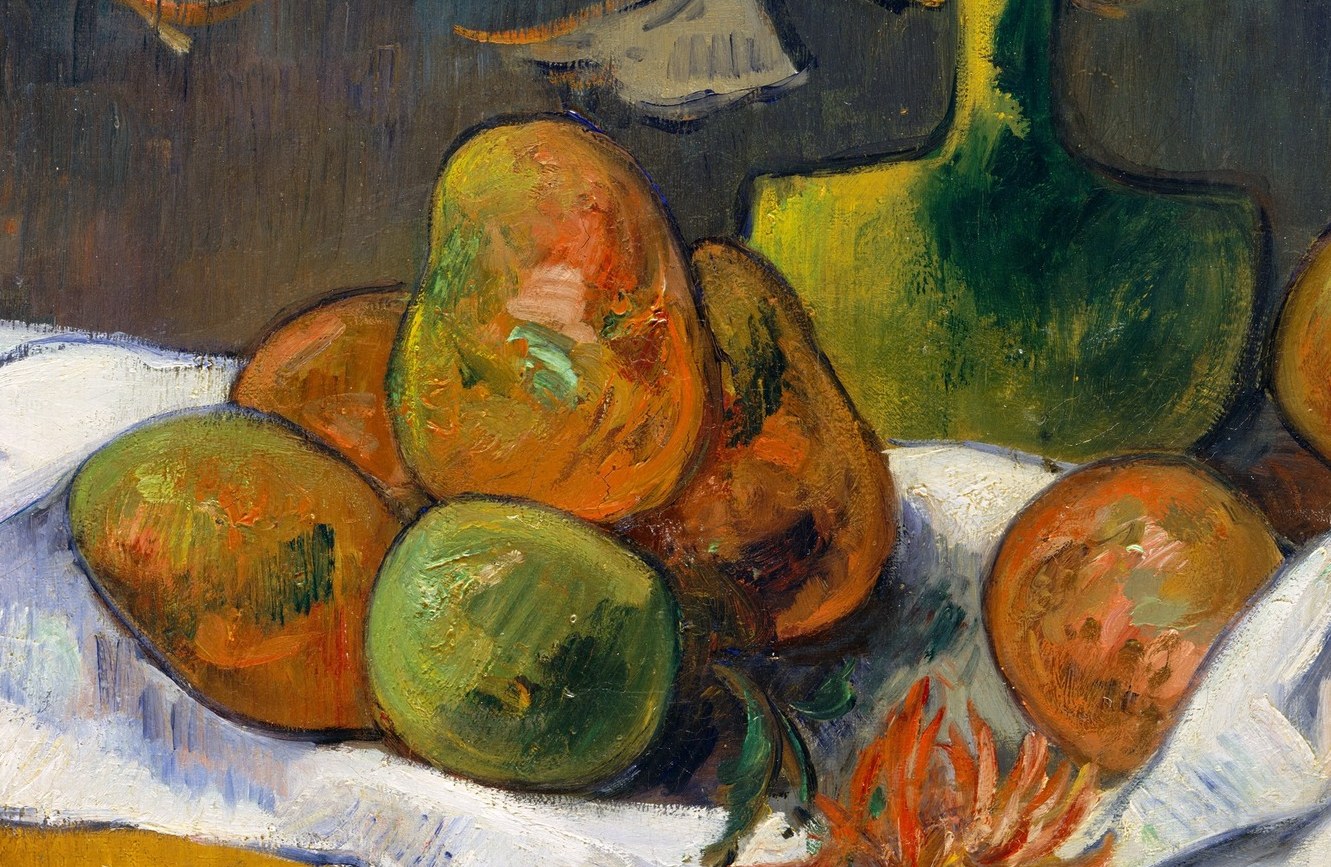
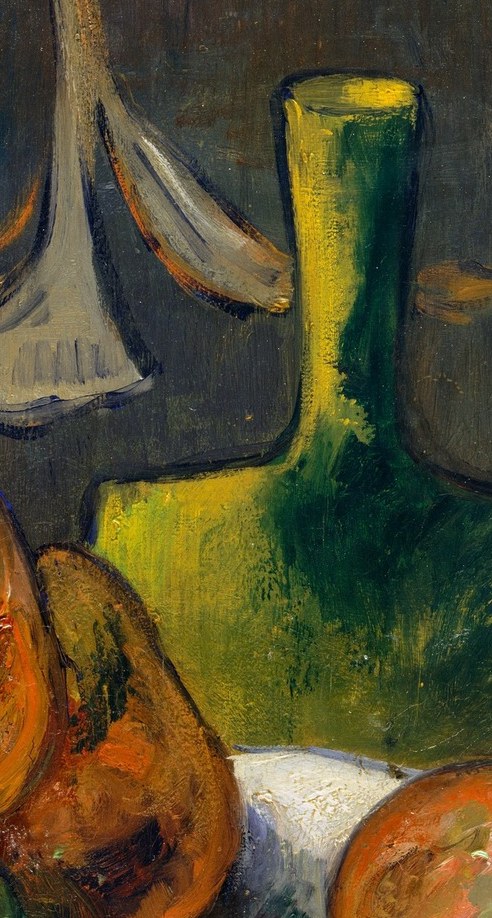
The brushwork tells you why the confusion exists. Look at that single creamy highlight on the foremost orange, it's thick impasto, applied in one confident stroke. The green vase and unripe fruit are deliberate color counterpoints Gauguin himself would have applauded. Schuffenecker didn't just copy; he absorbed a way of seeing.
The court ultimately ruled that Schuffenecker was not a forger in the criminal sense. He was something stranger: a painter who learned to paint like his friend so completely that even experts could not always tell them apart.
Details
Transcript
This painting ended up in a courtroom. Not for what it shows, but for who signed it. The man who painted this signed it with a false name. Look at the paint itself. Thick, urgent, almost sculptural. He built an orange with one stroke of white. The court needed to know: was this a real Gauguin?