El Rio de Luz (The River of Light) by Church, Frederic Edwin
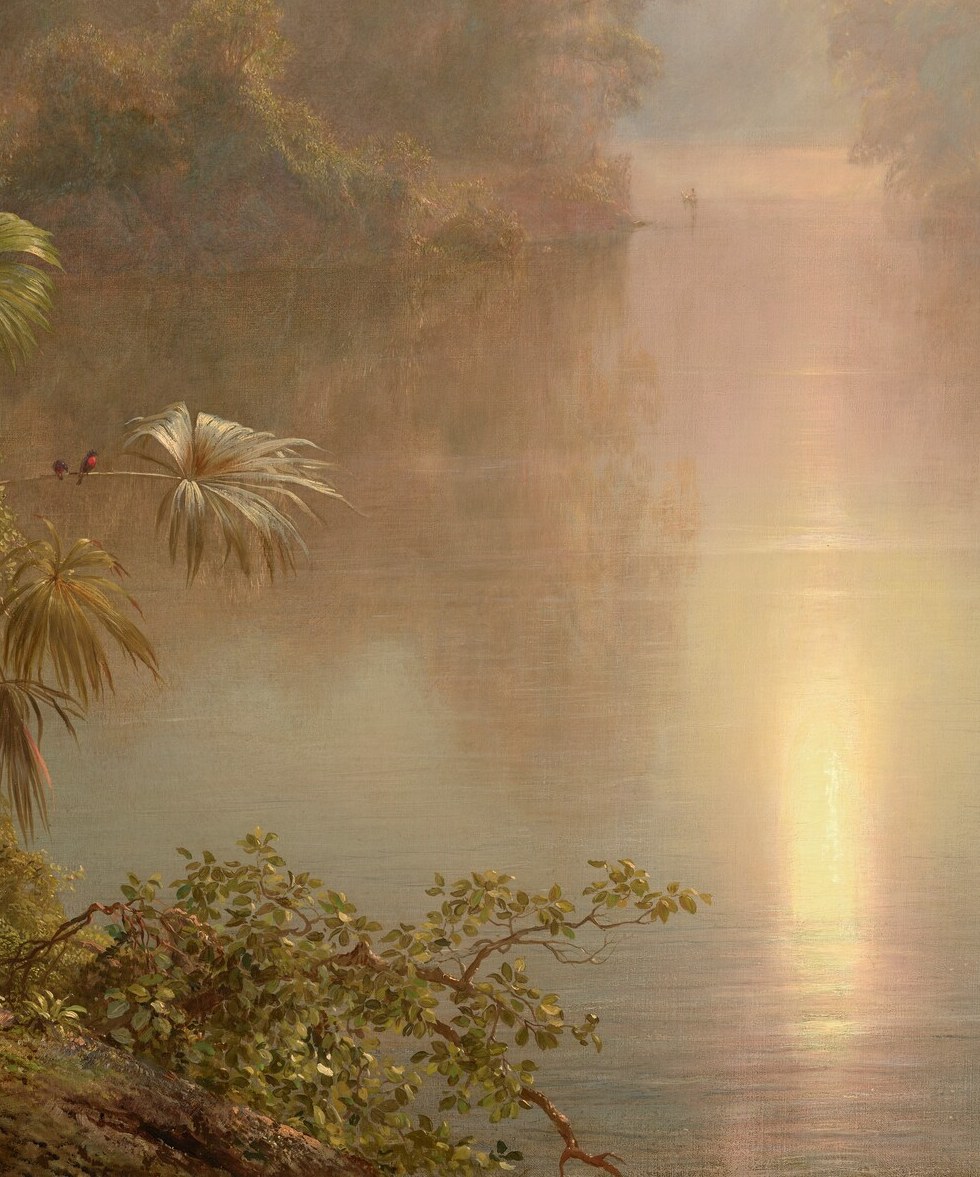
Frederic Edwin Church’s “El Rio de Luz” (The River of Light), painted in 1877, is a luminous oil on canvas held at the National Gallery of Art. It's not a direct depiction of one place, but a masterful composite of his memories from South American travels decades prior.
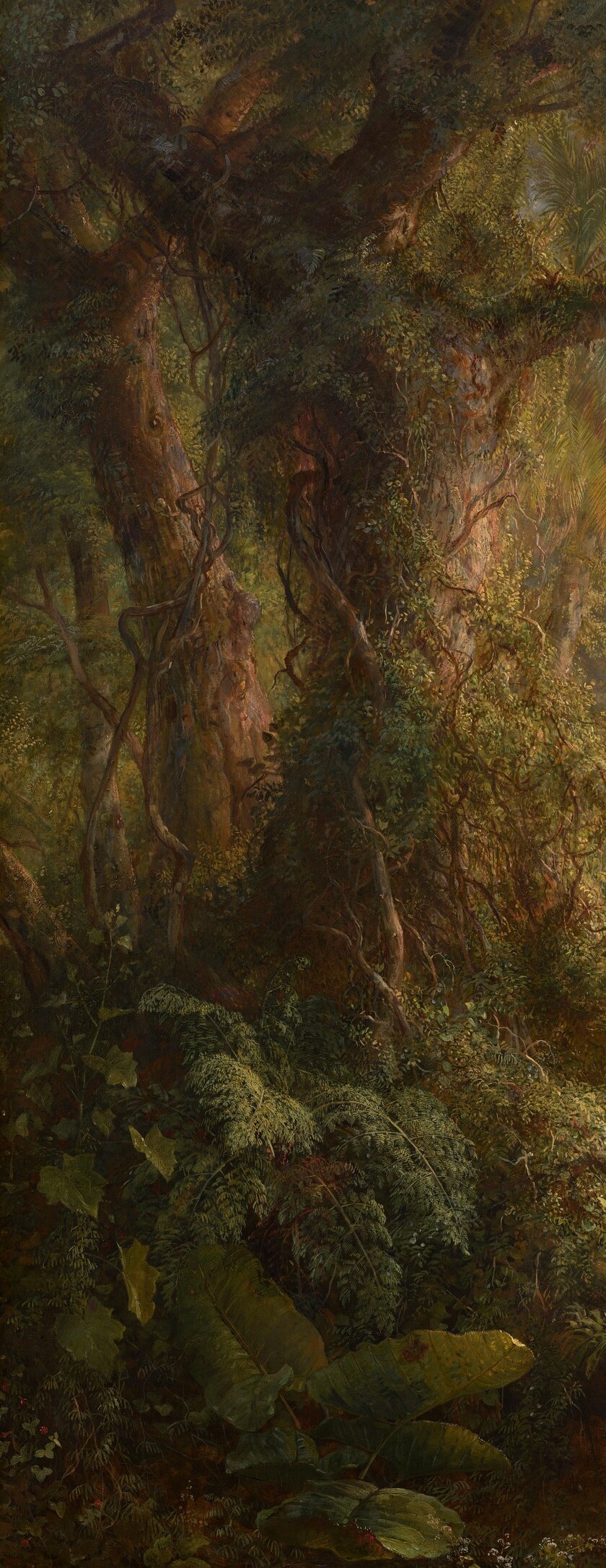
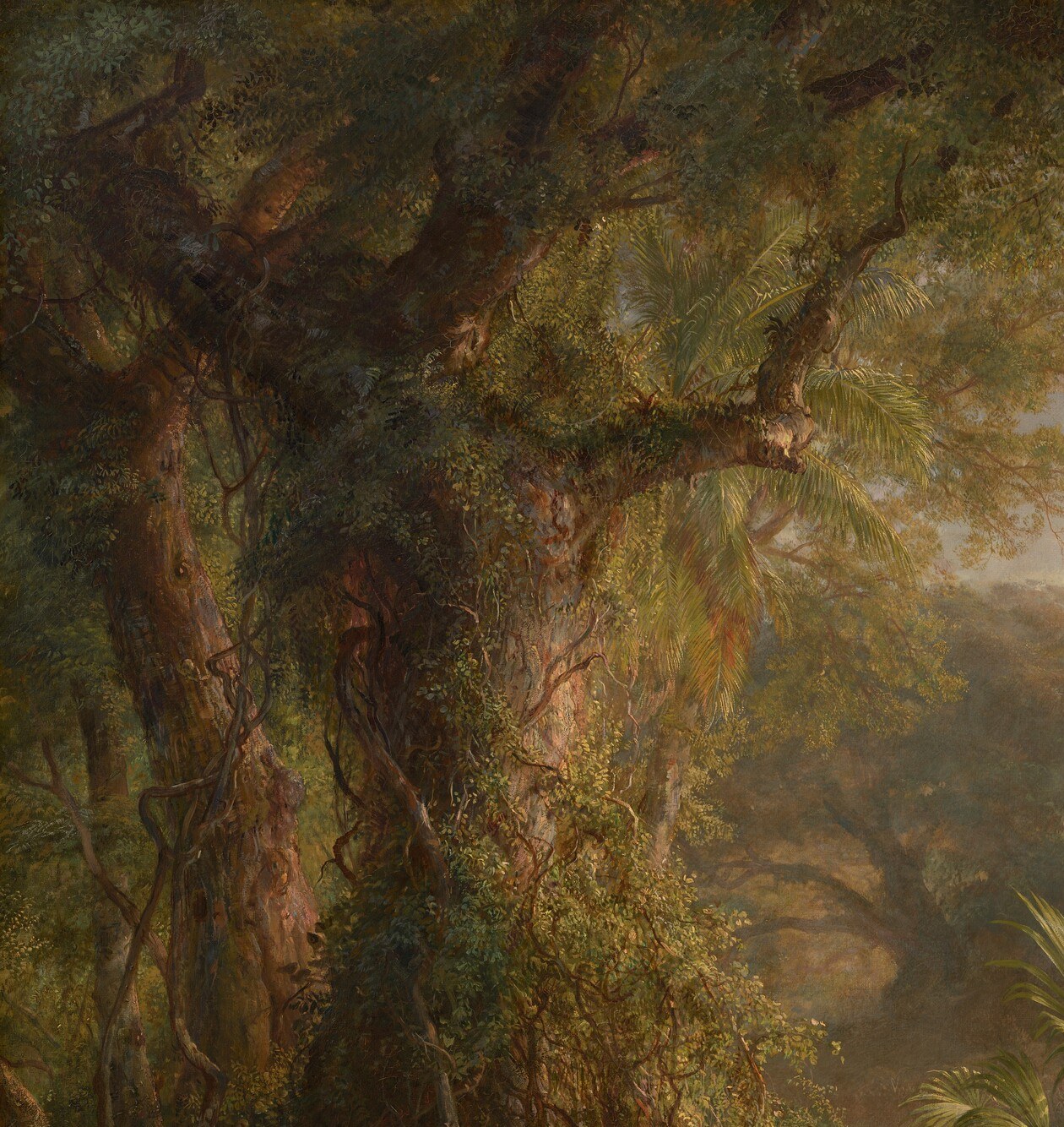
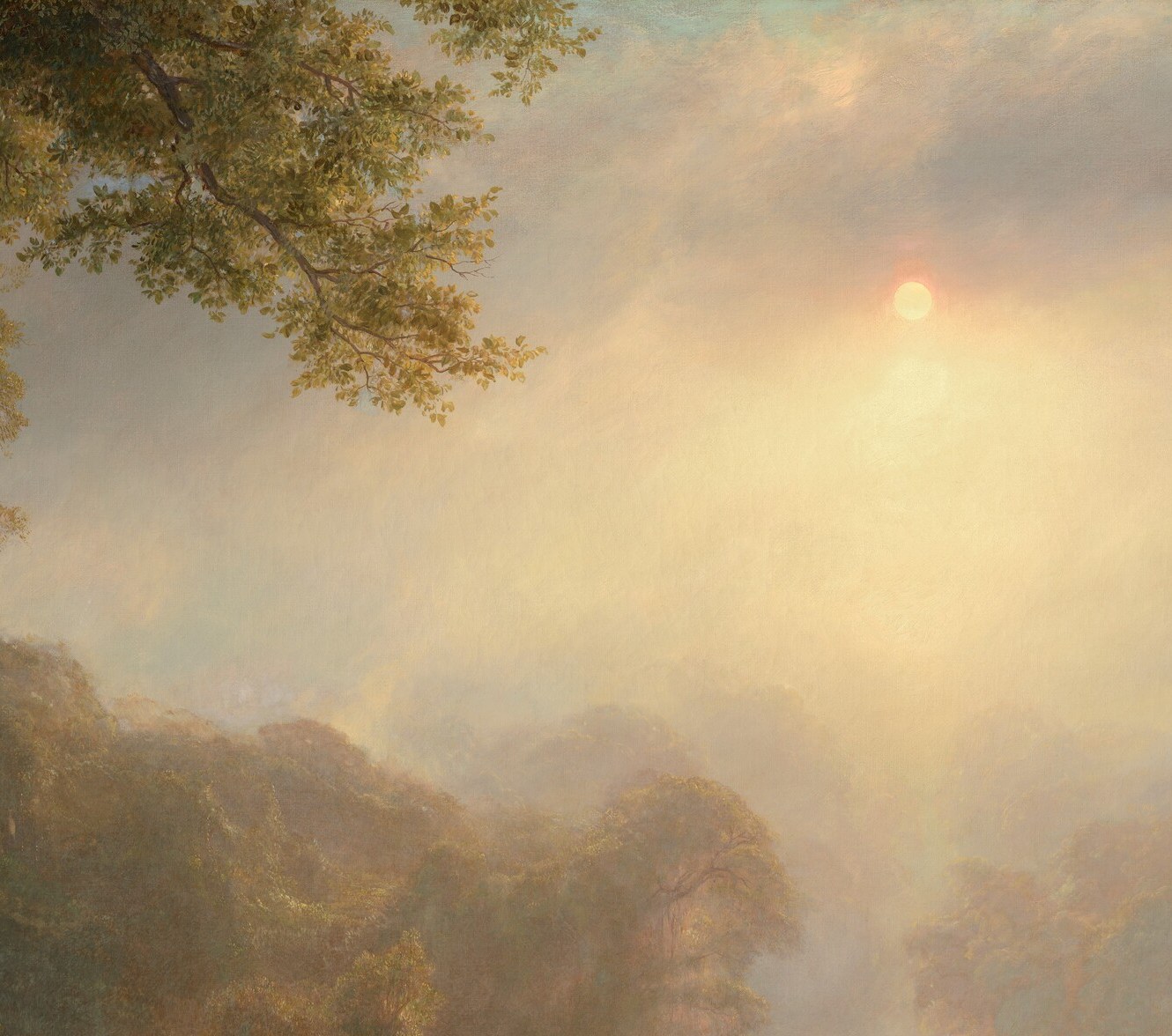
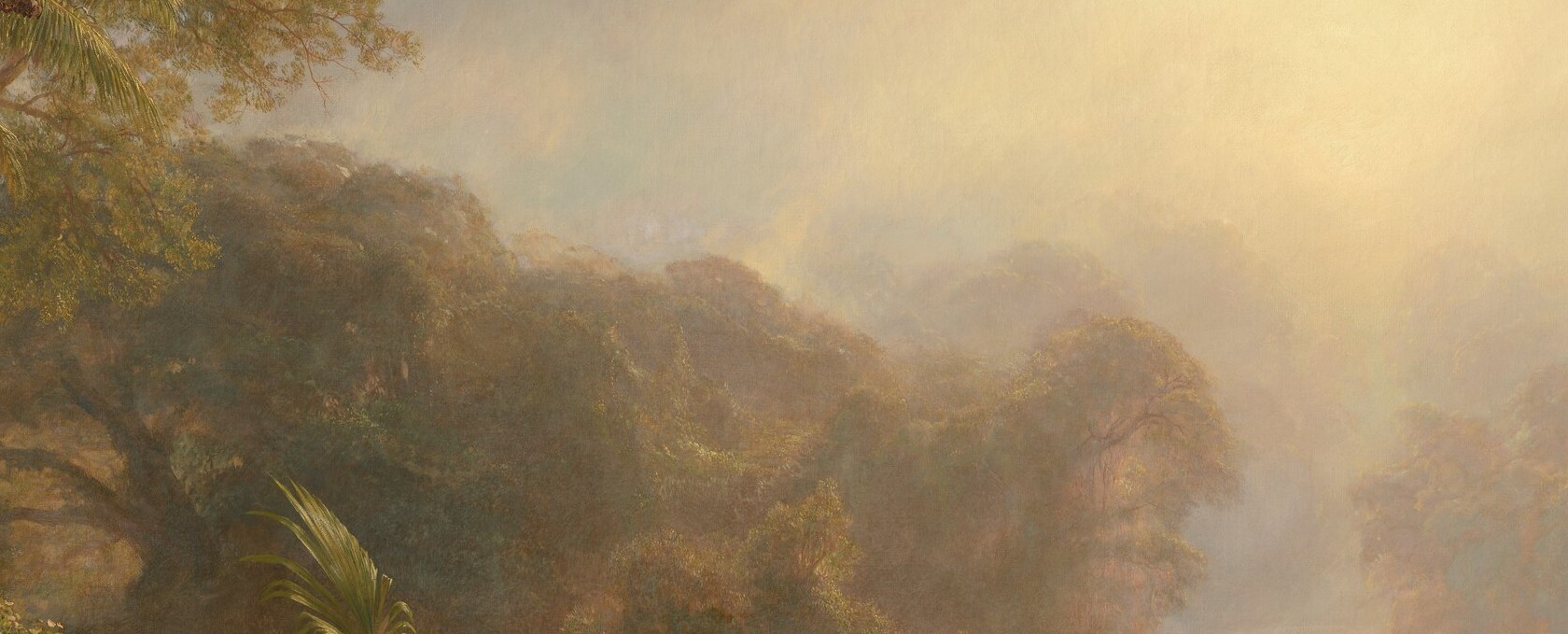
Look closely at the ethereal quality of the light, especially the sun pillar in the sky and its reflection on the water. Church, a practitioner of “luminism,” created the illusion that the light emanates from within the painting itself. Notice the rich details of the tropical foliage, pieced together from his extensive field sketches.
This painting marks Church's final large-scale South American landscape, a subject that captivated him throughout his career. He carried these studies for years, building these grand landscapes back home in his studio, creating an idealized, yet deeply felt, vision of the tropics.
It’s a powerful testament to memory and imagination, transforming a distant continent into an internal, radiant dream.
Details
Transcript
This isn't a single place, but a dream of the Amazon. The painter composed it from sketches made decades earlier. He remembered these dense tropical vines and fronds. And this unique light, almost vibrating in the air. This technique, called luminism, makes the light feel internal. It was his last great painting of South America, finished in 1877.