Industrial Plant by Antoine Chintreuil
Antoine Chintreuil's 1867 painting, *Industrial Plant*, captures a quiet, unidealized view of an industrial site during a period of rapid change. This work, held in a prominent museum, shows how human development began to shape the natural world.
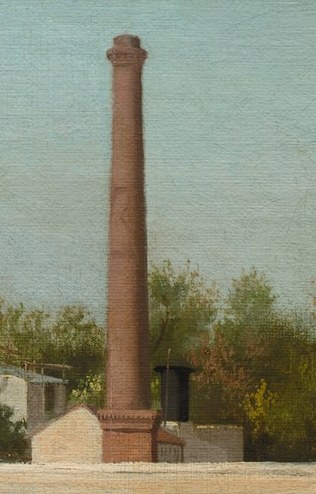
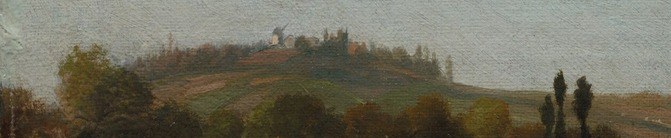
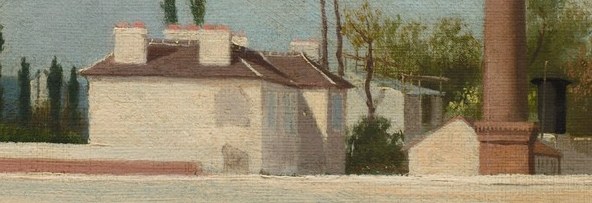
Look closely at the tall chimney, a clear symbol of the era's industrial progress. Yet, the artist balances this with elements like the distant rolling hills and the enduring cypress trees, showcasing nature's persistent presence.
Chintreuil, a French landscape painter, was known for exploring the interplay between human intervention and the natural world, aligning with the Realism movement. Though often associated with precursors to Impressionism, he maintained an independent artistic path. He also played a significant role in organizing the Salon des Refusés in 1863, advocating for greater artistic freedom.
This painting offers a serene glimpse into a moment where industry and nature coexist, inviting us to consider their ongoing relationship.
Details
Transcript
Antoine Chintreuil painted this 'Industrial Plant' in 1867. It was a time of rapid industrial growth across Europe. The tall chimney symbolizes this new era of industry. Yet, the artist often explored nature's power to endure. He captures the quiet harmony between these two worlds. A moment where industry meets the unchanging landscape.