Peasant Children Dancing by http://www.wikidata.org/.well-known/genid/0da5d38690fde0d4be7508dce45b8253
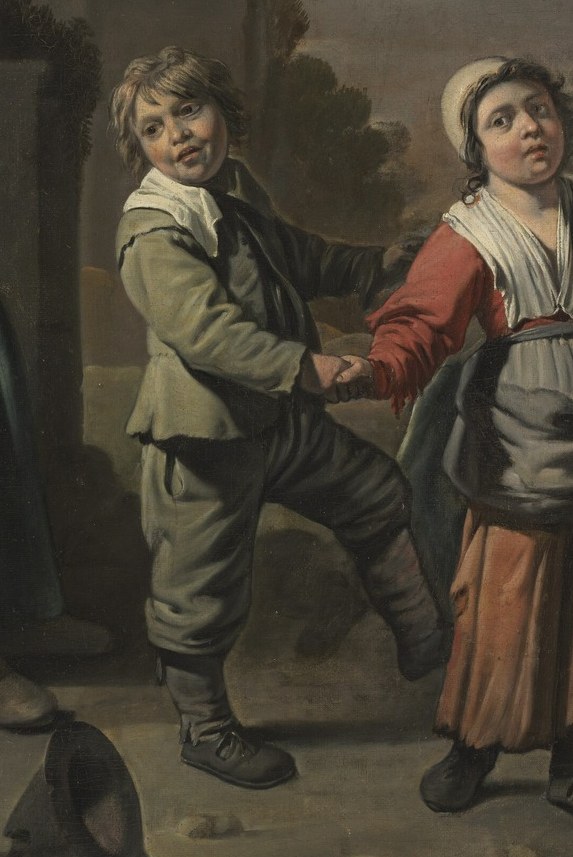
Nicolaes Maes's "Peasant Children Dancing" (1654) at the Royal Collection isn't merely a charming genre scene, but a visual sermon on the proper upbringing of children. Maes, who was also a teacher in his community, imbued his work with layers of meaning.
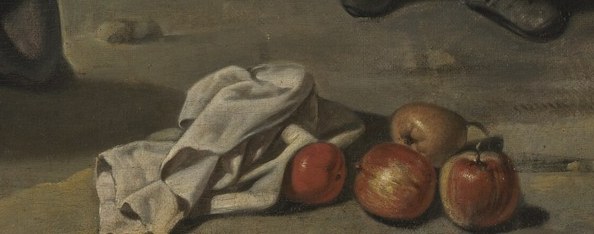
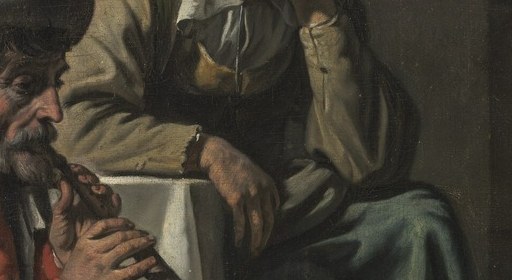
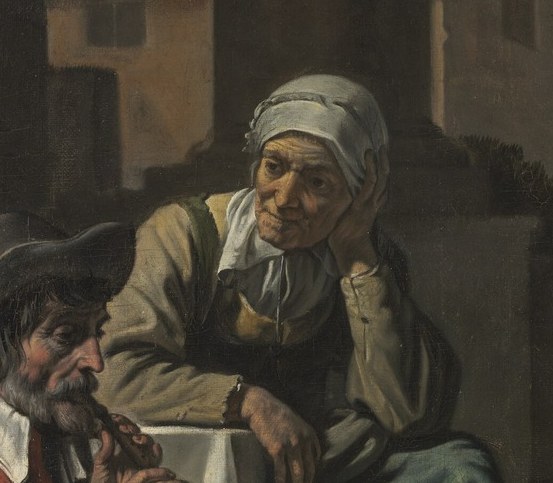
The lively dancing children represent innocent recreation, a vital part of childhood. Look closely at the apples scattered on the ground, suggesting generosity and sharing among the community. The child holding a scroll and the elderly woman guiding a young man to a book underscore the importance of education and moral instruction.
Maes masterfully integrated these elements, transforming an everyday scene into a didactic message for his contemporaries. He used art to reflect and reinforce the values he taught, making this painting a unique blend of observation and pedagogy.
What other subtle lessons do you think Maes might have included in this bustling scene?
Details
Transcript
This painting isn't just children dancing. It's a coded lesson on how to raise children. The dancing children show proper innocent recreation. While apples, freely shared, teach generosity. The scroll symbolizes education and moral instruction. And this elderly woman guides a child to a book. This painter, a local teacher, hid his curriculum in plain sight.