The Continence of Scipio by Karel van Mander the Elder
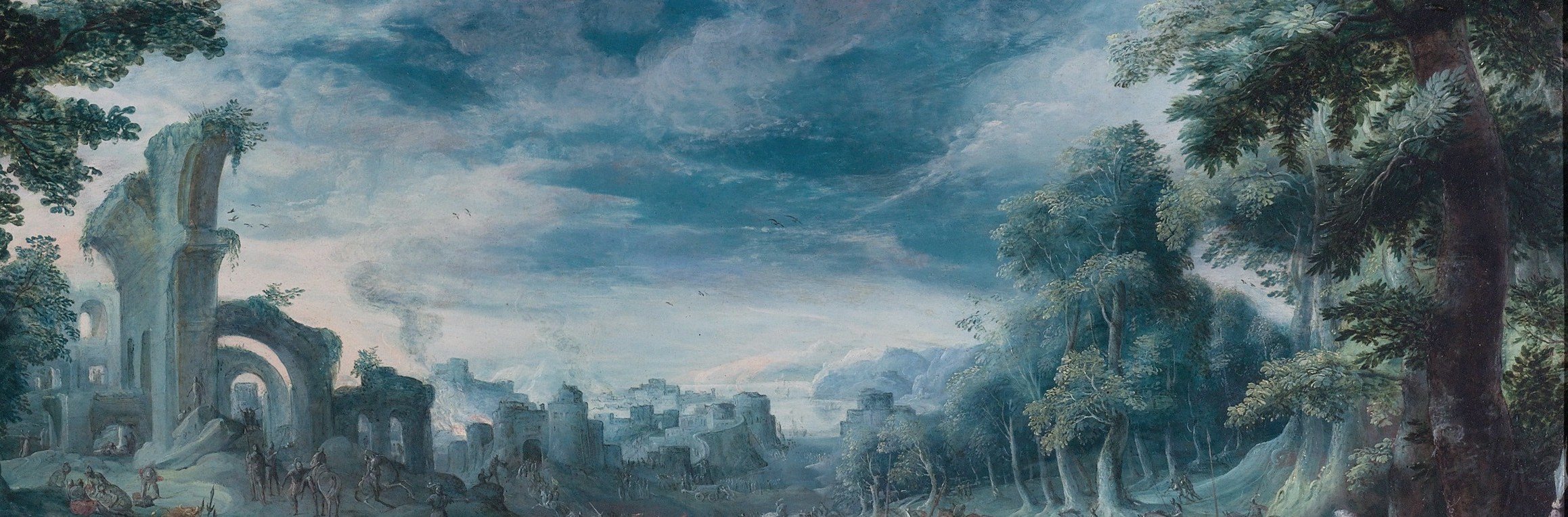
Karel van Mander the Elder's 'The Continence of Scipio,' painted on copper in 1600, depicts a classical story of virtue and restraint.
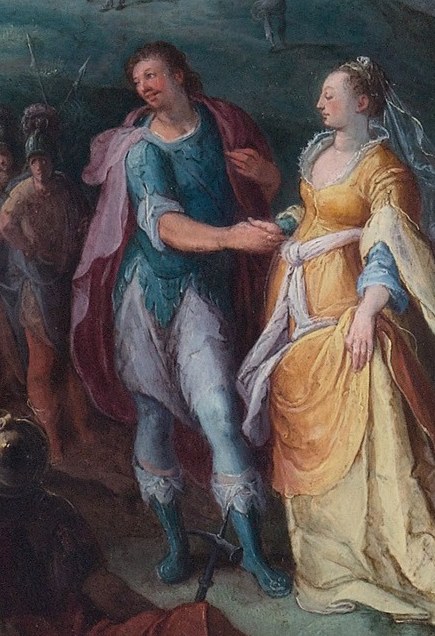
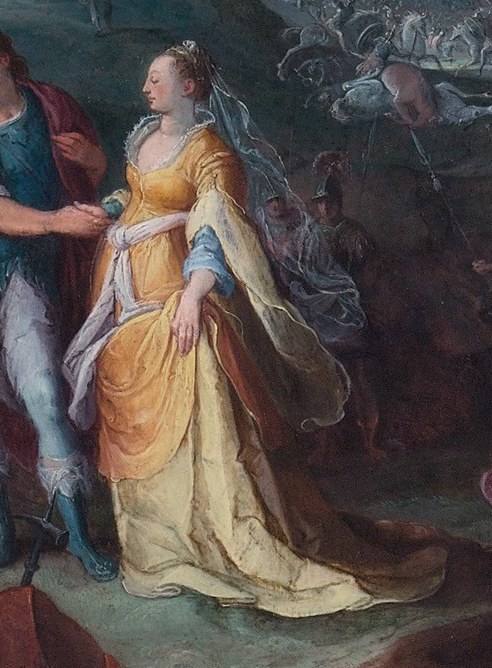
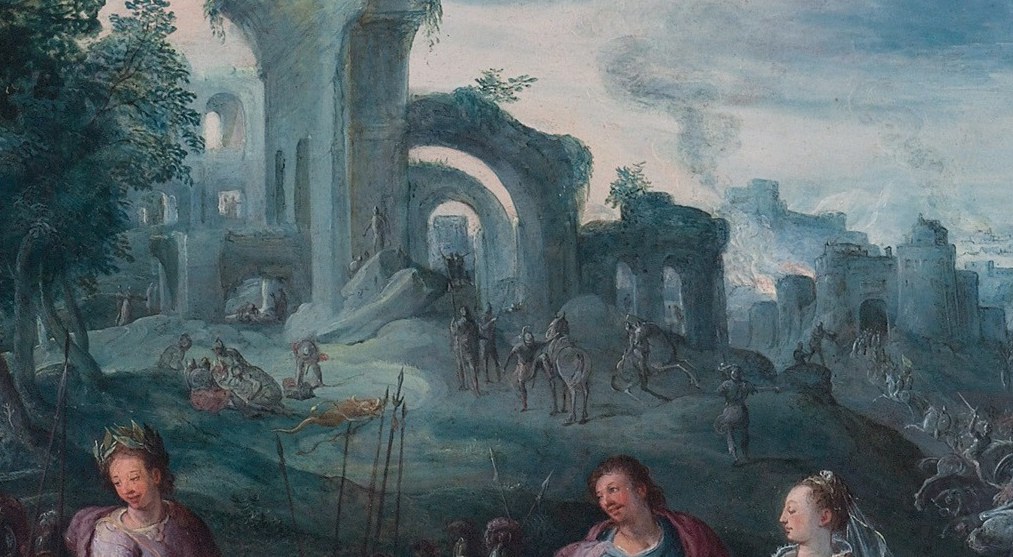
The painting shows the Roman general Scipio Africanus, after his victory at Carthage, refusing to take a beautiful captive woman for himself. Instead, in a powerful act of clemency, he returned her to her family.
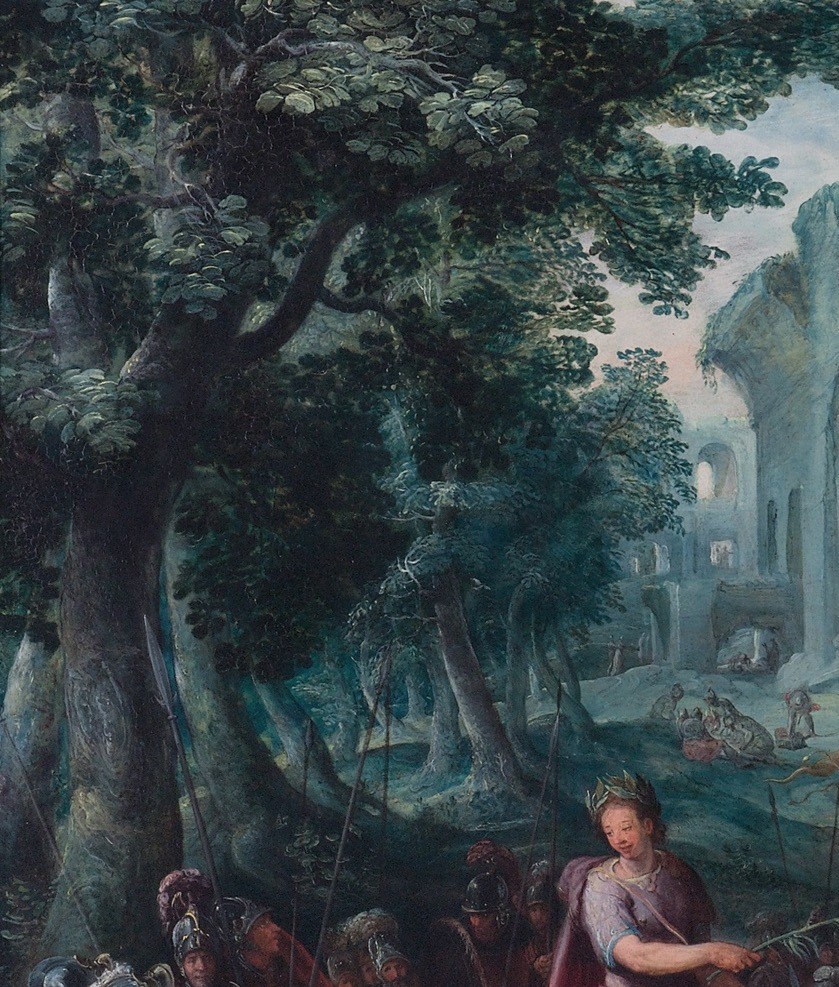
Van Mander, a Flemish-born artist who settled in the Dutch Republic, was a prominent figure in Northern Mannerism. This style is evident in the elongated figures, intricate costumes, and complex composition. The use of a copper support, common in the Dutch Golden Age, allowed for exceptionally fine detail and a luminous finish in the artwork. This small-scale work reflects the contemporary fascination with antiquity and moral ideals.
What do you find most striking about this depiction of an ancient tale?
Details
Transcript
This painting tells a classical tale of Roman virtue. The Roman general Scipio Africanus captured Carthage. After the battle, he was offered a captive woman. Scipio, showing great continence, returned her to her family. Painted on copper, the smooth surface allows fine detail. The artist, Karel van Mander, was a key Northern Mannerist.