Calanque des Antibois by Henri Edmond Cross
Henri Edmond Cross painted "Calanque des Antibois" in 1892, using a technique called pointillism that creates a stunning sense of light and texture. This oil on canvas, a quiet coastal scene, showcases his mastery of color.
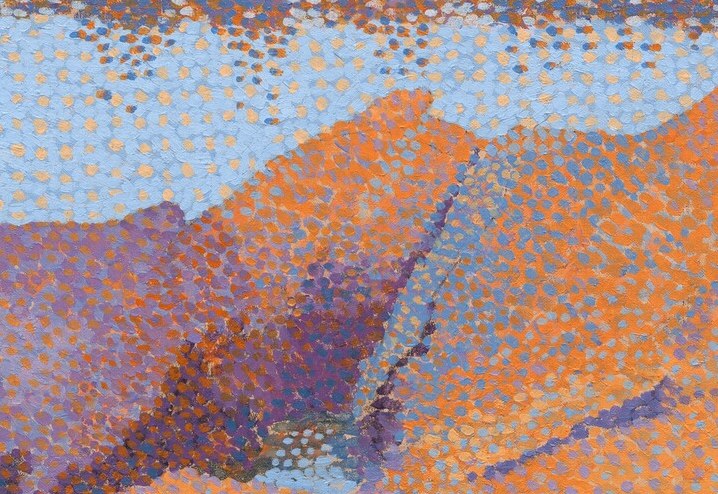
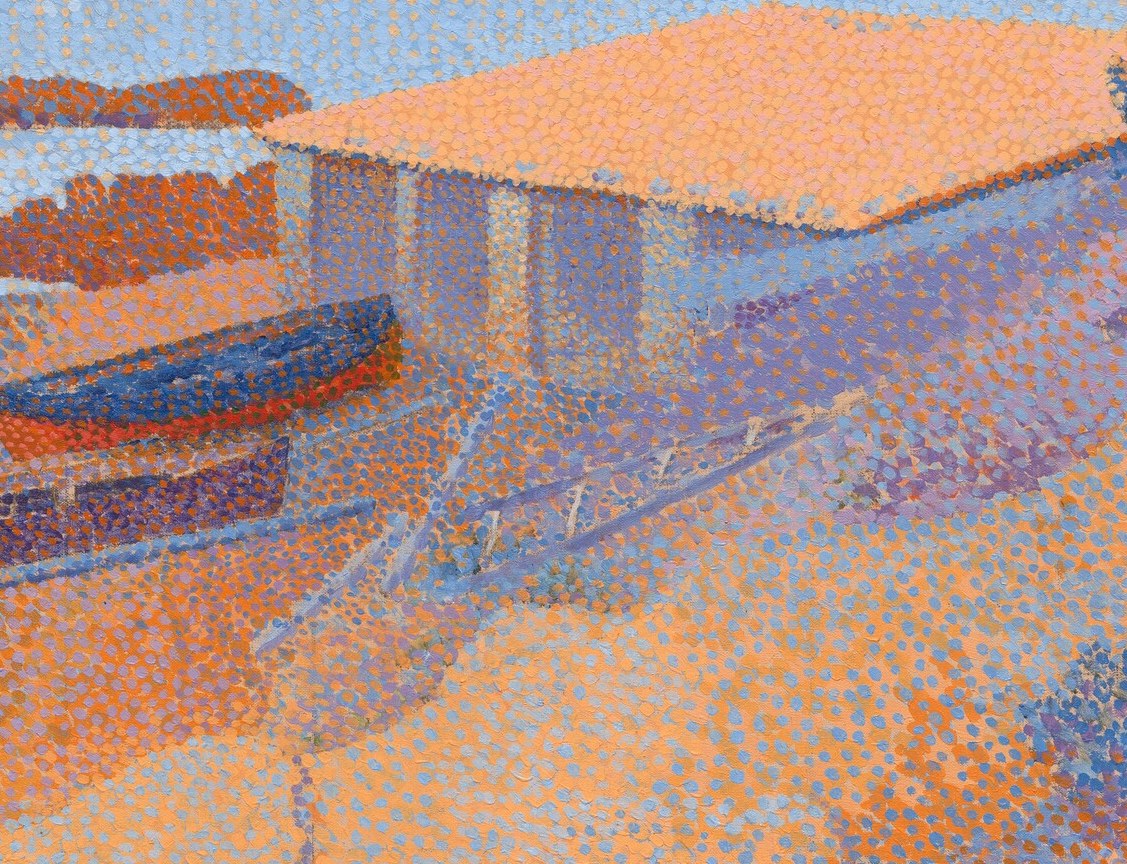
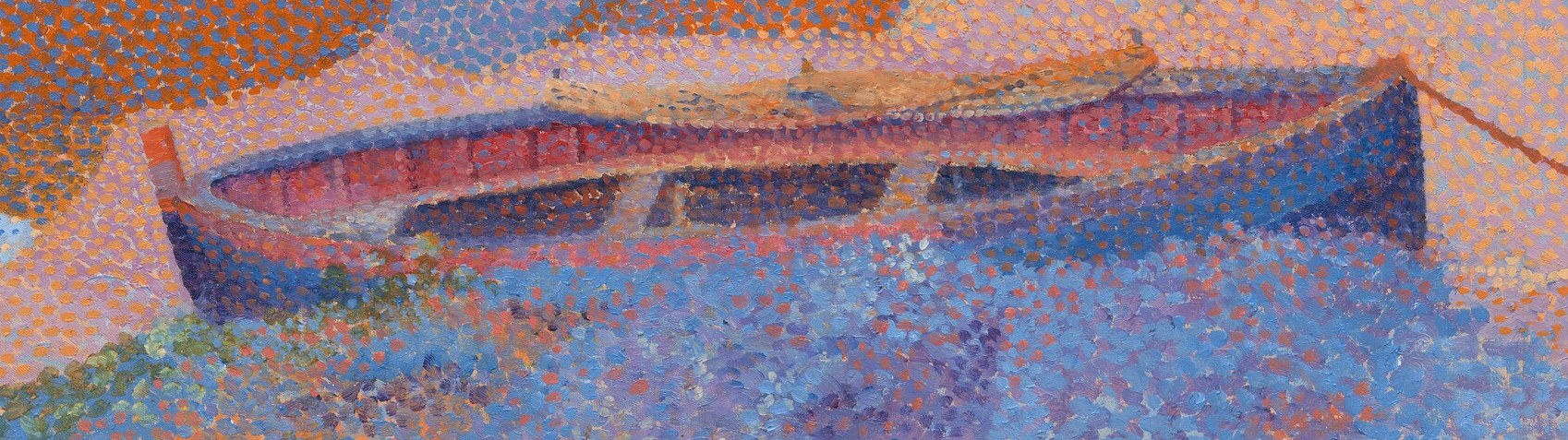
Look closely at the sky and the rocky shoreline; you'll see how the painting is built from countless small, distinct dots of color. Each dot is a deliberate stroke, unblended on the canvas, allowing the viewer's eye to mix the colors optically.
Cross was a master of Neo-Impressionism, and his innovative approach to color and light had a significant impact on later artists, including Henri Matisse and the Fauvists. This small, tranquil work reveals the meticulous and groundbreaking technique that shaped a new era of painting.
What do you see when you look at these vibrant, unblended colors?
Details

Transcript
This tranquil scene appears simple, but look closely. The painter built the sky from hundreds of tiny dots. This technique, called pointillism, creates luminous color. Every dot is a distinct stroke, not blended on the canvas. This allowed the painter to create vibrant, shimmering light. His work influenced Matisse and the Fauvists.