The Happy Family by Jan Steen
Jan Steen's 1668 painting, *The Happy Family*, now at the Rijksmuseum in Amsterdam, appears to depict a joyous family gathering. But like many of Steen's works, it carries a deeper message about human behavior.
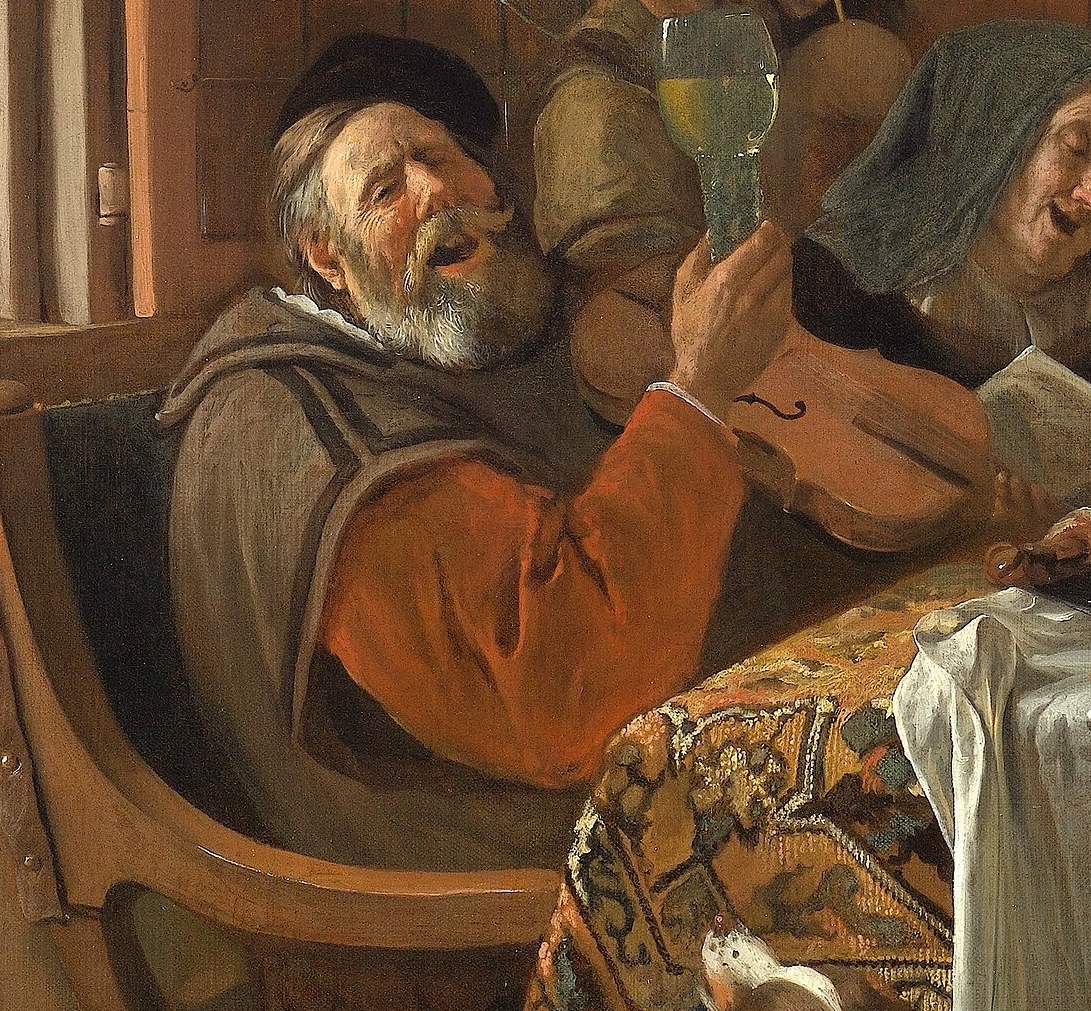
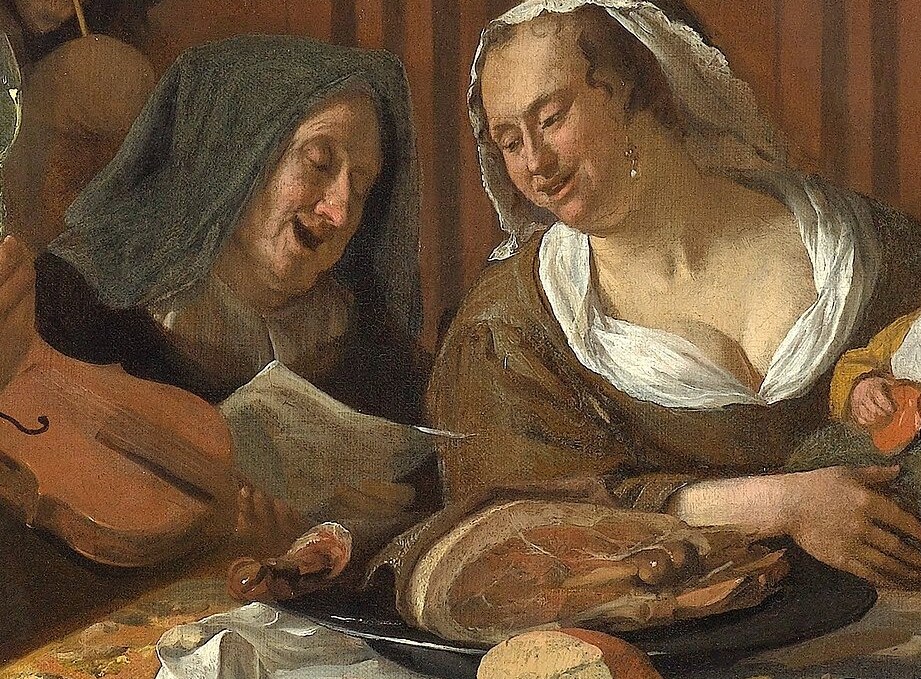
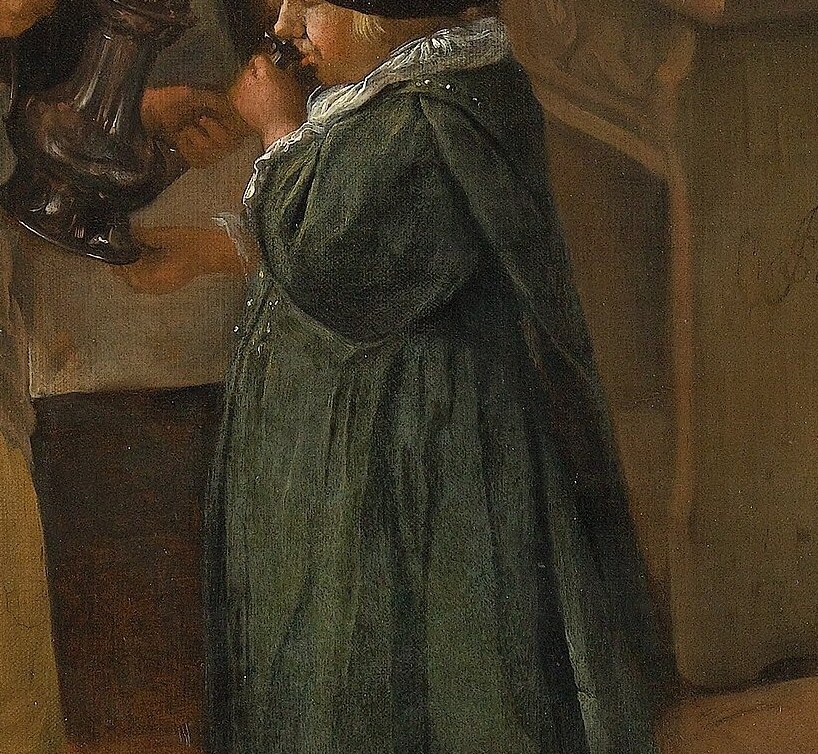
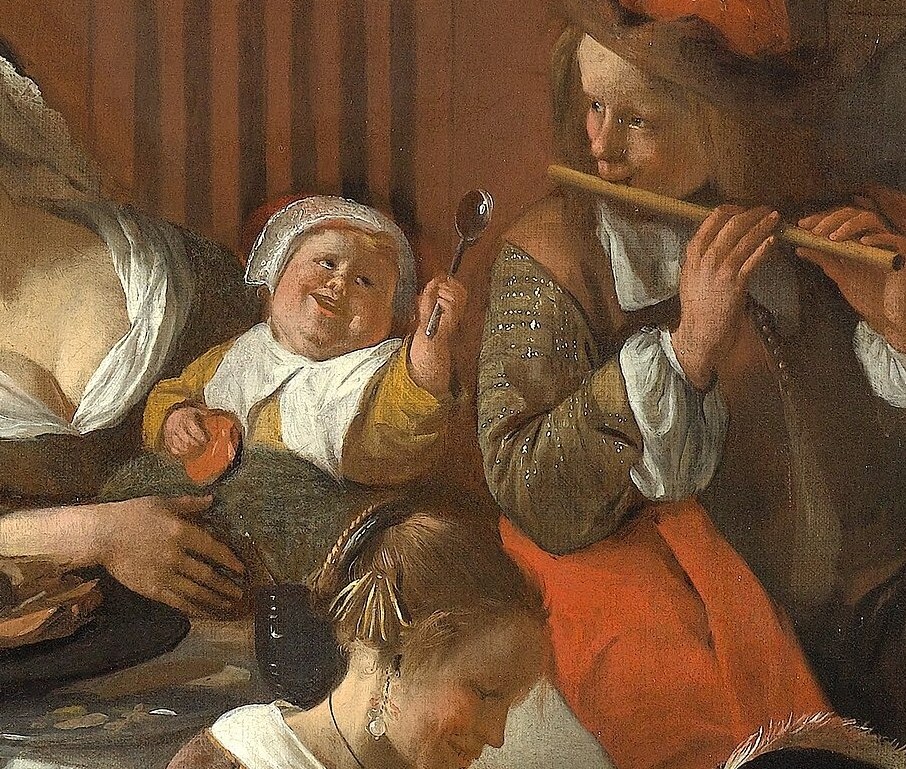
Look closely at the lively scene, with the singing father, the flute player, and the child with a tambourine. Even the family dog seems part of the merriment. Yet, a crucial detail on the mantelpiece reveals the artist's intent.
The note, which reads "So de ouden songen, so pijpen de jongen" (as the old sing, so pipe the young), serves as a clear moral. Steen suggests that children imitate the actions and attitudes of their parents, whether good or bad.
This work is a classic example of Dutch Golden Age genre painting, offering both entertainment and a subtle lesson. What do you think about the message Steen conveys?
Details
Transcript
This looks like a boisterous family party. The father sings loudly, glass in hand. Even the baby joins in the music-making. The painter was known for humor and moral lessons. A note on the wall holds the painting's meaning. It says, 'As the old sing, so pipe the young.' Children learn their behavior from their parents.