Slate, Pipe, Tobacco, and Box of Matches by McCallion, Peter
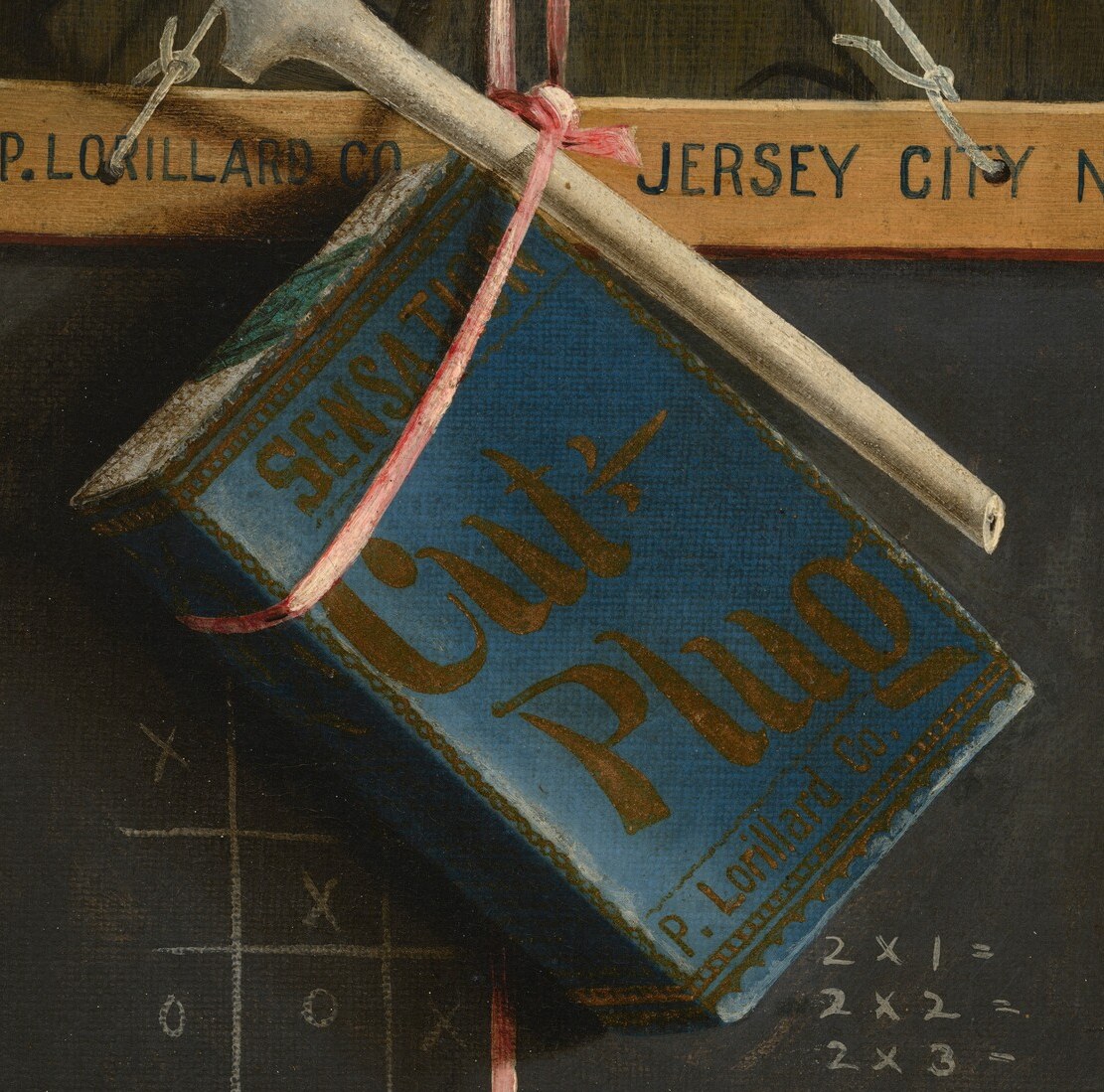
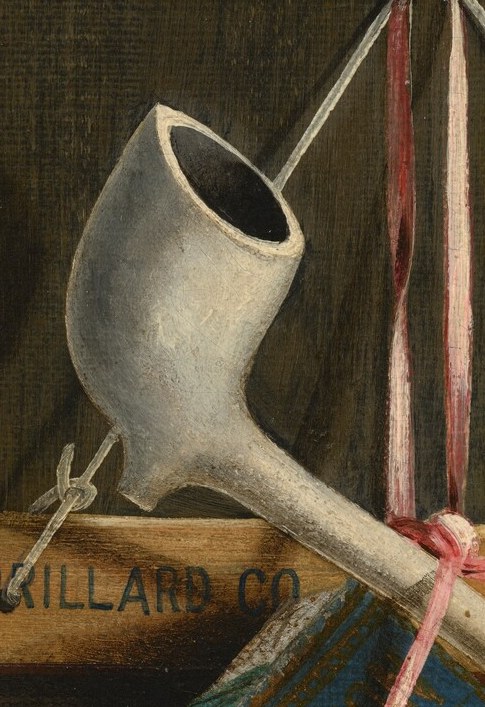
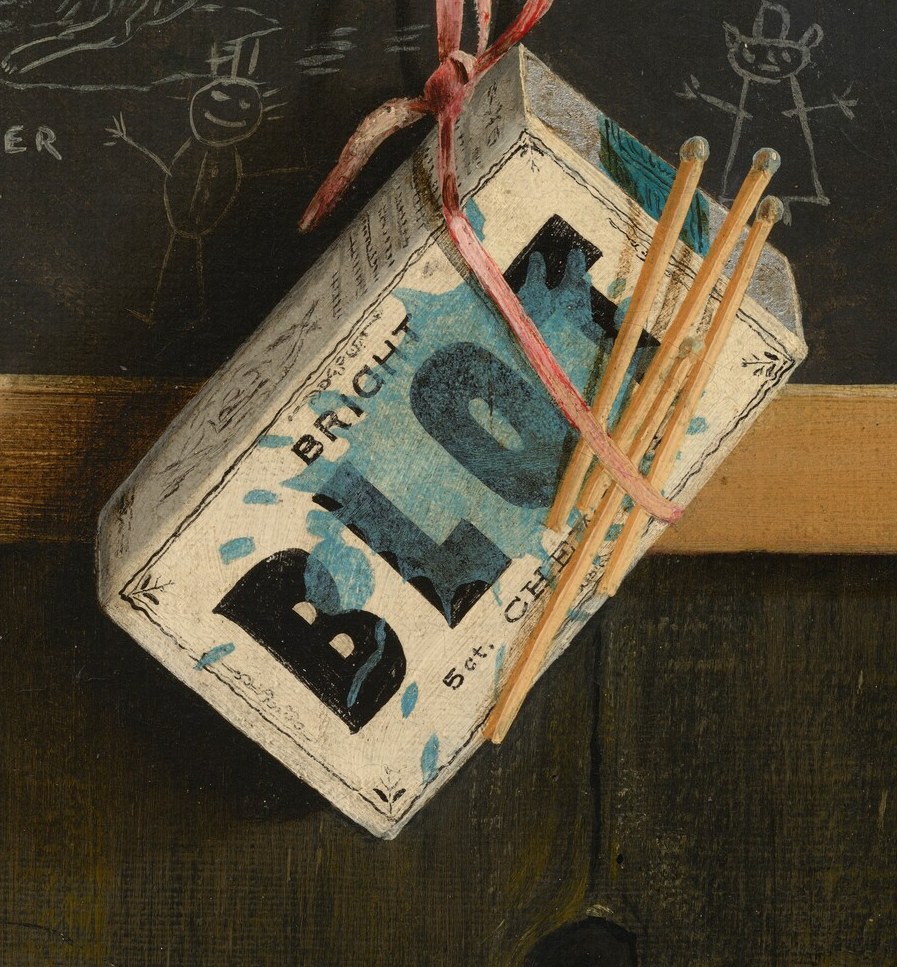
Peter McCallion's 'Slate, Pipe, Tobacco, and Box of Matches', painted around 1895, is a masterclass in realistic texture. This oil on canvas, currently in an unknown collection, makes you question if you could reach out and touch the objects.
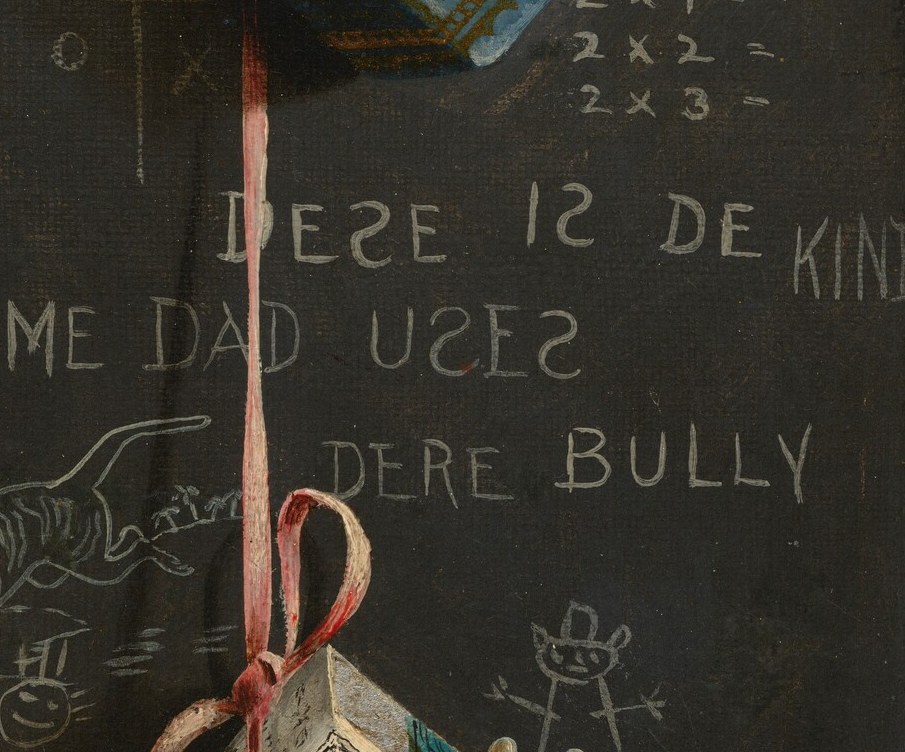
Look closely at the tobacco leaves and the slate. The artist used a technique called impasto, where paint is applied so thickly that it stands out from the canvas, creating a tangible surface quality. This gives the tobacco its rough, dry appearance and the slate its slightly uneven, chalk-dusted feel.
While many artists of his time focused on grander subjects, McCallion chose humble, everyday objects. This allowed him to explore the tactile qualities of ordinary life, elevating a simple still life into a detailed study of texture and illusion.
What other textures do you think would be fascinating to capture with impasto?
Details
Transcript
This painter turned ordinary objects into illusions. Look closely at the rough texture of these tobacco leaves. The artist used thick paint to mimic the dry, brittle leaves. Even the faint scrawls on the slate feel real to the touch. This is called impasto, paint applied so thickly it has texture. It makes you want to reach out and feel the surface.