Petronella Elias (1648–1667) with a Basket of Fruit by Ferdinand Bol
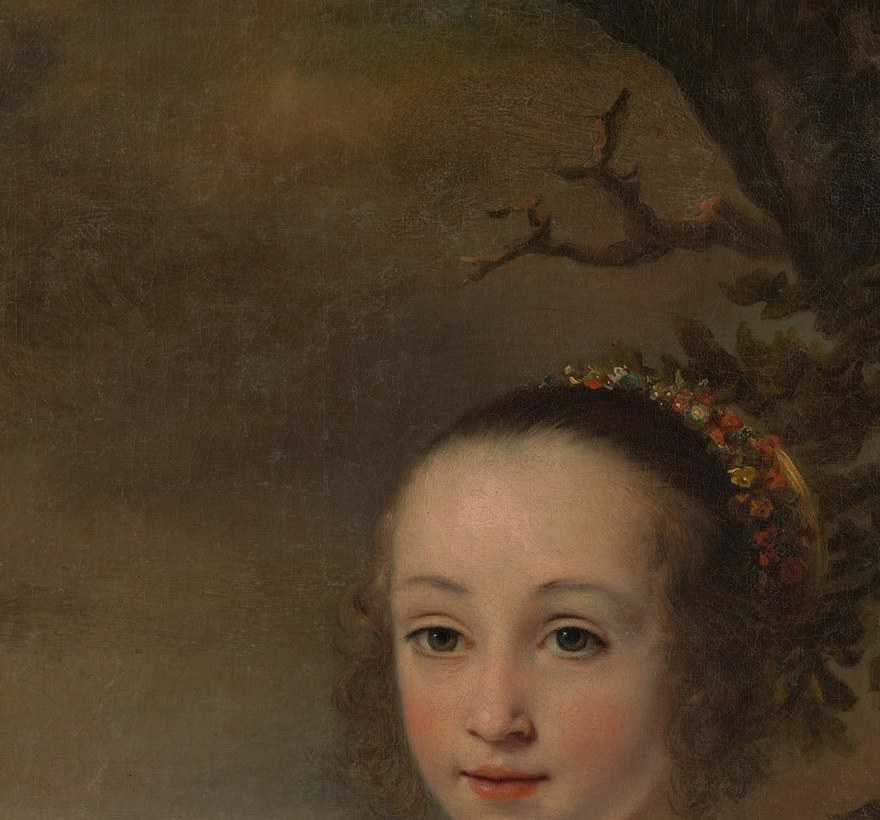
Ferdinand Bol's "Petronella Elias (1648-1667) with a Basket of Fruit" (1657) is a portrait of a nine-year-old Amsterdam girl. It is also a coded vanitas message disguised as a cheerful commission.
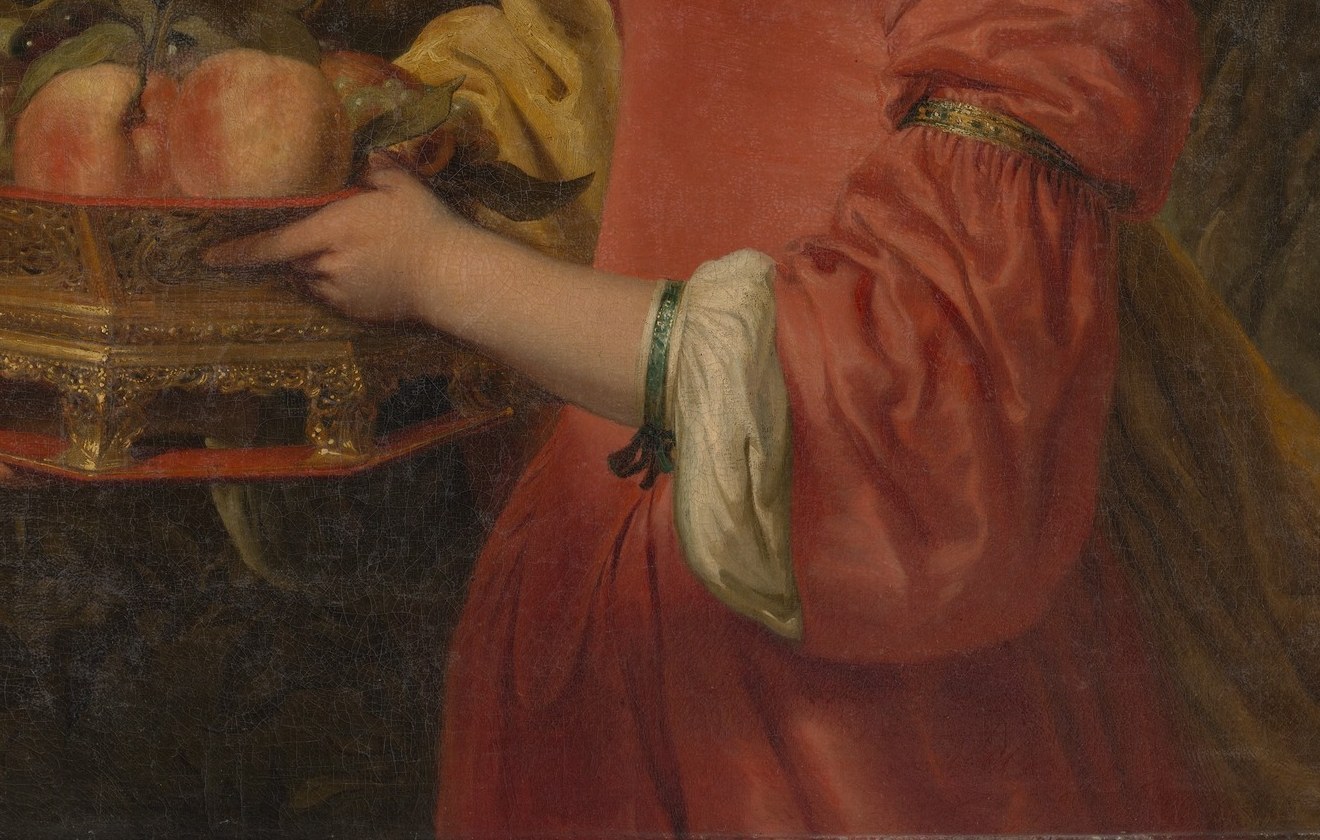
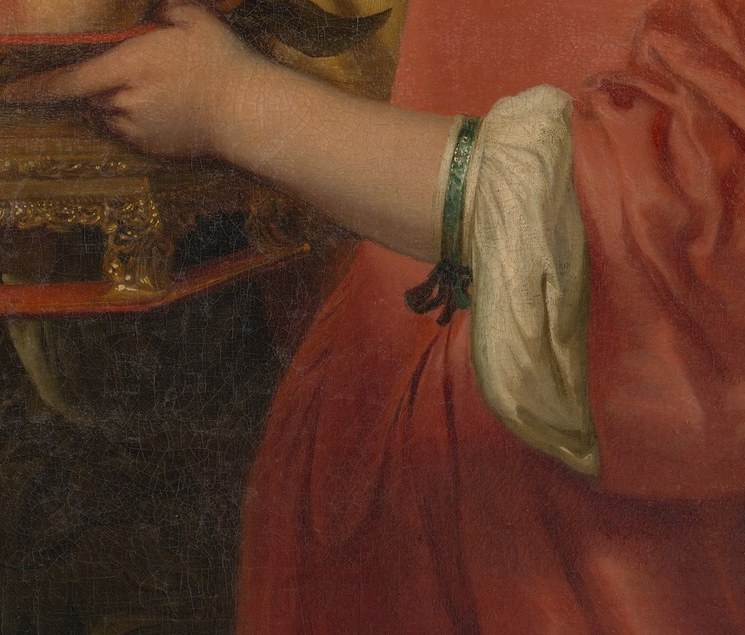
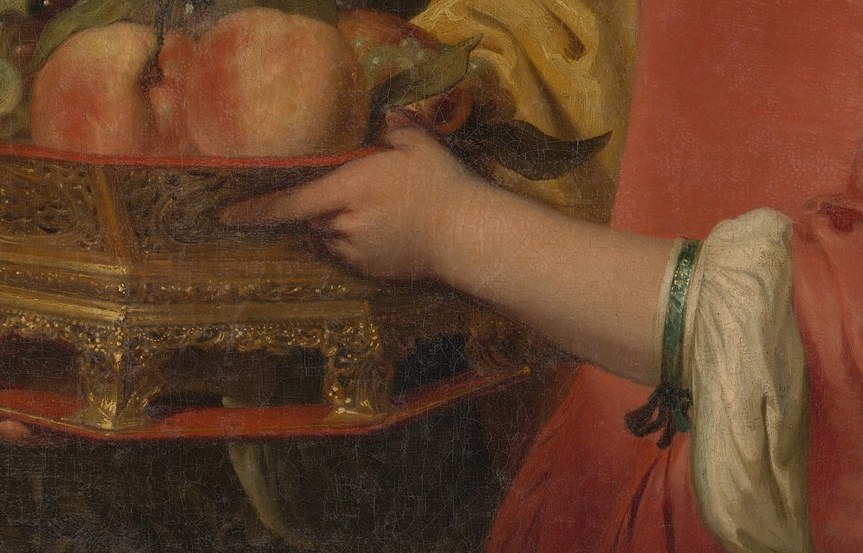
Look past the red silk dress and the direct, composed gaze. The basket in her hands overflows with specific symbols. Dark and pale grapes represent the wine of the Eucharist and Christ's sacrifice. The prominent round pale fruit, likely a peach or apple, carries the Edenic symbolism of the Fall of Man. Her open, offering hands frame these objects not as a child's treat, but as a moral lesson.
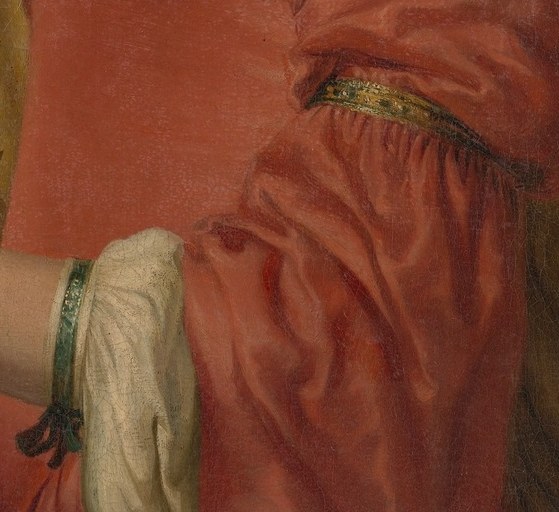
Ferdinand Bol was one of Rembrandt's most successful pupils in Amsterdam. In the Dutch Golden Age, wealthy merchant families commissioned portraits. Bol gave them what they wanted: a record of their status, seen in the lace collar, floral hair decoration, and deep crimson silk. But he also delivered what the culture demanded: a reminder that wealth, youth, and beauty are fleeting.
The painting hangs in The Metropolitan Museum of Art. Petronella gazes out with a steadiness that feels adult. She holds an overflowing basket of fruit that will rot. What does it feel like to be nine years old and already have your portrait encode the end of all things?
Details
Transcript
Amsterdam, 1657. A merchant's daughter holds a basket of fruit. Her name is Petronella Elias. She is nine. Look at what she's holding. It isn't just a pretty gift. The grapes, dark and pale, mean the wine of the Eucharist. The round pale fruit: the apple from Eden. A reminder of the Fall. Her open hands present it all as an offering, but also as a warning. The code adds up to vanitas: child or not, earthly abundance always ends.