Ann Old Coleman (Mrs. Robert Coleman) by Eichholtz, Jacob
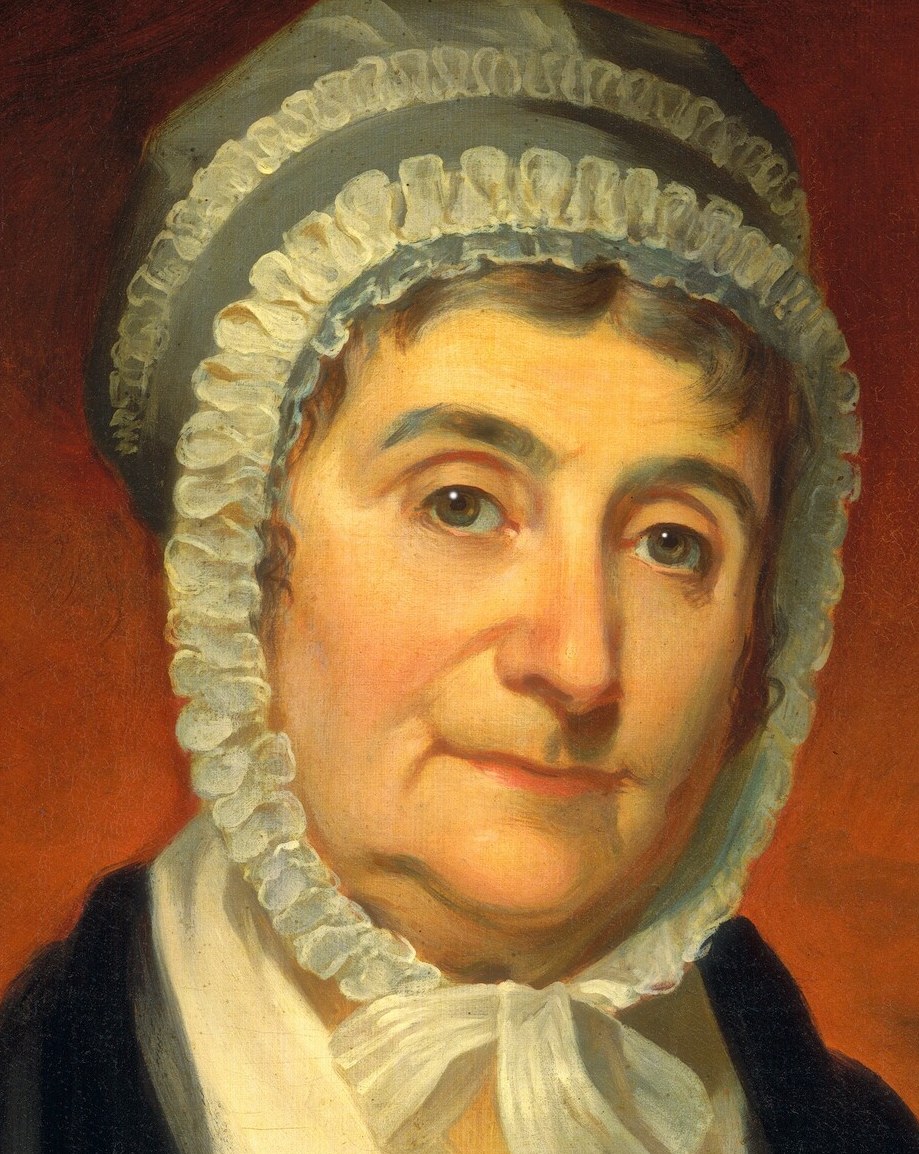
Jacob Eichholtz’s portrait of Ann Old Coleman (c. 1820) at the [Museum Name, if known, otherwise state 'a public institution'] subtly conveys the ideals of femininity and status in the early 19th century through her attire and accessories.
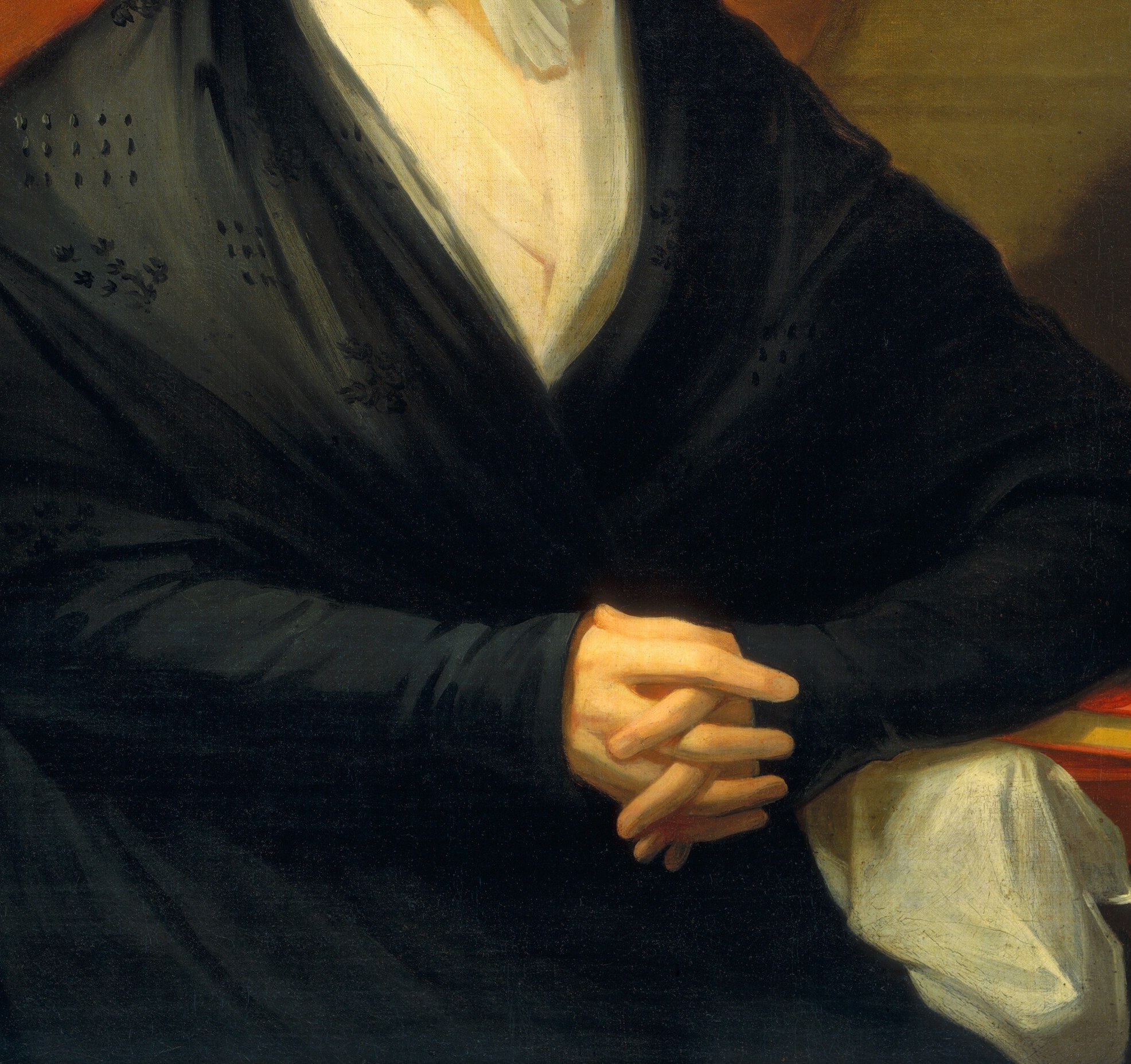
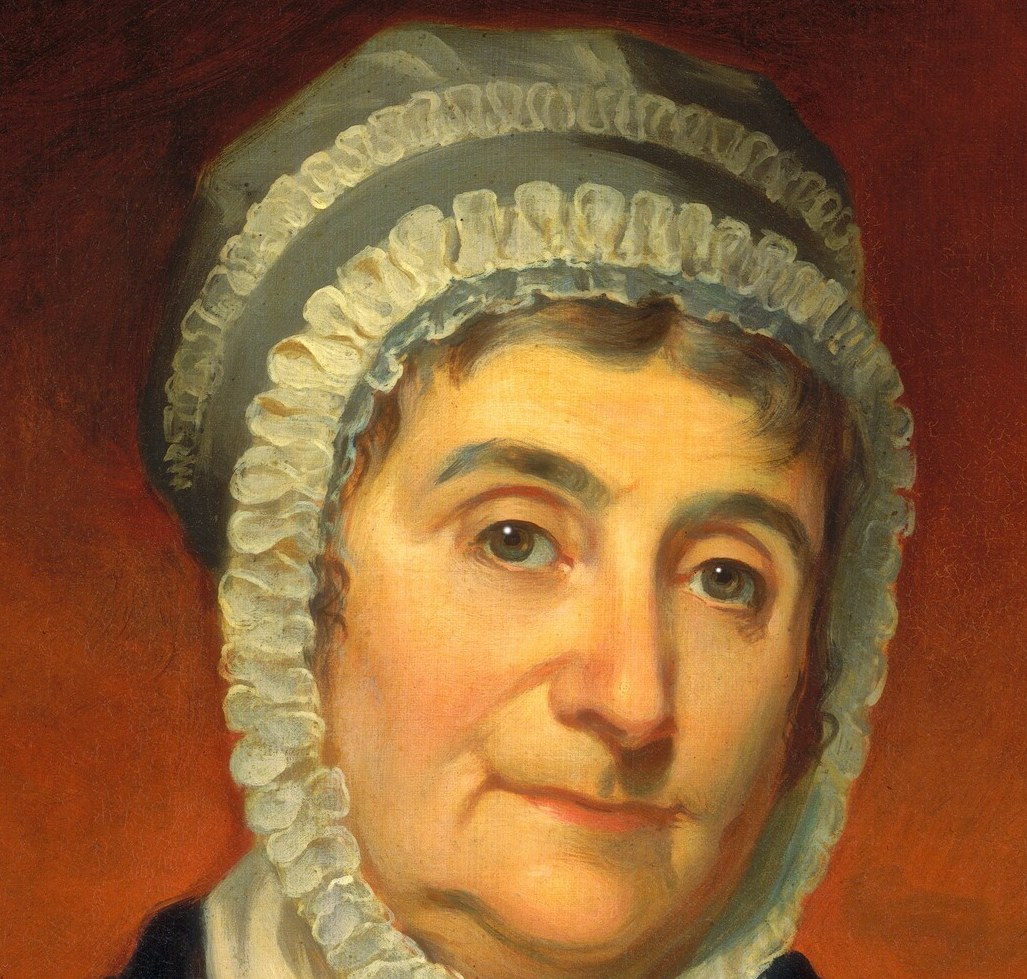
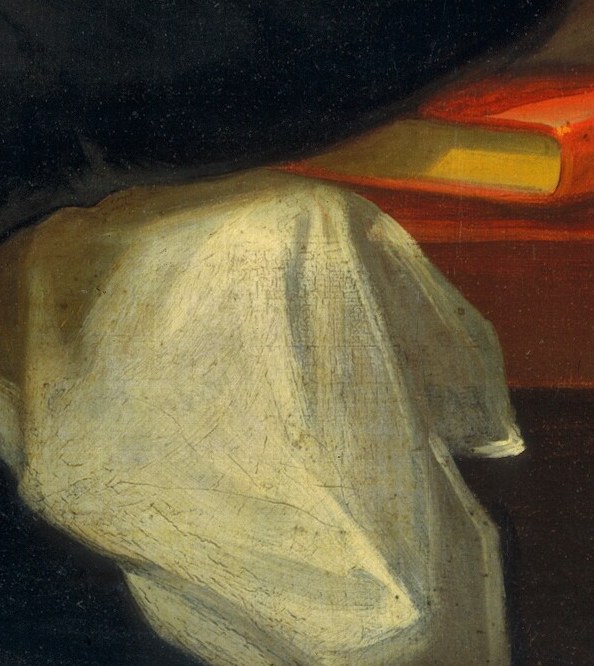
Her dark dress and composed posture reflect modesty and domestic virtue, while her ruffled bonnet showcases the fashion of the era. The crisp white cuff highlights her meticulousness, and the red-bound book suggests a woman of intellectual depth.
Originally oil on canvas, the painting was later transferred to wood for preservation. It remained in the Coleman family for much of the 19th century and now offers a glimpse into early American portraiture.
What details do you notice that speak to her character?
Details
Transcript
This portrait from 1820 captures a woman of her time. Her plain, dark dress speaks of modesty and virtue. Her ruffled bonnet, the height of early 19th-century fashion. Her white linen cuff shows meticulous attention to detail. And this book suggests her intellectual pursuits. She is Ann Old Coleman, a woman of composure and status.