The Streetwalker by Henri de Toulouse-Lautrec (French, 1864–1901)
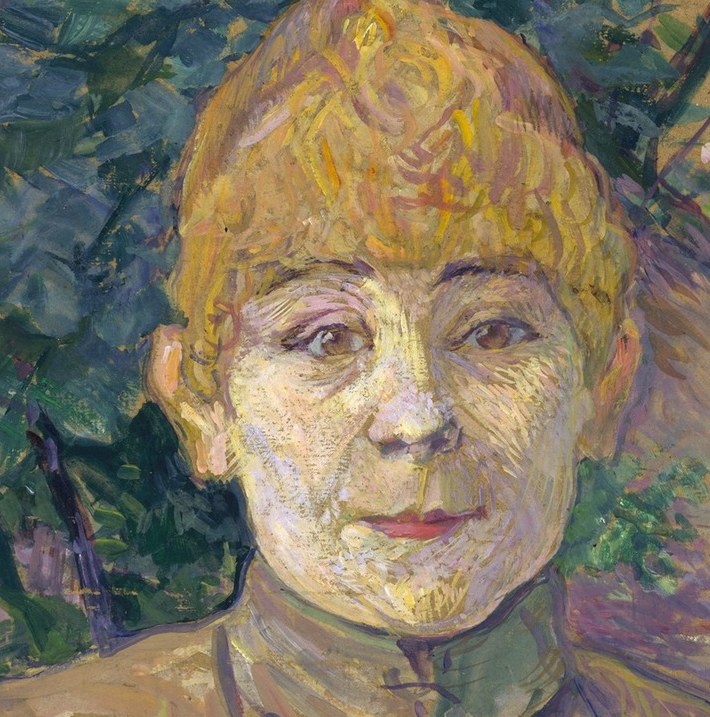
Henri de Toulouse-Lautrec's "The Streetwalker" (1896) offers a poignant glimpse into Parisian life at the close of the 19th century. The artist, himself navigating societal perceptions due to his physical stature, was drawn to depicting those on the margins. This painting captures a solitary woman, her expression a complex blend of resignation and defiance, inviting us to consider her story.
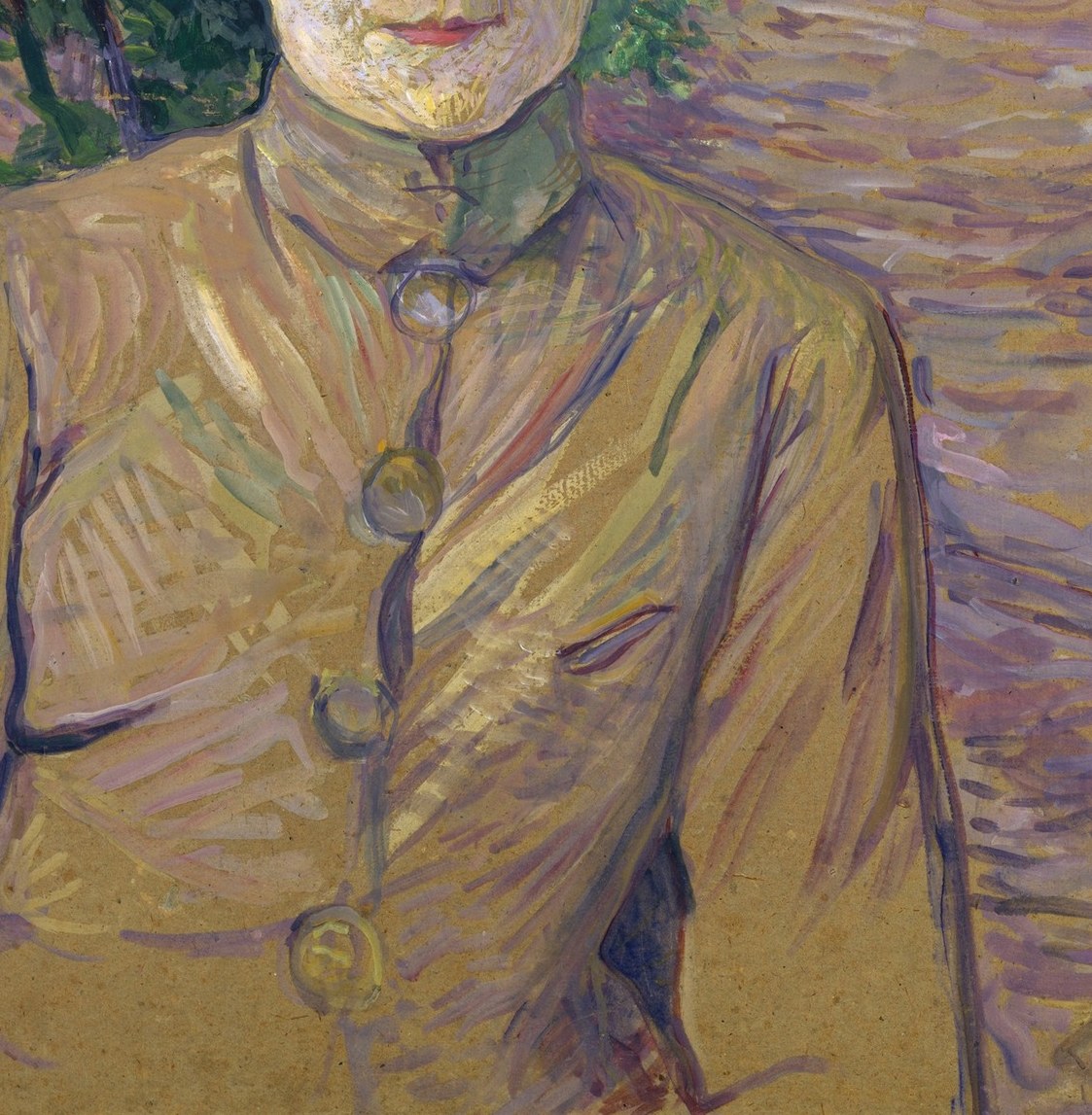
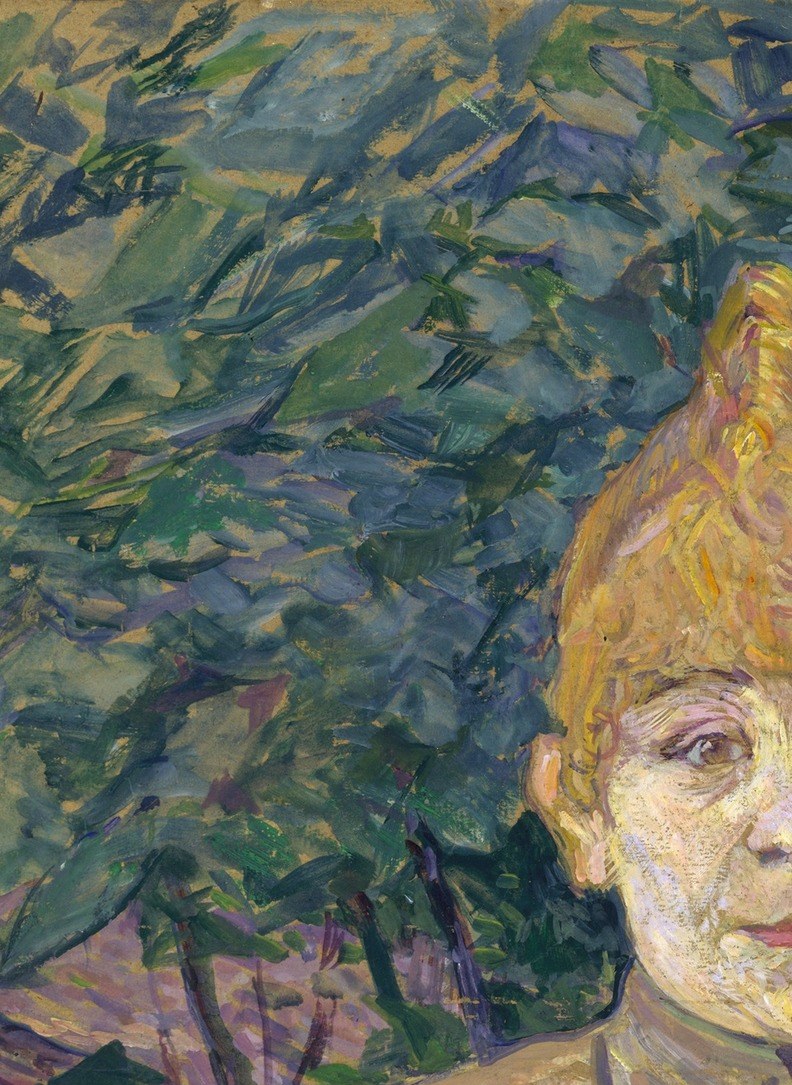
Look closely at the woman's face and eyes, which seem to engage the viewer with an intimate, direct gaze. Her utilitarian coat, with its visible buttons, speaks to her profession and social standing, contrasting with the dark, almost oppressive background foliage that seems to envelop her.
Toulouse-Lautrec was a keen observer of Paris's vibrant yet often overlooked populations, from cabarets to brothels. His ability to portray these figures with dignity and honesty, rather than judgment, makes his work so compelling. He painted this woman as an eyewitness to the realities of street life.
This piece is a powerful reminder of the human stories often hidden within the urban landscape, rendered with Toulouse-Lautrec's distinctive, textured style.
Details
Transcript
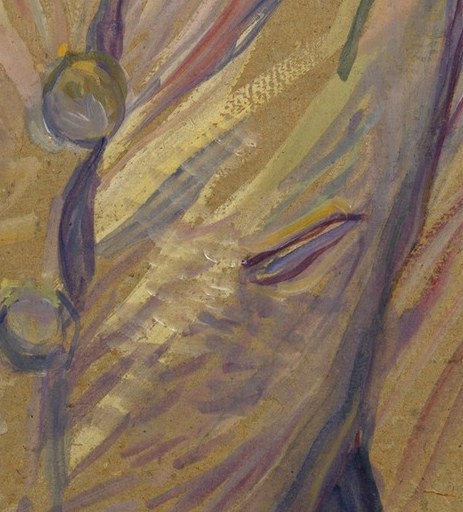
Paris, 1896. A solitary woman stands by the street. Her face shows a weariness, a quiet defiance. The painter focused on her direct, intimate gaze. Her utilitarian coat hints at her profession. Toulouse-Lautrec knew this city's marginalized figures. He captured the shadows on her coat. The dark greenery seems to swallow her. He painted her as an eyewitness to this life.