Wide River Landscape by Philips Koninck
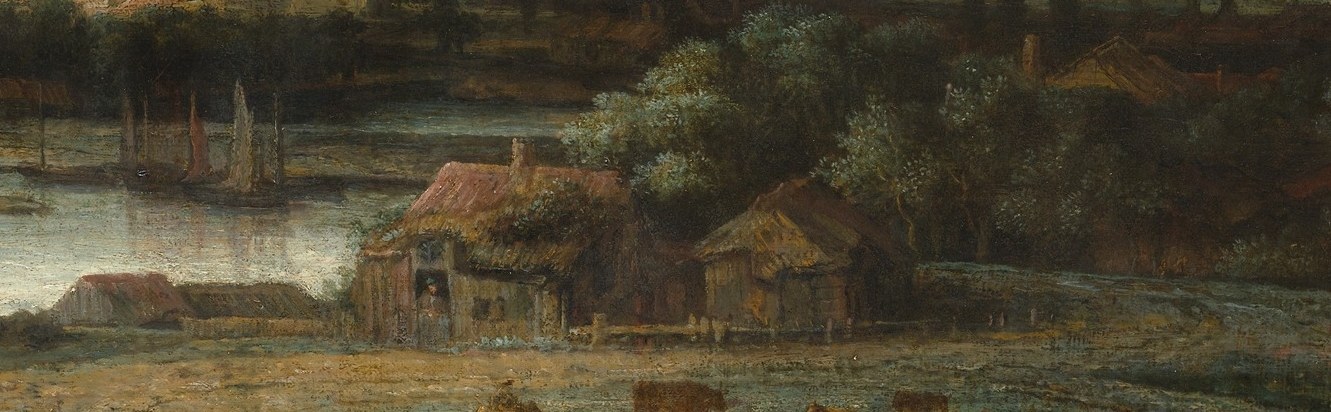
Philips Koninck’s *Wide River Landscape*, painted in 1648, is a masterclass in atmospheric painting from the Dutch Golden Age. Held at The Metropolitan Museum of Art, it showcases Koninck’s signature panoramic style.
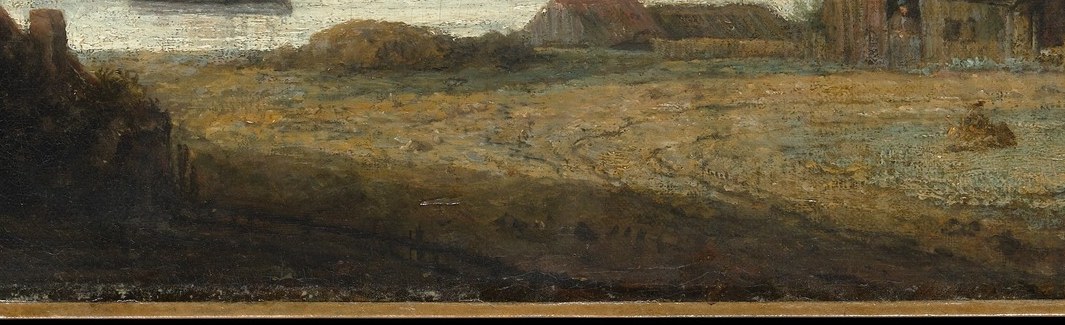
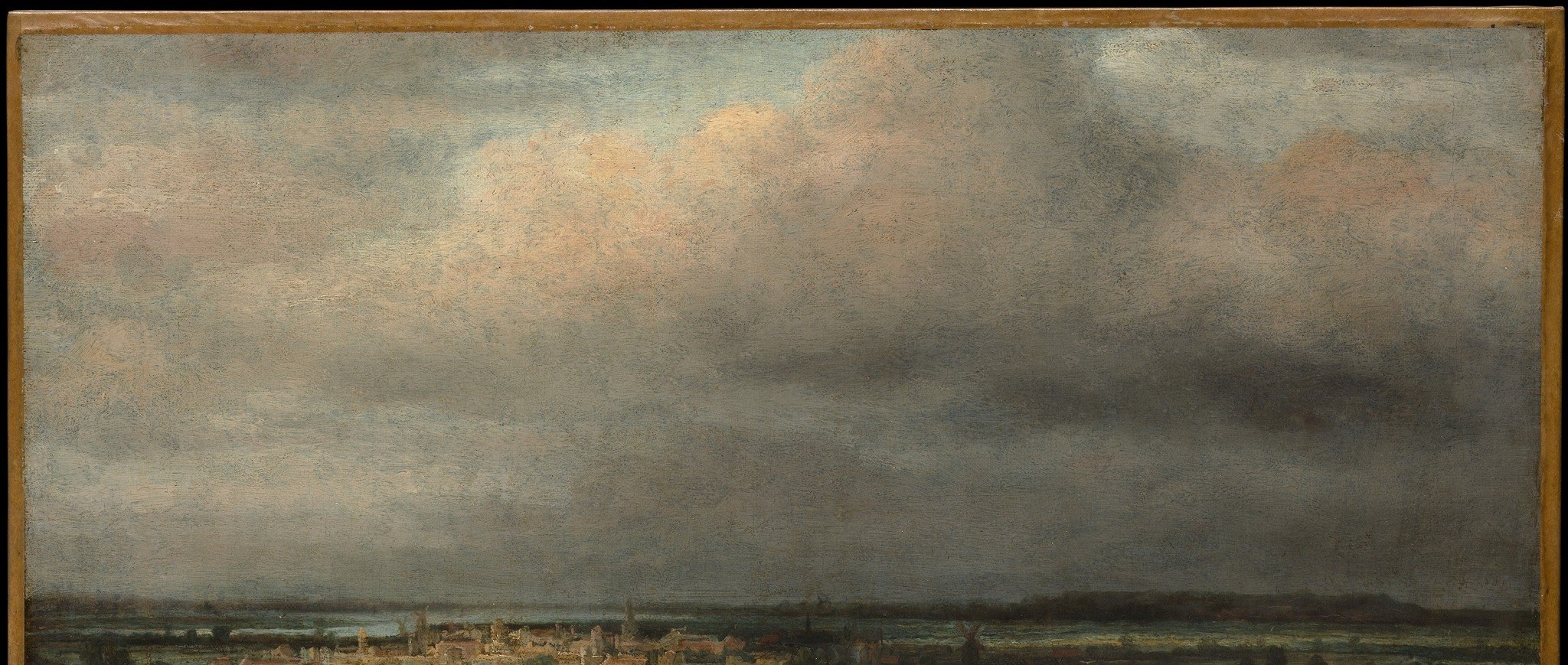
Observe how the painting is almost evenly split between the expansive earth and the dramatic sky. The foreground's patchy grassland reveals a rich, visible texture, but the true feat of this work lies above.
Koninck was known for his panoramic landscapes, a style he developed after training with his brother Jacob and later associating with Rembrandt's studio. He created these vast skies by layering narrow ribbons of light and shadow, a technique evident in this painting’s cloudy expanse. This approach created a sense of immense depth and a lively, ever-changing atmosphere.
What details in the sky first caught your eye?
Details
Transcript
This painter specialized in wide, panoramic views. He divided his canvases between earth and sky. Notice the intense texture of this patchy grassland. But the real trick is the sky, half the painting. He layered narrow bands of darkness and light with his brush. The effect is a vast, dramatic, living atmosphere.