Witches' sabbath by Claes Jacobsz van der Heck
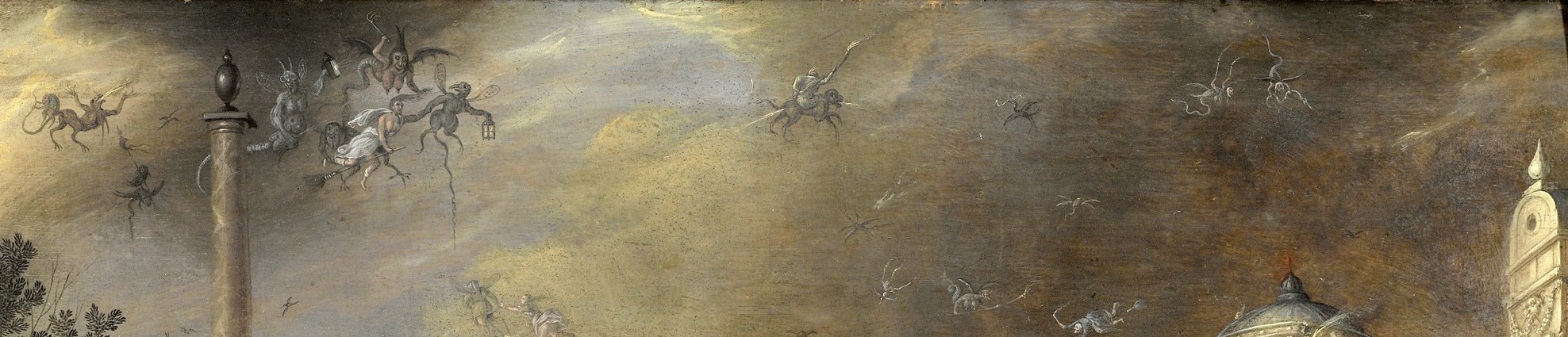
Witches' Sabbath by Claes Jacobsz van der Heck, painted in 1636, hangs in the Rijksmuseum in Amsterdam. It is a catalogue of what the Dutch Golden Age feared: a witches' sabbath rendered not as fantasy but as moral warning.
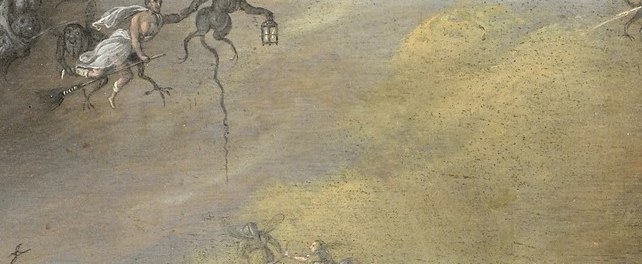
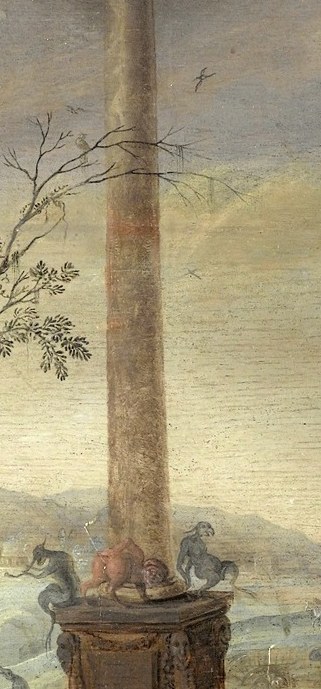
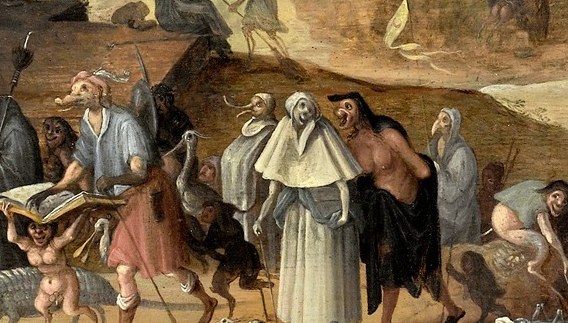
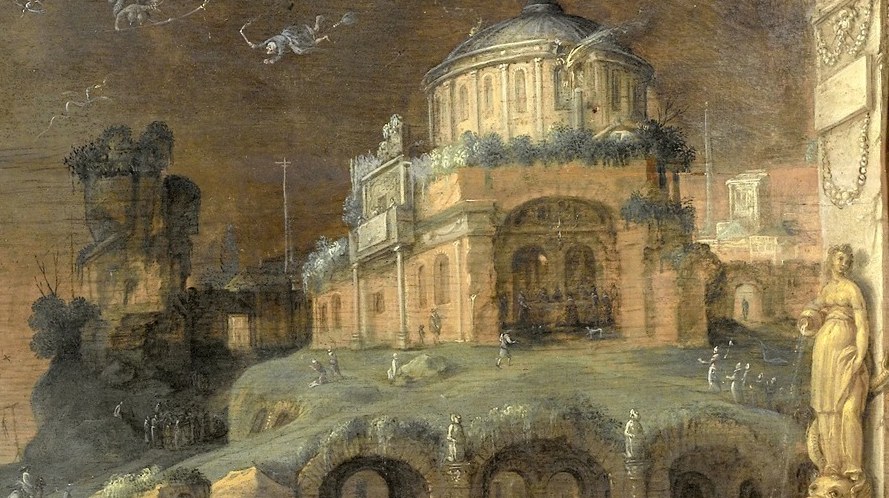
Look for the skull-topped column at the center, lit from within by stark chiaroscuro. Robed figures mock religious orders. Witches ride broomsticks through a stormy sky. A figure reads from an open book. Every detail was chosen to alarm a 17th-century viewer.
During the Dutch Golden Age, artists often explored moralizing themes through allegorical scenes of witchcraft and ruin, reflecting real anxieties about superstition and disorder. Van der Heck, born around 1575 in Alkmaar, spent his entire career there and painted this work late in his life, around age sixty-one.
The painting survives as a window into what once genuinely frightened a society. What would a viewer in 1636 have felt, standing before it?
Details
Transcript
In 1636, this was painted as a moral warning. Witches ride broomsticks through a stormy sky. Below: a column topped with a human skull. Robed figures. A mockery of holy orders. He lit the column from within. Pure chiaroscuro.