Sir Peter Paul Rubens (1577–1640) by http://www.wikidata.org/.well-known/genid/3244b9e9de2b24cd8e3ed157c577bbf5
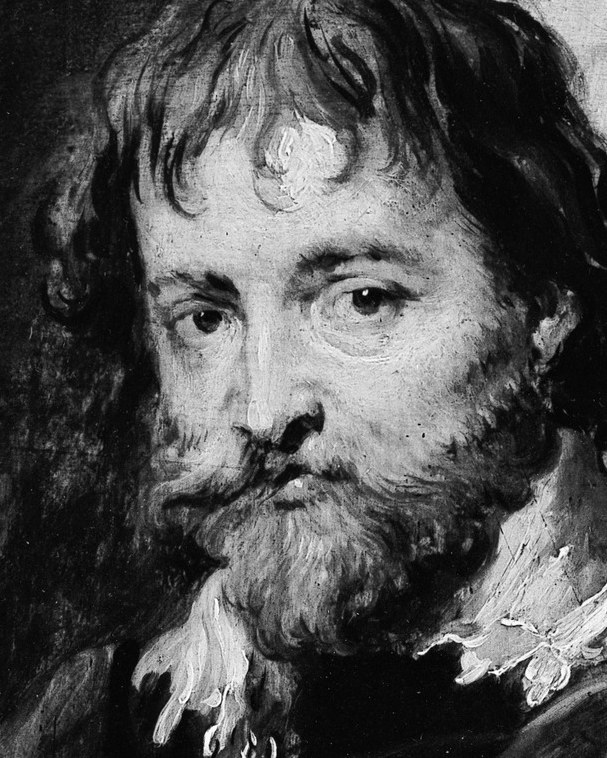
This striking portrait of Sir Peter Paul Rubens was painted in 1649, nine years after the renowned artist's death. It captures a profound and dignified presence, inviting viewers into a silent dialogue with one of history's most celebrated painters.
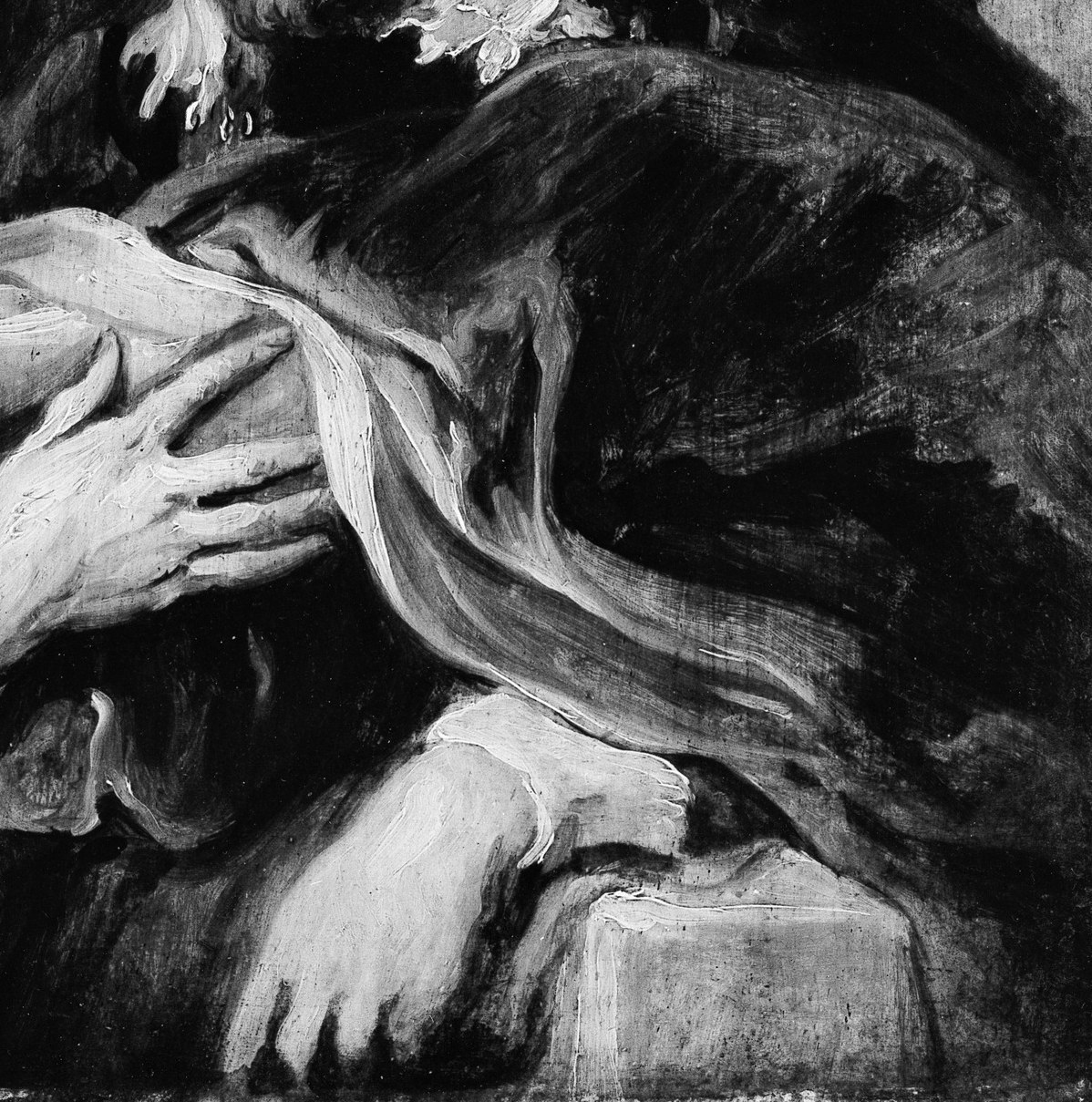
The artist used strong chiaroscuro to model the face and fabrics, especially evident in the subtle light on his forehead and the texture of his white collar. His intense gaze and the quiet composure of his folded hands convey a sense of introspection and lasting legacy.
While Rubens died in 1640, the creation of this portrait years later suggests its importance as a commemorative work. It likely served to honor his memory and influence, a common practice in the 17th century among European elites.
It is a quiet tribute, capturing not just a likeness, but the enduring spirit of a master.
Details
Transcript
This man looks out with a profound gaze. His eyes, intense and direct, draw you in. Notice the subtle light on his forehead, highlighting his presence. He was Sir Peter Paul Rubens, painted posthumously. Rubens, the artist, had died in 1640. This portrait was painted nine years after his death.