Crucifixion Triptych by Rogier van der Weyden
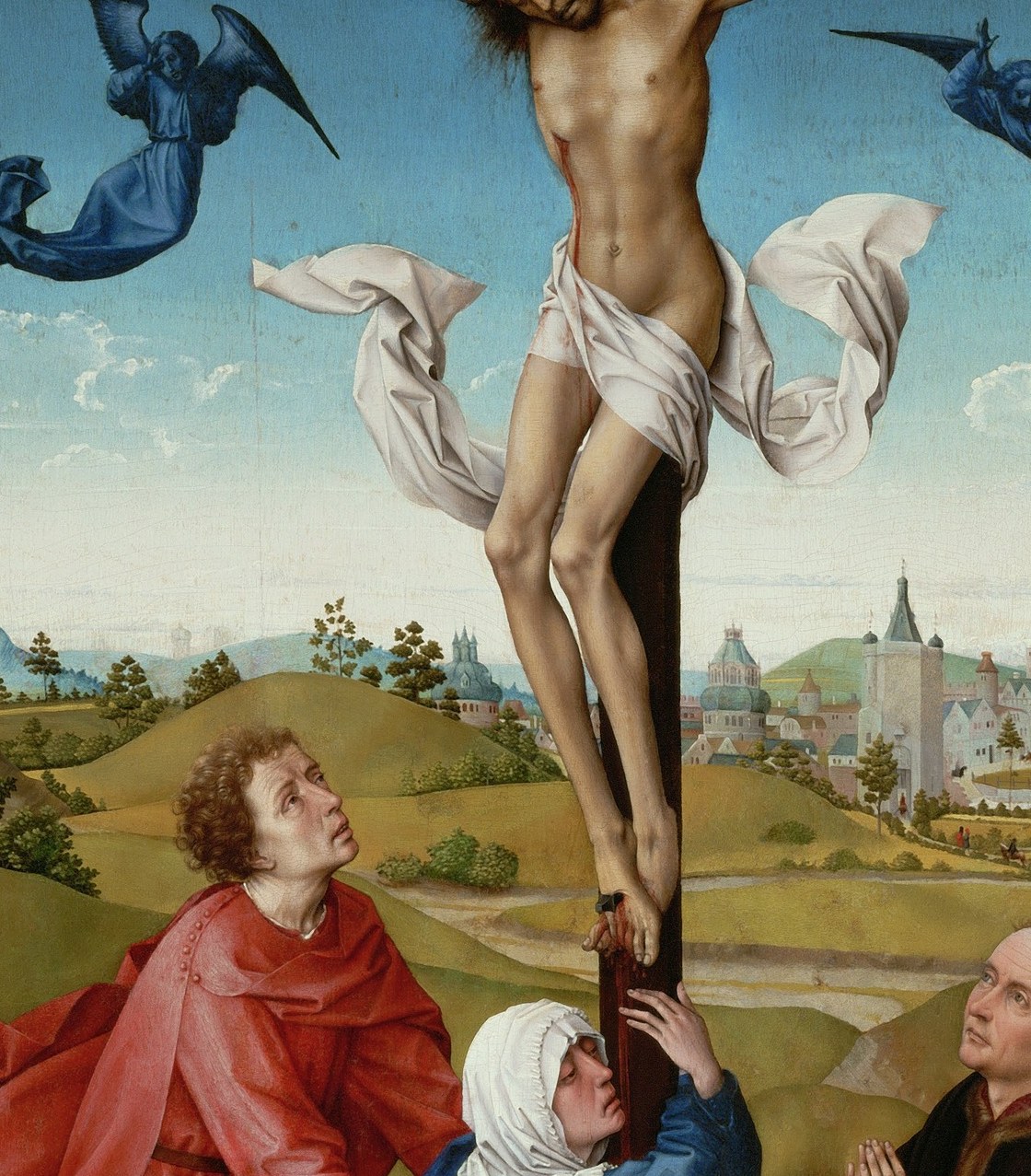
Rogier van der Weyden was once the most influential painter in Northern Europe, yet his work, including the stunning *Crucifixion Triptych* (c. 1443-1445), was largely forgotten for centuries. Today, it is a centerpiece at the Kunsthistorisches Museum in Vienna.
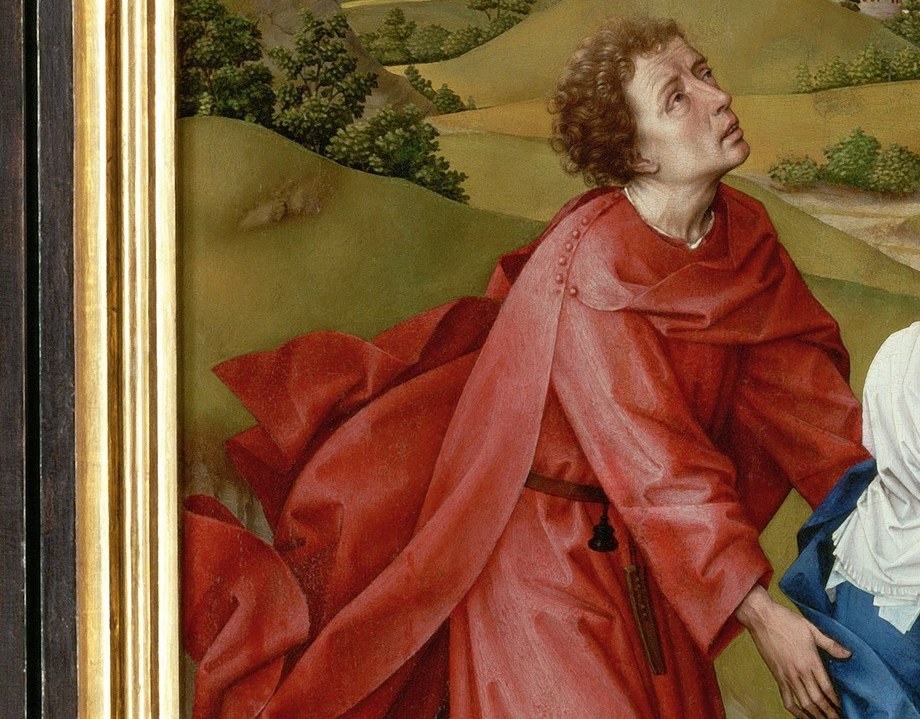
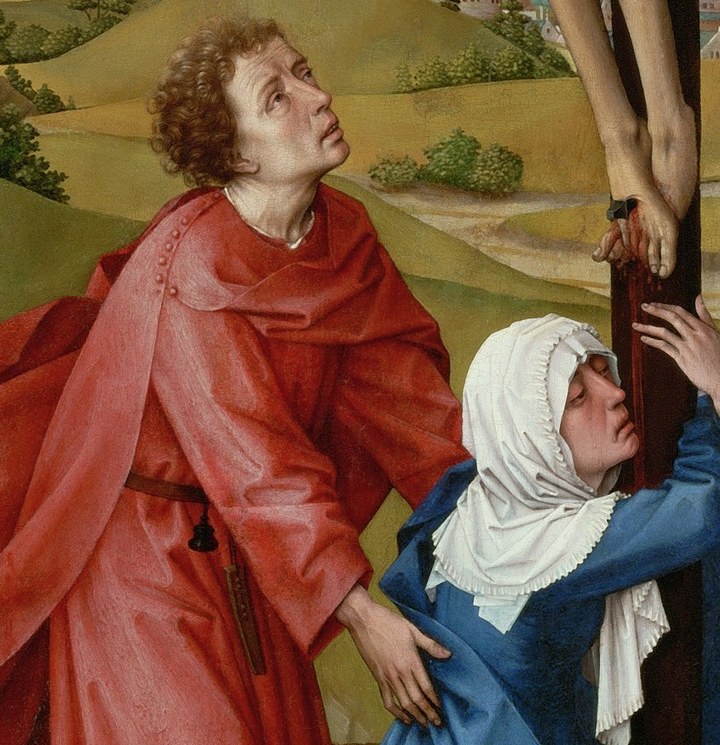
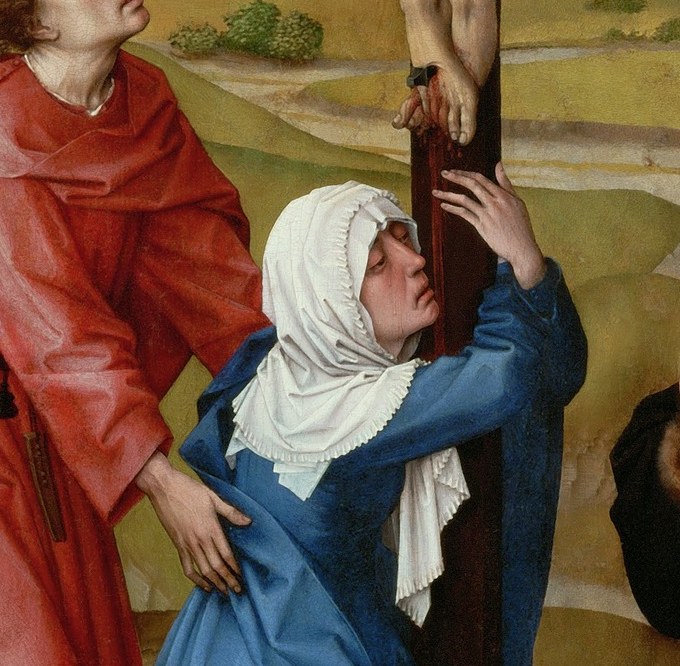
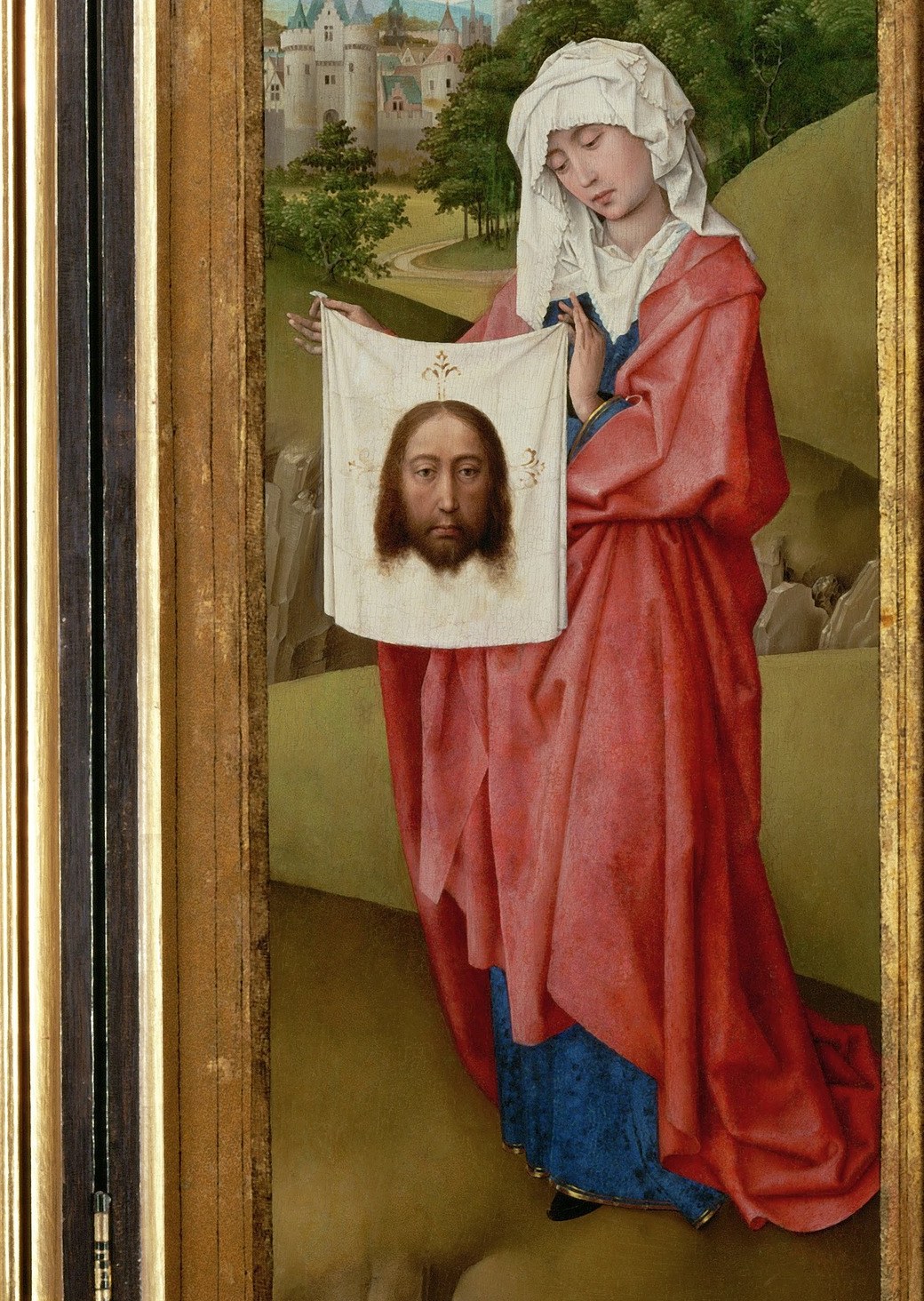
This altarpiece is a powerful example of early Netherlandish painting, showcasing van der Weyden's meticulous detail and emotional depth. Notice the profound grief depicted in the Virgin Mary at the foot of the cross, and the serene piety of the donor figures.
Van der Weyden's paintings, executed in oil, were highly sought after by nobility and aristocrats across Europe during his lifetime. Despite his significant impact, changing tastes led to his obscurity by the mid-18th century. His reputation was only slowly rebuilt over the next 200 years.
It's fascinating to consider how the tides of artistic recognition can ebb and flow through history, isn't it?
Details
Transcript
This triptych was painted around 1445. The painter was Rogier van der Weyden, a master of detail. His art was famous across Europe in his lifetime. Look closely at the anguish in Mary's face. He was considered the most influential Northern painter of his century. But his fame was almost totally forgotten for centuries.